

Last updated September 10, 2026
Level 1 sweep and inspection to the NFPA 211 annual standard - flue, crown, cap, and flashing checked and photographed
Chimney sweep logs do not sweep chimneys. They loosen some creosote - which then falls where a brush and vacuum still have to collect it.
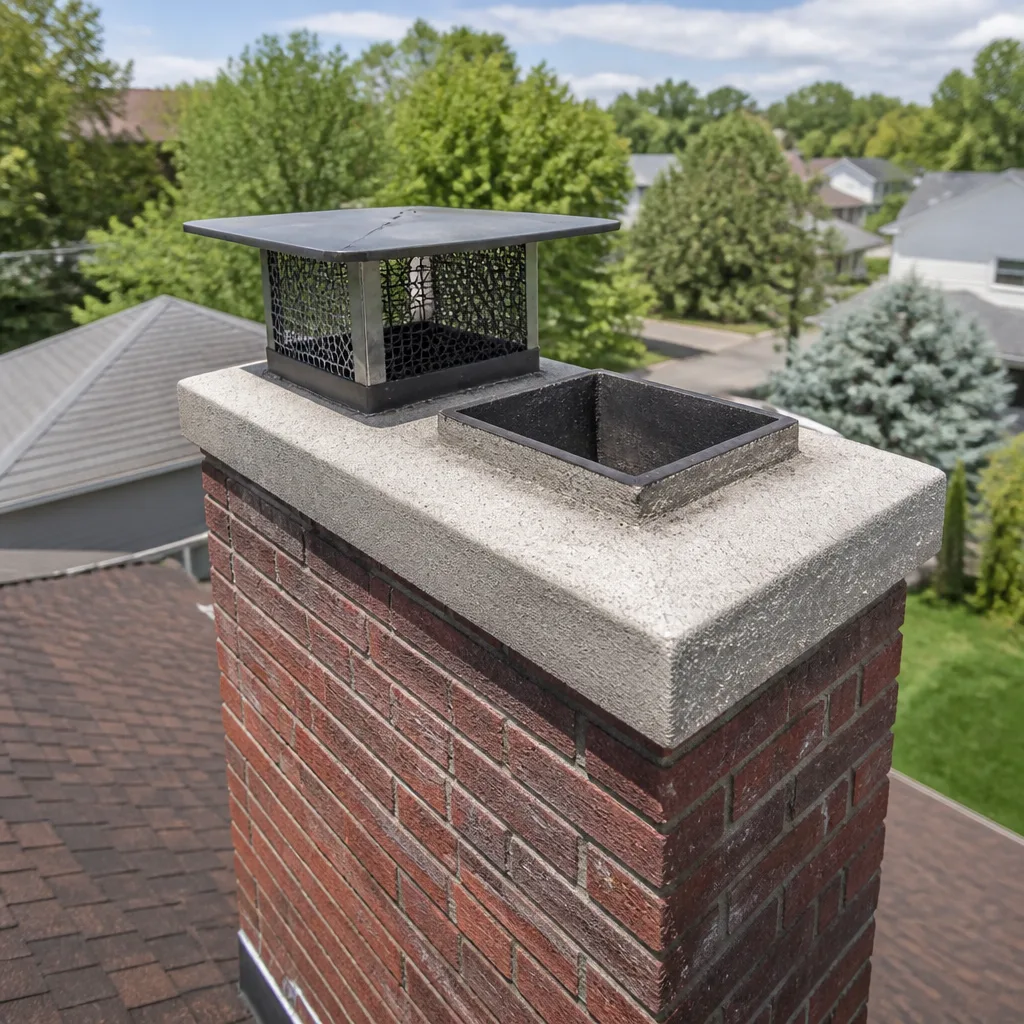
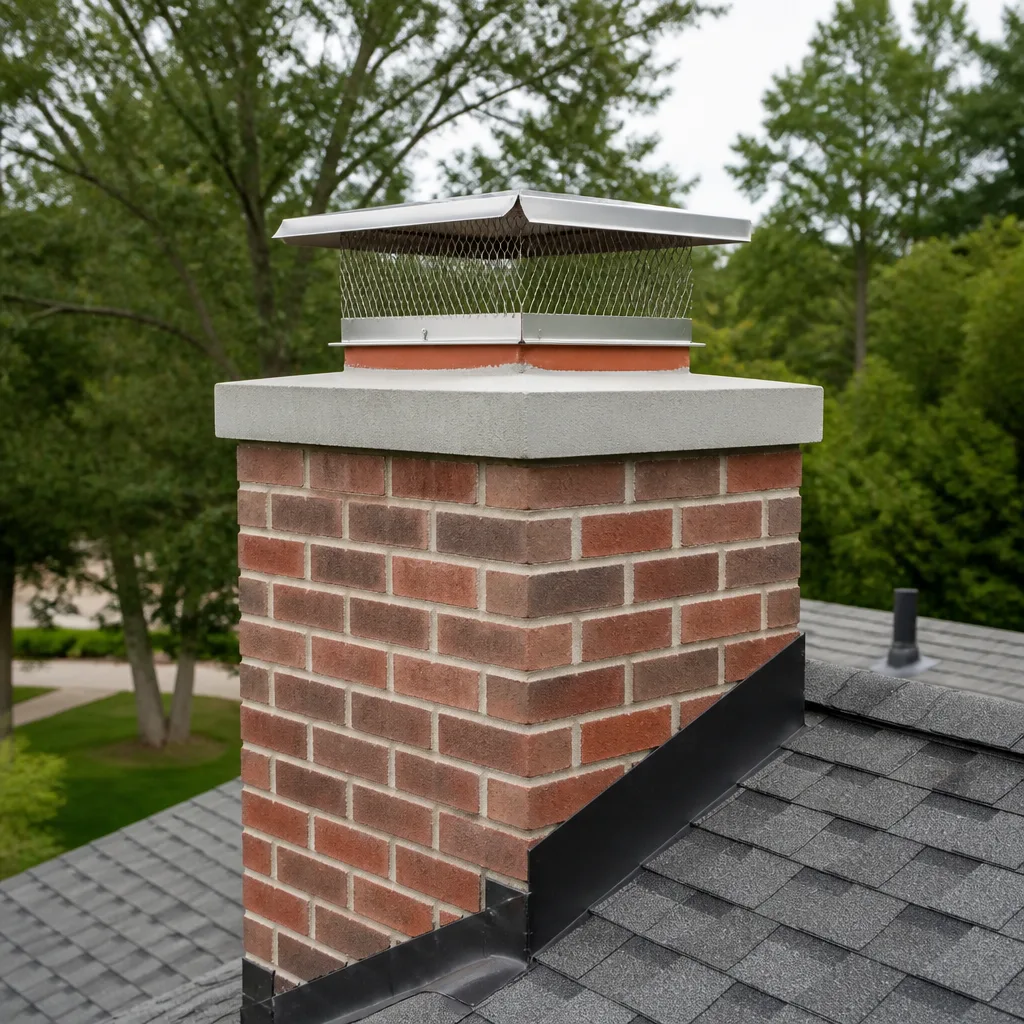
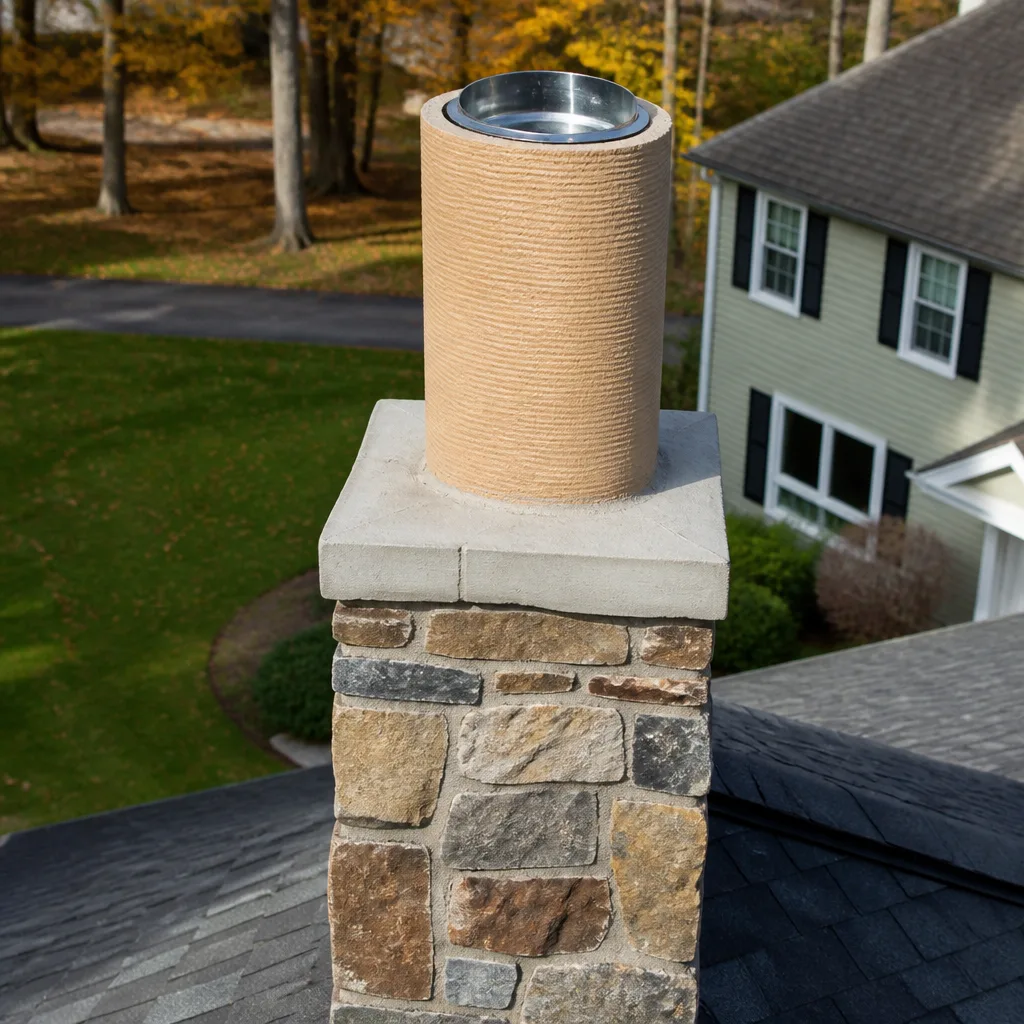
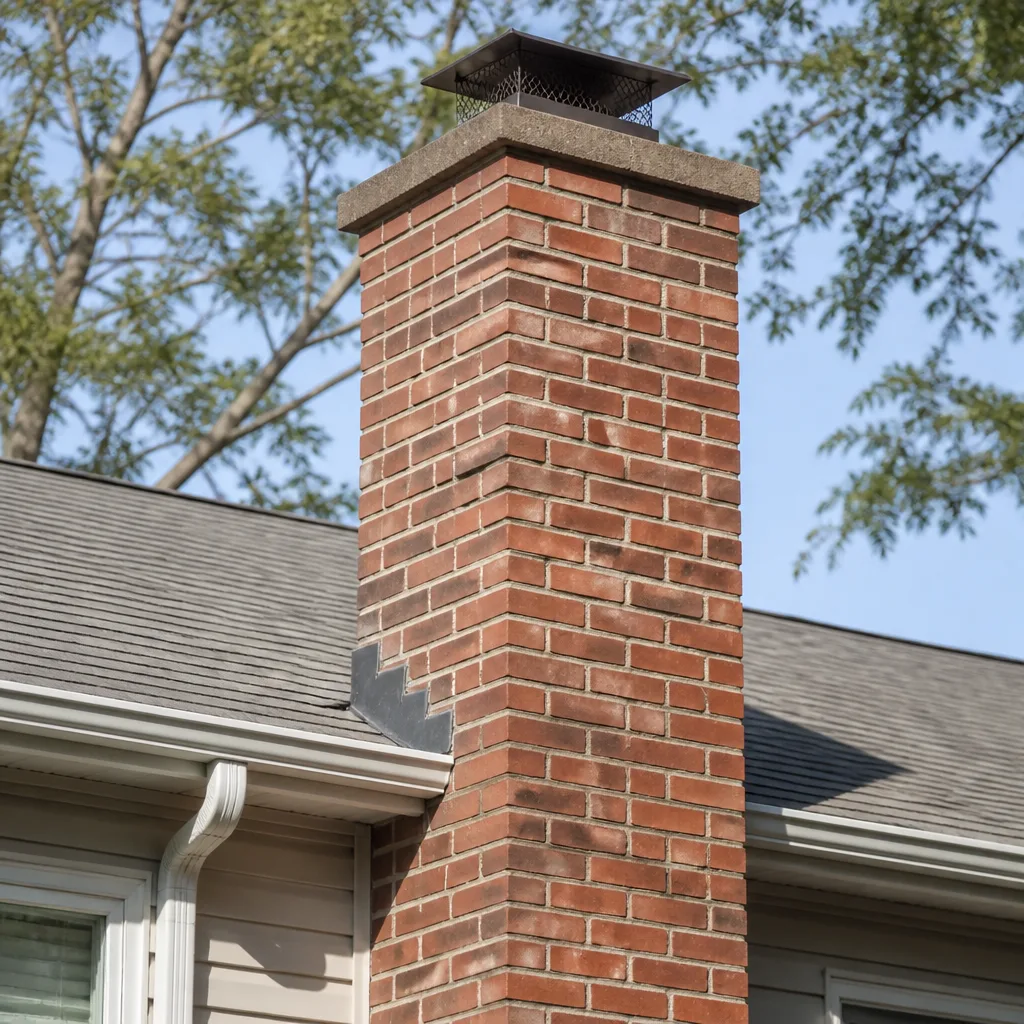
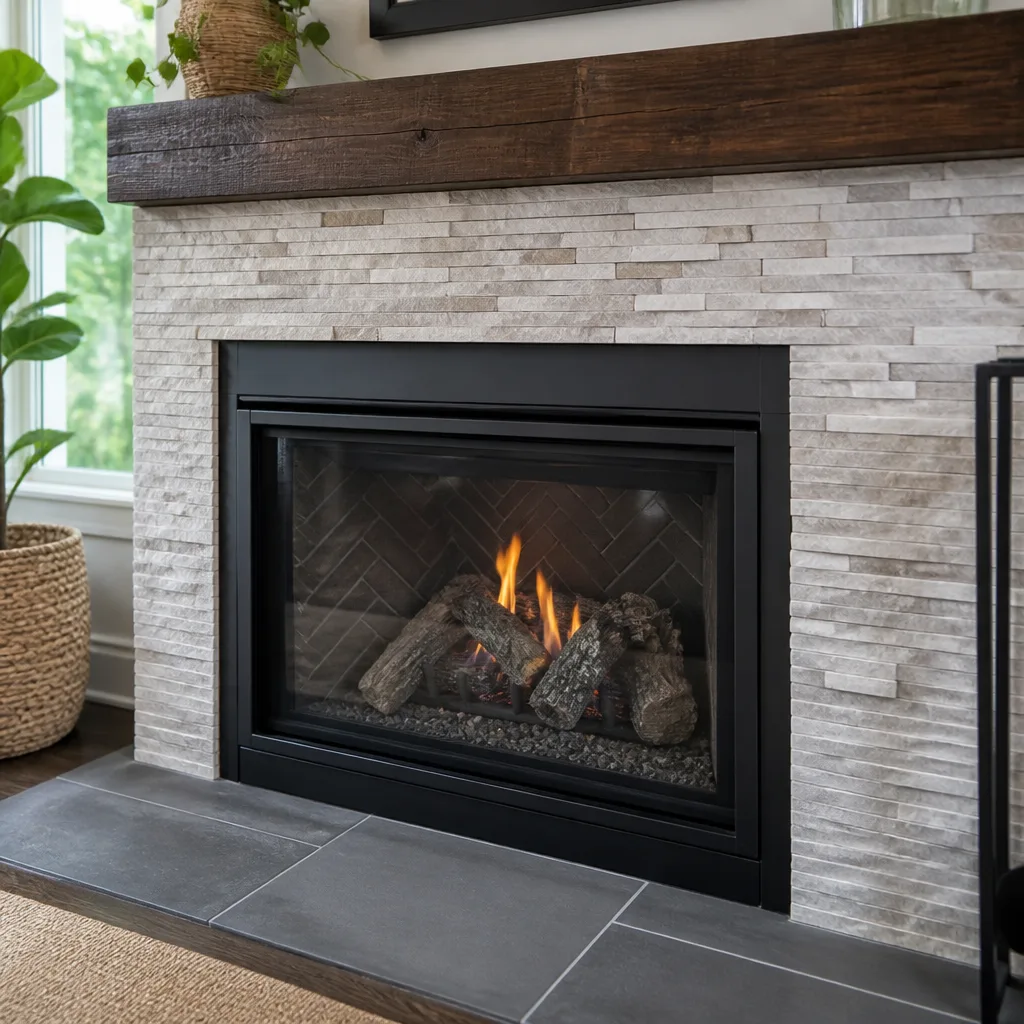
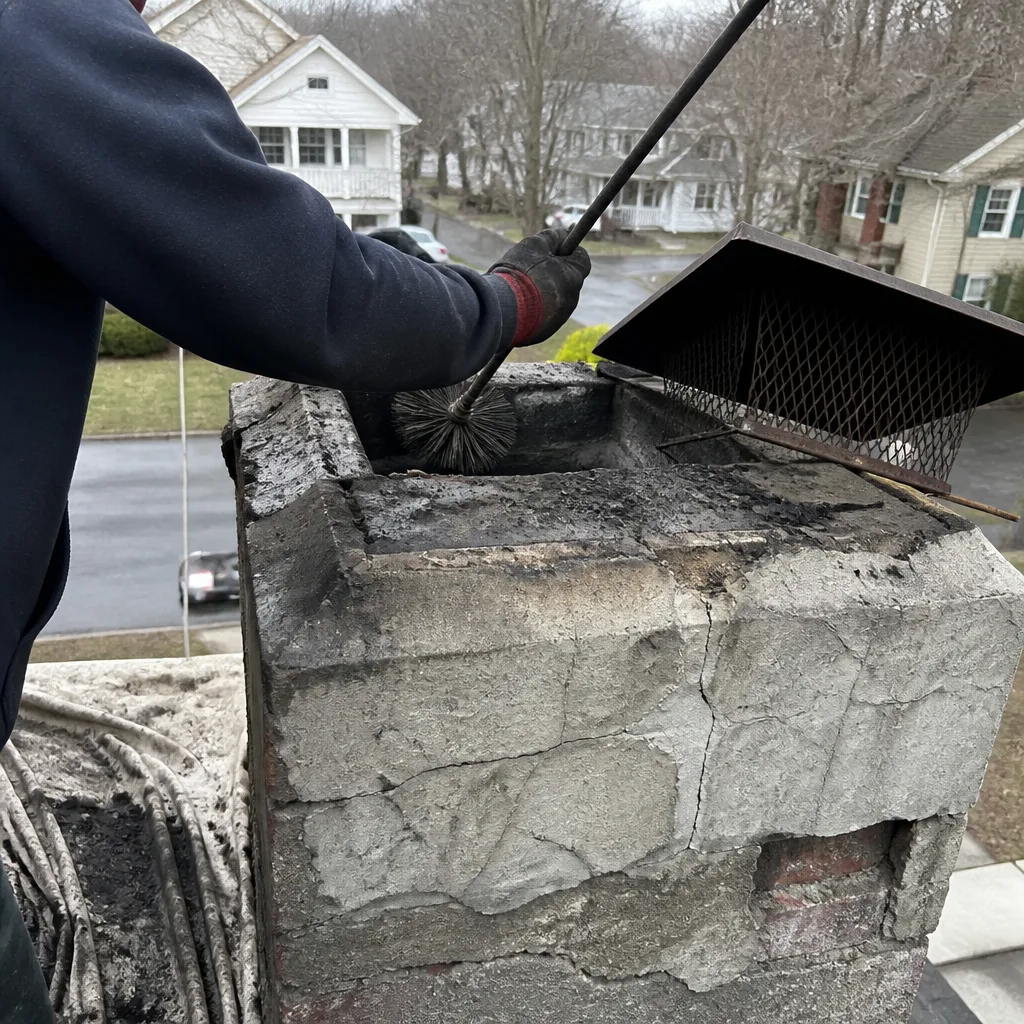 Before
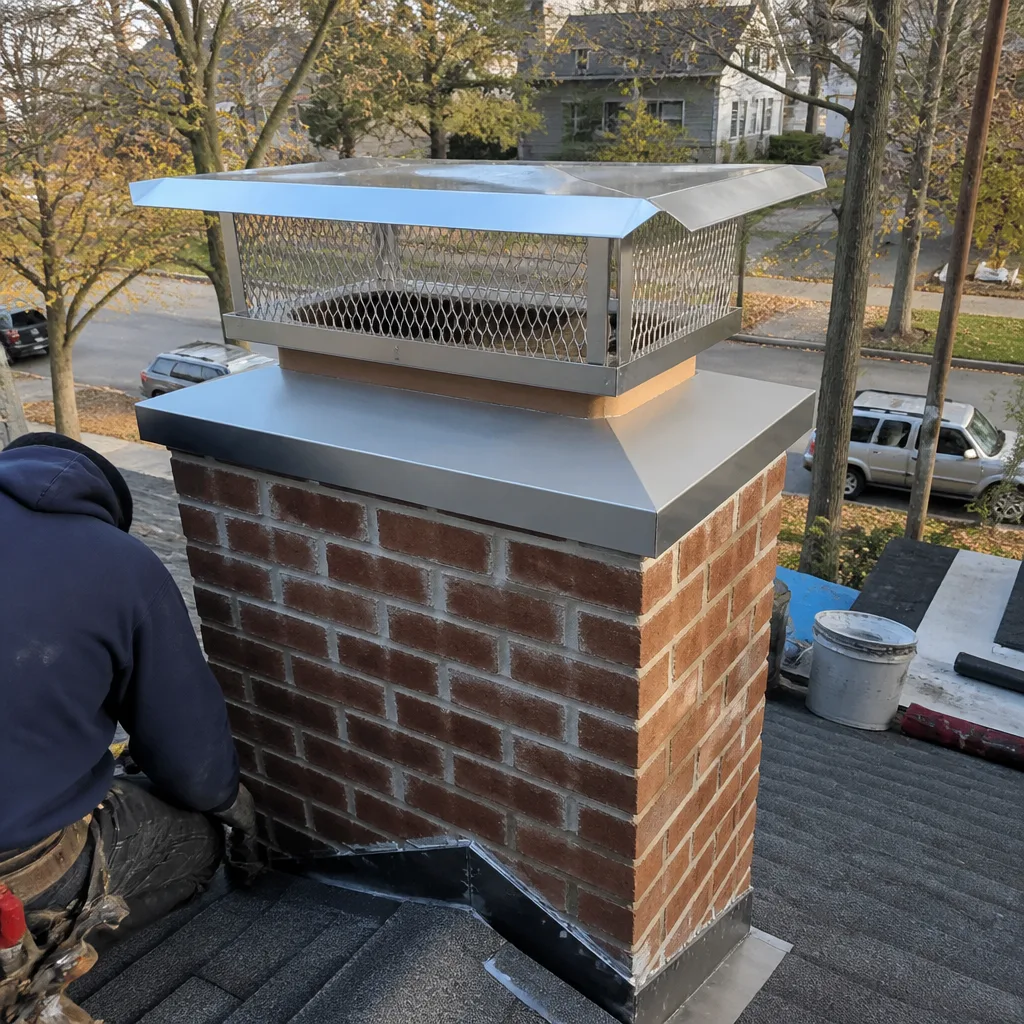 After
After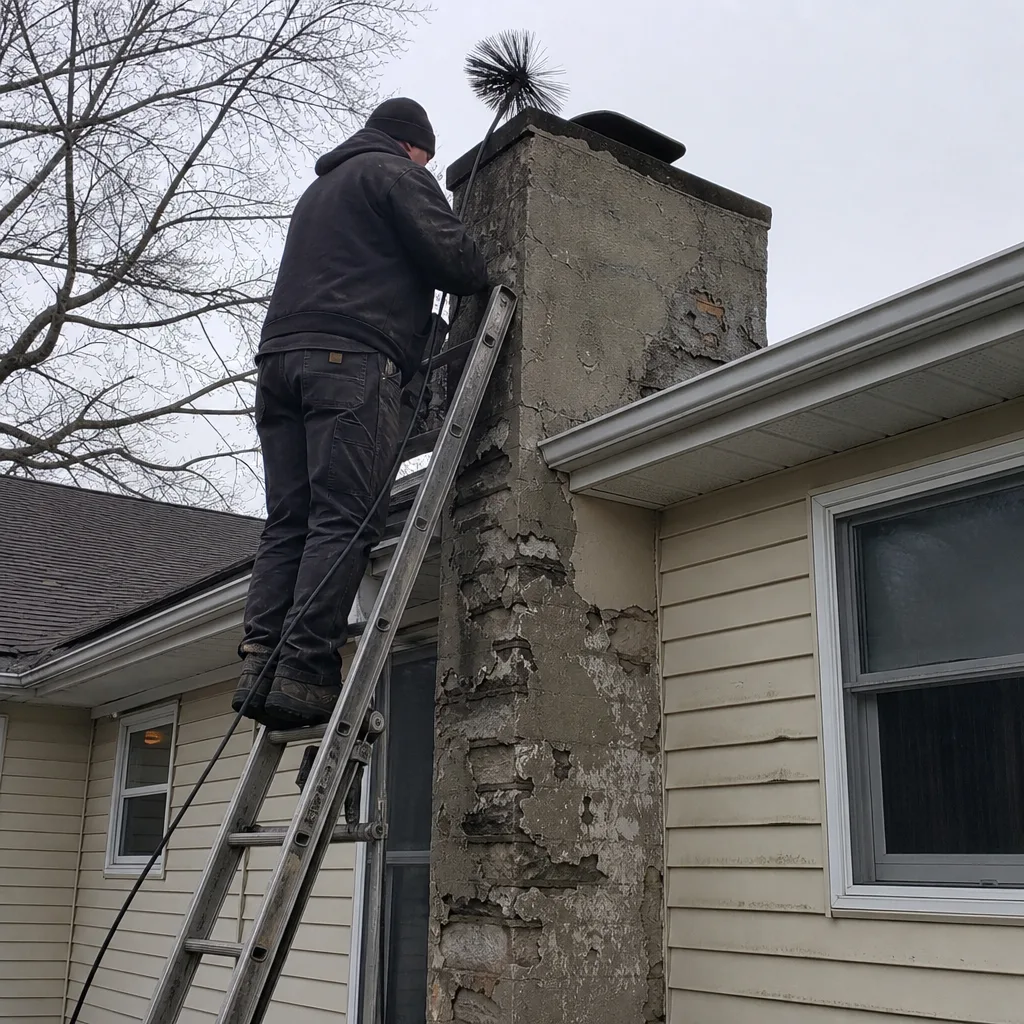 Before
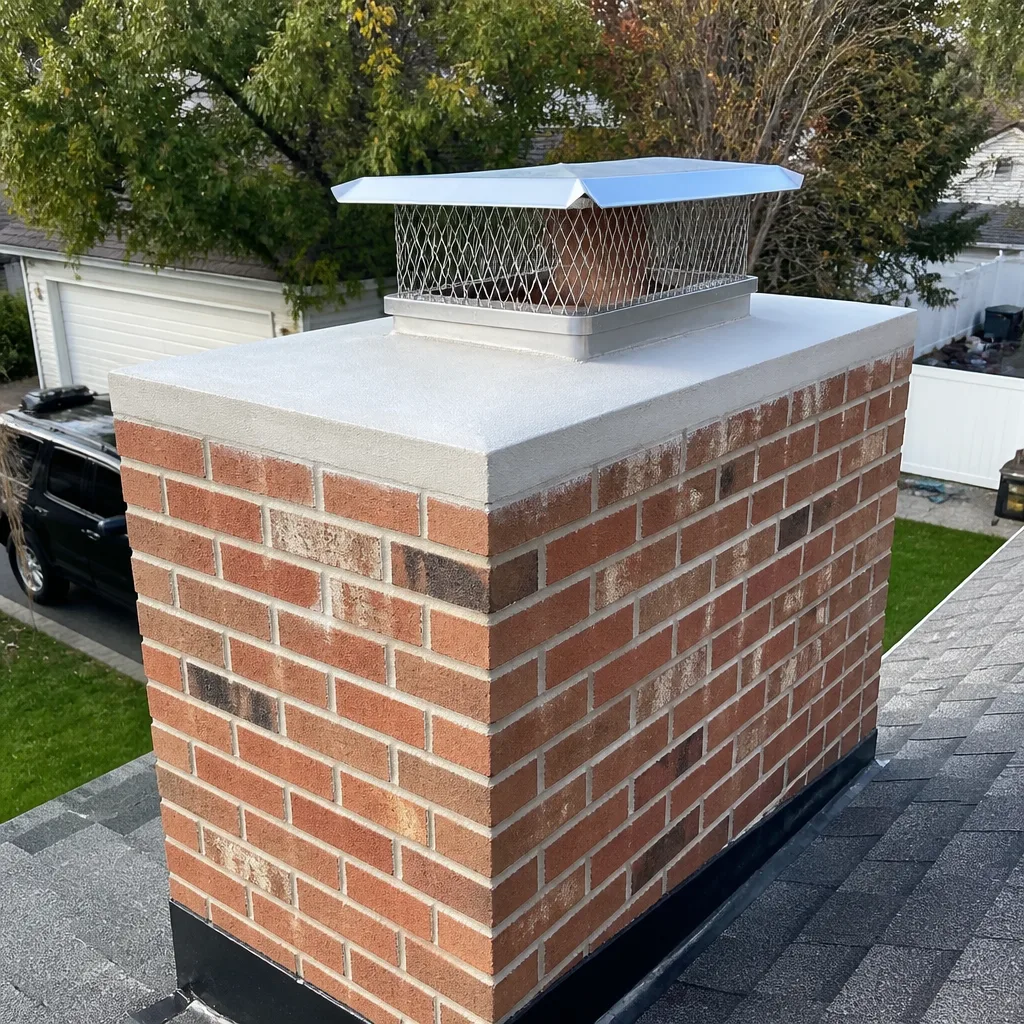 After
After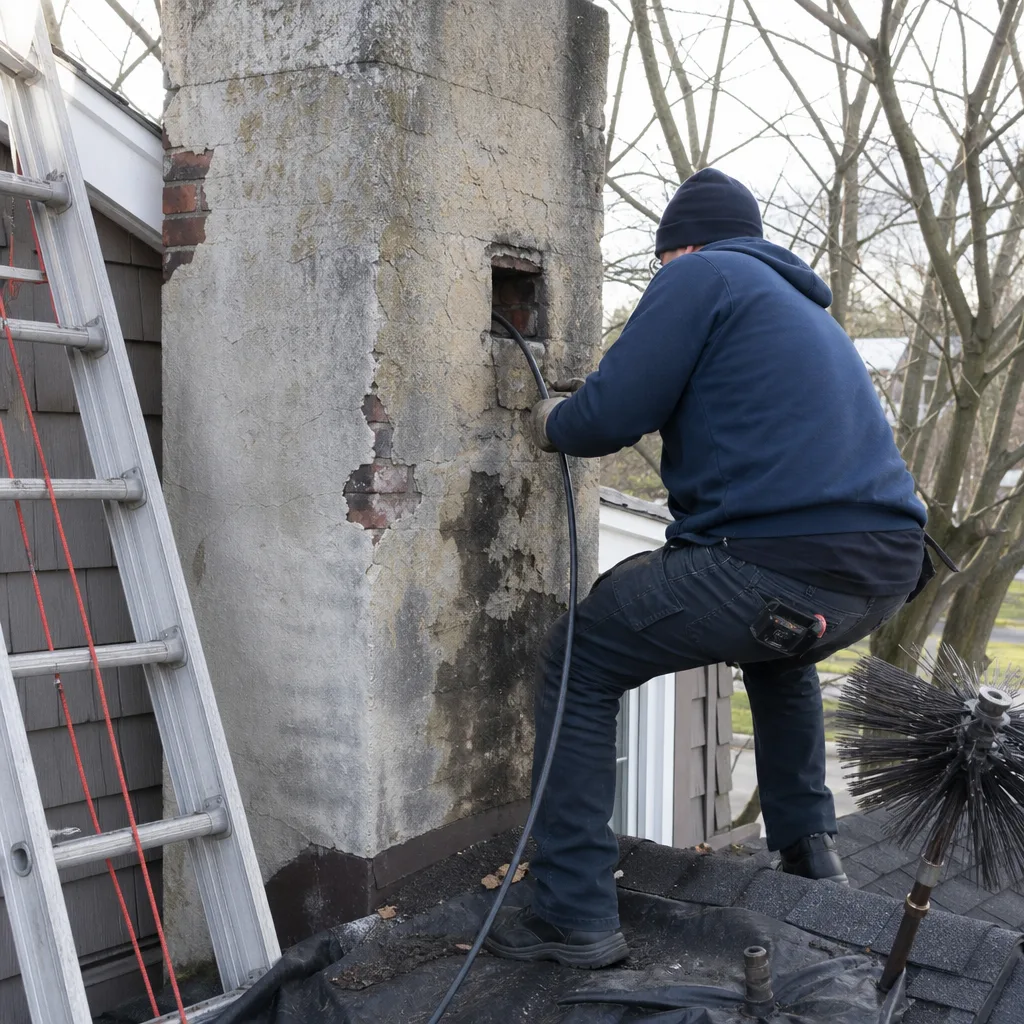 Before
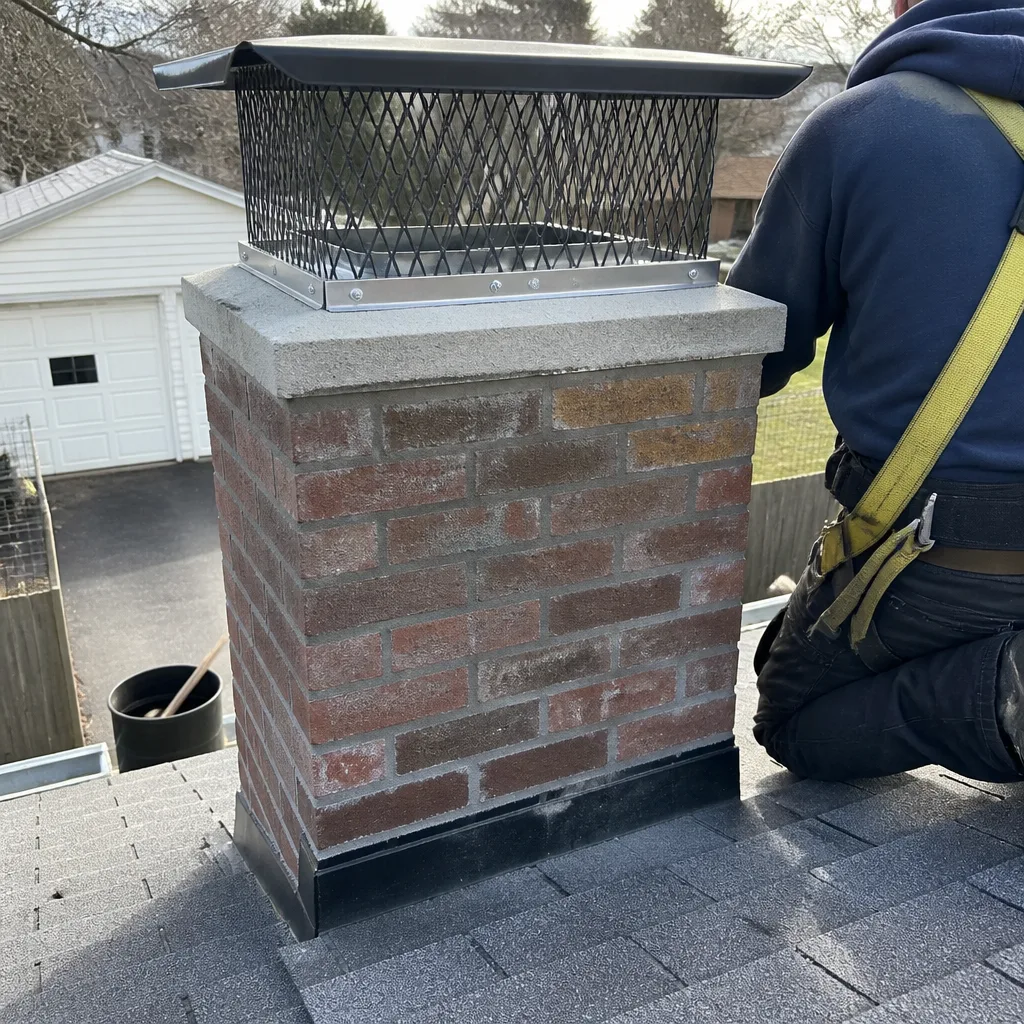 After
AfterChimney Cleaning Warning Signs: A Deer Park Homeowner’s Reference Guide
The white staining on the brick above your firebox isn’t decorative and it isn’t from a candle. Efflorescence means water is moving through your masonry, and water moving through masonry in Deer Park winters is how you end up with a spalled firebox by spring. Most chimney problems in our area don’t start with a dramatic collapse or a visible fire. They start as small, quiet signals that get walked past for months: a stain here, a smell there, a fire that’s a little harder to start than it used to be. This guide is a reference for the specific, observable warning signs worth taking seriously in Deer Park, NY, and a plain-English explanation of which ones mean clean the chimney, which ones mean repair the chimney, and which ones mean stop using the fireplace today. For a deeper dive, see The Complete Guide to Chimney Cleaning in Deer Park.
Quick Answer
The most common chimney warning signs in Deer Park homes are a strong smoke smell with no fire burning, visible white staining (efflorescence) on exterior brick, shiny or tar-like creosote buildup inside the flue, and smoke rolling back into the room when you light a fire. If you see shiny, glazed creosote or smell smoke without a fire, stop using the fireplace and call a sweep. If you see standard black soot or exterior staining, you can typically book a cleaning within two weeks.
Table of Contents
- The Difference Between Normal Soot and Third-Degree Glazed Creosote
- What a Smoke Smell with No Fire Actually Means
- Exterior Masonry Signs: Reading Deer Park’s Climate on Your Brick
- Draft Problems at the Start of Heating Season
- Stop Now vs. Book Within Two Weeks: A Triage Framework
- Why Chimneys Break in the Off-Season Too
- Common Mistakes to Avoid
- When to Call a Professional
- Frequently Asked Questions
The Difference Between Normal Soot and Third-Degree Glazed Creosote
Your flue doesn’t care how the fire looks. It cares how it breathes. And what it breathes out, over hundreds of fires, determines whether you have a maintenance job or a fire hazard on your hands. In our experience across Deer Park, most homeowners know the word creosote but have never seen the three different forms up close. Knowing the difference is the single most useful thing you can learn about your chimney.
First-degree creosote is a fine, dusty, gray or brown coating. It brushes off easily and is what any routine chimney cleaning addresses. It forms when the fire burns hot and the flue stays warm enough to carry moisture and unburned wood particles all the way out. If you see this when you look up your firebox and into the flue, you’re in routine territory. A sweep once a year keeps it in check.
Second-degree creosote is flaky and black, like toasted coconut or brittle tar. It’s harder than first-degree but still removable with the right brushes and rods. This is the stage where most Deer Park homeowners who burn regularly find themselves. It says the fire isn’t getting quite hot enough, or the wood isn’t seasoned fully, but it’s not an emergency. Book a cleaning and maybe reconsider your wood pile.
Third-degree glazed creosote is different. It looks like a hard, shiny, black glaze: sometimes slick as glass, sometimes pitted and tar-like. It does not brush off. It is concentrated fuel that has baked onto your flue walls, and it burns at a much higher temperature than the wood that created it. Once it ignites, you have a chimney fire. Not a small one. First-degree creosote is a brush job. Third-degree is a glaze: catch it early. In our 29 years serving Top Hat Chimney home customers around Deer Park, we’ve seen glazed creosote form in as little as one season of burning wet or unseasoned wood. It’s not a slow, decades-long process. It can happen fast.
Here’s what to look for, from easiest to hardest to check:
- Look up from the firebox. Take a flashlight and look past the damper into the flue. If the surface looks shiny or glassy instead of sooty or brick-textured, that’s third-degree. Stop burning.
- Check the damper. If the damper has a hard, baked-on coating, the same condition likely extends up the flue.
- Look at the chimney cap or screen from outside. Tar drips or a shiny black coating near the cap means glazed creosote is condensing near the top of the flue, where it’s coldest.
- Notice the smell. Third-degree creosote has a sharp, almost asphalt-like odor that gets stronger on humid days or when the fireplace isn’t in use.
If you’re unsure what you’re looking at, call us. We’ll put a camera up the flue, and you’ll see the footage yourself. The camera footage and a plain-English verdict: every time, no exceptions.
What a Smoke Smell with No Fire Actually Means
A smoke smell in a room with no fire burning is not normal. It’s a signal from your draft system, and ignoring it is how small problems become liner replacements. The smell tells you that the air inside your chimney, instead of rising out and away from the house, is falling back down into the room. That’s a draft failure. There are several reasons it happens, and some are more serious than others.
The most common cause in Deer Park homes is simple: creosote buildup. When enough creosote and soot accumulate on the flue walls, the effective diameter of the flue shrinks. The smaller opening changes the draft: the chimney can’t pull air as efficiently, so it pulls less, and what it doesn’t pull, it leaves sitting in the flue. The smell of that stale, baked creosote drifts back into the room, especially on warm or humid days when the air pressure outside drops and the air pressure inside the house stays steady. The fix is usually a thorough chimney cleaning and an inspection to confirm the draft is restored.
A second cause is structural: a crack, gap, or failed flue liner. When a liner fails, the byproducts of old fires, absorbed into the masonry, get a direct path back into the house. This is more serious than buildup. It means the chimney is no longer containing its own exhaust. In an older Deer Park home with a clay tile liner, a single cracked tile can be the culprit. The smell will be present even when the chimney hasn’t been used in weeks. If you have this smell and a cleaning doesn’t resolve it, you need a camera inspection, plain and simple.
A third cause is the off-season reverse draft. In summer, when your house is cooler than the outside air, the natural draft can reverse: air flows down the chimney instead of up. If there’s enough creosote in the flue, that downdraft brings the smell of it with it. It’s common in Deer Park’s hot, humid summers. A chimney cleaning and possibly a top-sealing damper address it. The smell in this case is a nuisance, not an emergency, but it’s still worth investigating, because during the heating season that same condition can become a smoke rollout problem.
How serious is a smoke smell? If you smell it and you haven’t burned in weeks, book a chimney inspection within the next two weeks. If you smell it and it’s been growing stronger over days, or you also see smoke stains around the firebox, stop using the fireplace and call right away. There’s no charge for a conversation: the number is (631) 214-2108.
Exterior Masonry Signs: Reading Deer Park’s Climate on Your Brick
If there’s one exterior sign that Deer Park homeowners should know by name, it’s efflorescence. That’s the white, powdery, or blotchy staining that appears on brick or block. The hook of this guide opened with it because it’s the one sign most people write off as cosmetic. It isn’t. Efflorescence is salt. When water moves through brick and mortar, it dissolves the natural salts inside the masonry and carries them to the surface. When the water evaporates, it leaves the salt behind as a white deposit. Seeing it means water is inside your chimney structure.
Deer Park’s climate makes this a year-round issue. We get hard freezes in winter, thaw cycles in late winter and early spring, and heavy summer rain. Every time water inside the masonry freezes, it expands. Over enough freeze-thaw cycles, that expansion spalls the brick: faces pop off, mortar joints crack, and pieces fall. That white staining above your firebox or along the exterior chimney face is the early warning that this cycle is already running. In Deer Park, a chimney with visible efflorescence in October is a chimney that will have spalled bricks by March unless the water entry point is found and fixed.
Here’s the nuance worth knowing: not all white staining is equal.
- Standard white staining can come from hard water deposits, old paint, or even just years of rain runoff. It’s typically faint and uniform. It does not mean water is moving through the masonry.
- Salt-driven efflorescence appears as white, crystalline, powdery deposits that form in specific patches: often along mortar joints, at the base of the chimney, or in a diagonal line that traces a crack. It often appears, disappears after rain, then returns when the surface dries. That cycle of appearing and reappearing is the tell: water is inside the wall and carrying salt out again.
What to do if you see it? Start with a masonry inspection. The fix may be a new cap, better flashing, or repointing of the mortar joints, but the first job is finding where the water is entering. Sometimes it’s an obvious crack. Sometimes it’s the cap or crown failing. On a brick chimney in Deer Park, it’s frequently the crown: a new pour with the proper overhang and drip edge can solve years of water intrusion in one day. The important thing is not to paint over it. Paint seals the moisture in and makes the spalling happen faster, not slower. Call us for a look before you call a painter.
Draft Problems at the Start of Heating Season
Every year, starting around late October, the calls come in with the same pattern: the fireplace worked fine last winter, then sat unused all summer, and now it won’t draw. Smoke rolls into the room. The fire won’t start. The house smells like a campfire. And every year, the cause almost always comes down to one of three things, all of which a good Deer Park chimney cleaning and inspection will uncover.
Back-puffing is when the fire lights, burns for a few minutes, and then pushes a puff of smoke back into the room instead of up the flue. It’s often caused by a cold flue: the air inside the chimney is dense and cold and needs to be primed before the draft will establish. The fix is sometimes as simple as holding a lit piece of rolled newspaper up near the open damper for a few seconds before lighting the main fire. But if back-puffing happens consistently, even after priming, the cause is more likely a flue that’s partially obstructed by creosote, a bird nest, or a damper that isn’t opening fully. A chimney cleaning and inspection resolves most cases.
Slow starts are a quieter version of the same problem. The fire eventually catches, but it takes longer than you remember, and the first ten minutes are smoky and weak. Again, a cold flue explains some of it. But a dirty flue makes the draft worse because the buildup narrows the opening and smooths the walls, which reduces the chimney’s ability to create the negative pressure that pulls air. If you’re noticing slow starts more than a couple of times, it’s usually buildup, and the fix is a cleaning.
Smoke rollout is different. Smoke rollout is not a weak draft. It’s a failed draft. The fire is lit, and smoke enters the room in more than a faint wisp: it comes out in visible plumes, often accompanied by a strong smell. This can indicate a serious obstruction, a failed damper, or an undersized or damaged flue. If you see smoke rollout, stop burning immediately and call a professional. It’s not a cleaning-interval issue; it’s a safety issue. In our 29 years of serving Chimney Cleaning & Sweep in Deer Park, we’ve found everything from squirrel nests to collapsed flue tiles behind smoke rollout calls.
Here’s a useful way to categorize them if you’re trying to decide how quickly to act:
- Cold-flue back-puffing on the first fire of the season: prime the flue, try again. If it resolves, fine. If it doesn’t, call for a cleaning.
- Recurring back-puffing or slow starts: book a cleaning in the next two weeks. It’s almost always buildup.
- Visible smoke rollout: stop burning immediately and call. This is not a maintenance item.
Our Fireplace Services in Deer Park page covers the full range of insert and fireplace draft work if you want more detail on the systems involved.
Stop Now vs. Book Within Two Weeks: A Triage Framework
This is the section most homeowners need but few guides offer: a straight, honest triage framework. When a warning sign appears, you want to know two things. Is this a stop-using-the-fireplace-now situation? Or is this a book-a-cleaning-when-convenient situation? Here’s how we think about it, in plain language, based on what we’ve seen in Deer Park homes since 1999.
Stop using the fireplace immediately if:
- You see shiny, glazed, tar-like creosote inside the flue. This is fuel, not buildup. A chimney fire is a real possibility.
- Smoke rolls into the room in visible plumes while burning.
- You smell smoke strongly when the fireplace has not been used for weeks, and the smell is getting stronger over time.
- You see cracks in the firebox or hear loose brick or debris falling when you open the damper.
- You see water leaking into the firebox during or after rain.
Book a cleaning or inspection within two weeks if:
- You see standard black soot or flaky second-degree creosote.
- You notice slow starts or occasional back-puffing at the start of heating season.
- You see white efflorescence on exterior brick for the first time.
- You smell smoke only on humid summer days, and the smell goes away when the weather cools.
- It’s been more than a year since your last chimney cleaning, whether or not you’ve burned regularly.
The philosophy behind this is simple: a dirty flue is a maintenance item. A glazed flue is a fire hazard. Water in the masonry is a structural item. Know which one you’re dealing with, and you’ll never overreact or underreact. If you’re in any doubt, call us and describe what you’re seeing. No charge for the conversation, and if it turns out to be nothing, we’ll tell you that plainly.
Why Chimneys Break in the Off-Season Too
Once a year, burn or no burn. Chimneys break in the off-season too. That’s not a slogan. It’s a pattern we’ve observed over nearly three decades in Deer Park, where the weather itself is the greatest enemy of chimney masonry. When a fireplace goes unused all spring and summer, the problems don’t pause. They accelerate, quietly, driven by rain, humidity, and the freeze-thaw cycles that make Long Island winters so hard on brick.
The most common off-season failure is the chimney crown. Deer Park sees dozens of freeze-thaw cycles each winter. Water sits in the small cracks of a crown, freezes, expands, and widens the cracks each time. By the third or fourth winter, the crown is no longer shedding water; it’s channeling it into the chimney. The damage is done during the months the fireplace isn’t used at all. When the next burning season arrives, the homeowner lights a fire and discovers the flue liner has been soaking water for months.
Flashing failures work the same way. The seal between the chimney and the roof is a wear item. Flashing rusts, lifts, and separates after years of expansion and contraction. And because the homeowner isn’t looking at the flashing during the off-season, the water intrusion just runs: down the chimney, into the attic, behind the walls. By the time it shows up as a stain on the ceiling, the damage is done. We’ve lost count of how many Deer Park homeowners have shown us a ceiling stain in October that started as a flashing gap in March.
The preventive answer is simple and the same one we give every customer: a chimney inspection once a year, whether you’ve burned or not. It doesn’t need to be an expensive visit. A camera inspection can see the liner, the crown, and the flashing in one pass. If you’re in our service county, there’s no trip charge for the call. Ask anyone on your street. They’ve either had a chimney problem or know someone who has. The ones who haven’t are the ones who got it looked at before the weather started its work.
We use products like HeatShield for liner repair and Gelco for water repellents because they’re proven in exactly the climate conditions we face on Long Island. But the brand matters less than the habit: check before the season, not after the first snow.
Common Mistakes to Avoid
- Treating white staining on brick as cosmetic. Efflorescence is water moving through masonry. In Deer Park’s freeze-thaw climate, it’s the first visible step toward spalled brick. Investigate before painting over it.
- Assuming no fires means no chimney problems. Water damage, crown failure, and flashing leaks all progress when the fireplace is unused. Annual inspection matters even in homes that never burn.
- Scraping glazed creosote with a wire brush and calling it done. Third-degree creosote is not a surface coating. It requires professional removal, often with a rotary chain system or chemical treatment. Scraping it leaves the hardened base layer intact.
- Burning unseasoned wood because it’s free. Wet wood produces more creosote per fire than seasoned wood, and in Deer Park, a single season of wet wood can create glazed third-degree buildup. Free wood can cost you a chimney cleaning plus a liner repair.
- Fixing a draft problem with a bigger fire. If the chimney won’t draw, adding more wood doesn’t solve it. It makes the smoke rollout worse and deposits more creosote. Find the draft problem before the fire.
- Hiring based on the lowest price without asking who will actually show up. A national outfit that quotes $79 on the phone and sends a stranger who doubles the price at the door is a business model, not a one-off bad experience. Ask for the name of the sweep who will arrive and the license number of the company.
When to Call a Professional
Here’s the honest version: most chimney problems are not DIY problems. A flue liner is a hidden system. You cannot see most of what’s going on from the firebox, and the dangerous stages of creosote buildup do not announce themselves until they’re already a hazard. If you see any of the signs in this guide: glazed creosote, smoke smell with no fire, efflorescence on brick, recurring back-puffing, or visible smoke rollout: call a professional. Not sure who to trust? Read How to Hire a Chimney Cleaning Contractor in Deer Park: A Step-by-Step Guide first. Specifically, call someone who will put a camera up the flue and show you the footage. Not a picture from a brochure. Not a verbal description. Your own chimney, on a monitor, while the sweep explains what you’re seeing. That’s the standard we hold ourselves to on every single job in Deer Park. Top Hat Chimney offers free estimates in Deer Park: call (631) 214-2108.
We’ve been doing this since 1999, and the same name is on the truck that’s on the invoice. Wendell Pike, owner. No franchise. No call center. The phone rings, and a real person answers. When you make the call, you’ll know exactly who is coming, what they’ll do, and what it will cost before a single tool comes off the truck.
Frequently Asked Questions
A standard chimney sweep and inspection in the Deer Park area typically runs between $180 and $340, depending on the condition of the flue, the level of creosote buildup, and whether additional services like a camera inspection or cap replacement are needed. Call (631) 214-2108 for an exact quote: upfront pricing before any work begins, and the number you hear on the phone is the number on the invoice.
Once a year, burn or no burn. That’s the rule we give every customer, and it applies equally in Deer Park whether you burn regularly or not. If you burn more than three cords of wood a season, you may need a mid-season sweep, and we’ll tell you that when we see your flue.
Third-degree glazed creosote looks like a hard, shiny, black coating on the inside of your flue: sometimes glassy-smooth, sometimes rough and tar-like. It does not brush off easily, and it is the form of creosote that fuels chimney fires. If you see it, stop using the fireplace and call us.
Not always. A cracked clay tile in one spot can sometimes be resolved with a targeted repair, but a liner with multiple cracked tiles or a compromised mortar joint between tiles typically needs a new liner. We use HeatShield and DuraFlex systems for resleeving and repair. The camera footage will tell us the truth, and we’ll give you a plain-English verdict on whether the liner can wait or needs to be addressed.
Creosote builds up, the flue narrows, the draft weakens, and the risk of a chimney fire or carbon monoxide backdraft increases. In a Deer Park home with regular freeze-thaw cycles, you also risk water damage going undetected: a cracked crown or failed flashing that leaks for years before it shows up as a ceiling stain. A $200 cleaning is cheaper than any of the alternatives.
Yes. In fact, we offer more than that: no trip charge inside our service county, a free second opinion on any written estimate, and $40 off any repair over $200. Call (631) 214-2108 and ask for Wendell. He’ll set it up.
The Bottom Line
Your chimney talks. It talks through white staining on the brick, through smoke smells that appear when no fire burns, through slow starts and back-puffing and shiny black glaze on the flue walls. The whole job of a homeowner is to hear it early. In Deer Park, where freeze-thaw cycles put more stress on masonry than almost any other climate on Long Island, early detection is the difference between a $200 sweep and a $4,000 liner replacement. Learn the three stages of creosote. Learn what efflorescence means. Learn the difference between a dirty flue and a failed draft. And once a year, burn or no burn, get the chimney looked at. This guide is a reference. But the camera doesn’t lie, and the answer is always clearer when you see it yourself.
Written by Wendell Pike, Owner at Top Hat Chimney, serving Deer Park since 1999.