
Last updated September 10, 2026
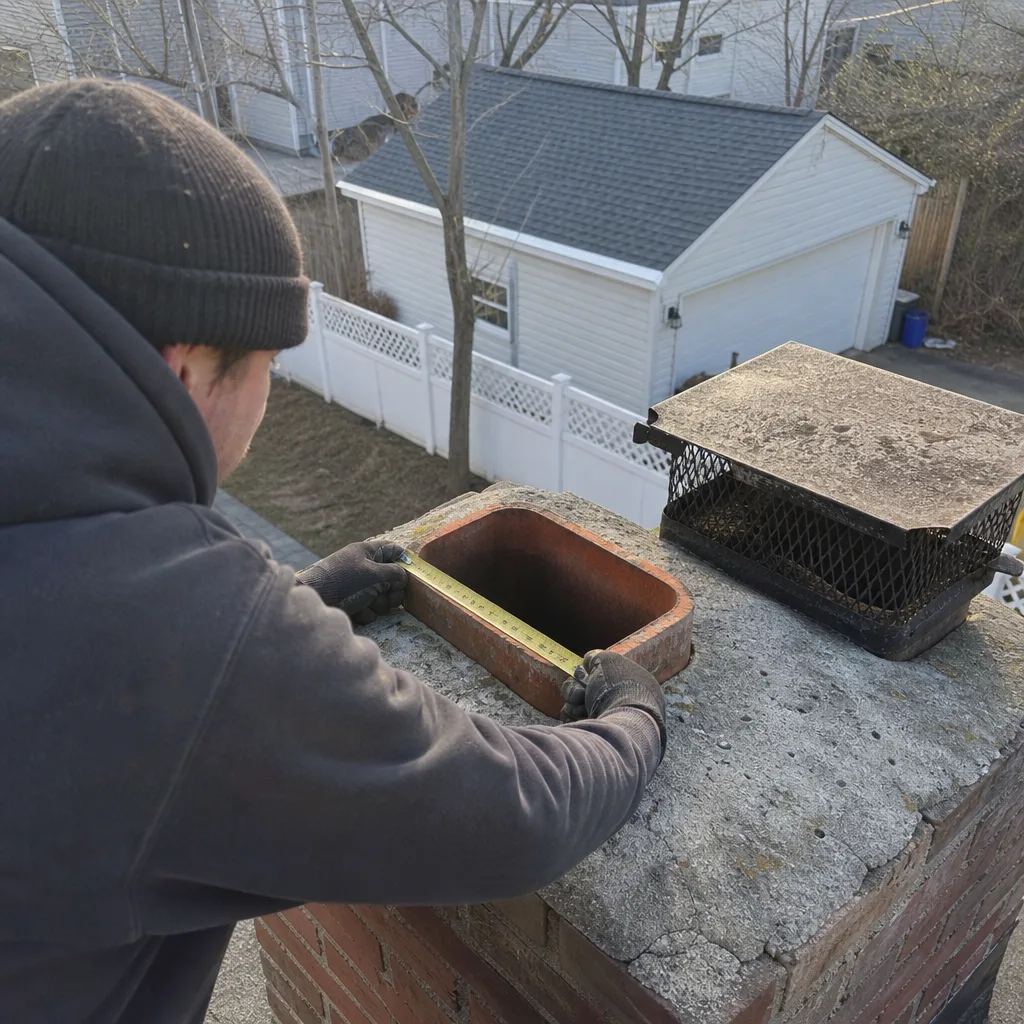
Level 1 sweep and inspection to the NFPA 211 annual standard - flue, crown, cap, and flashing checked and photographed
Chimney sweep logs do not sweep chimneys. They loosen some creosote - which then falls where a brush and vacuum still have to collect it.
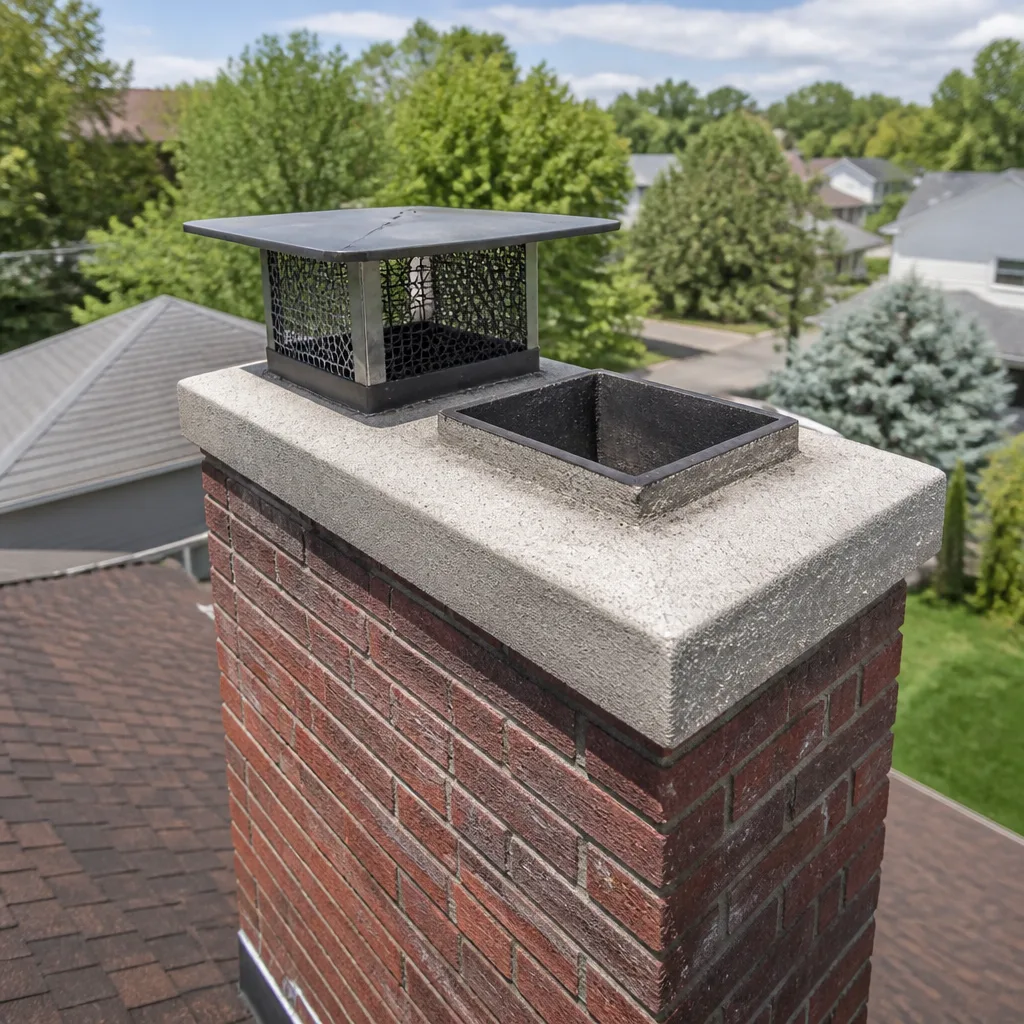
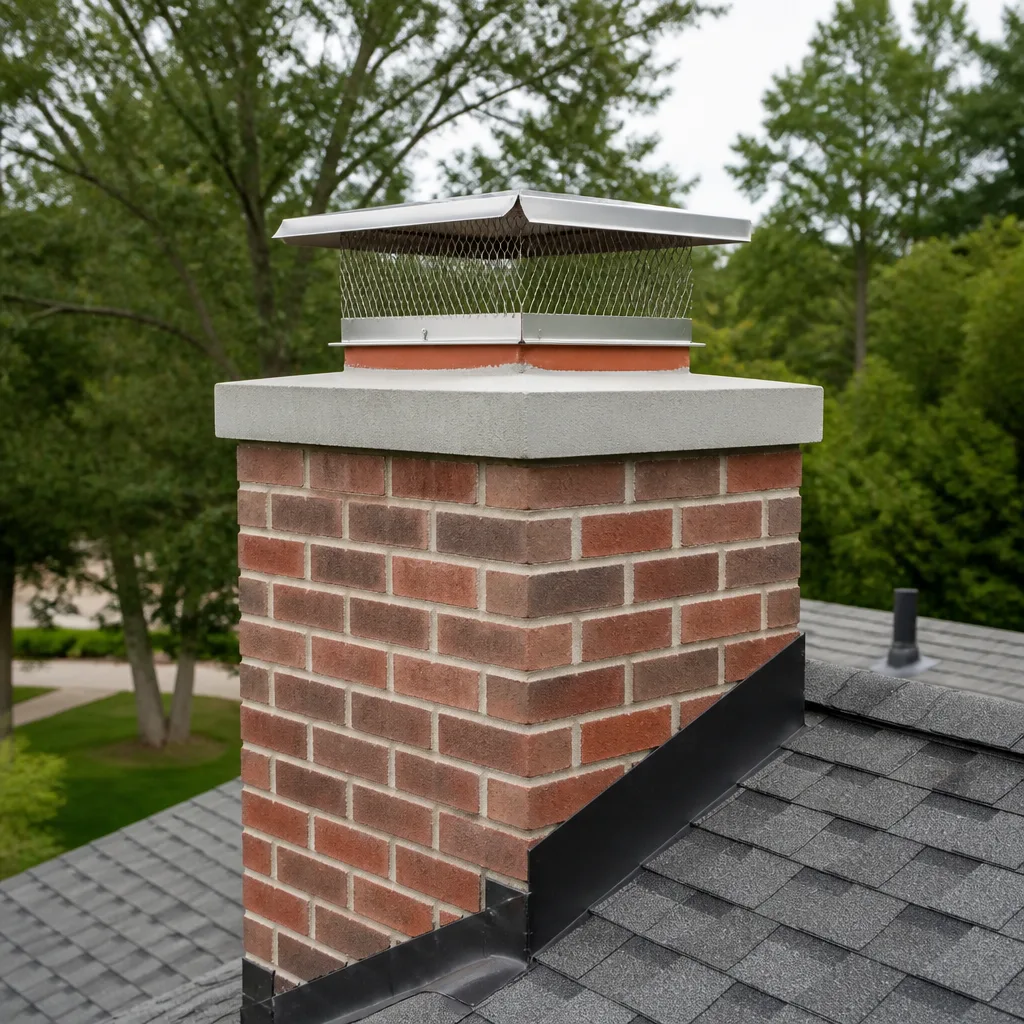
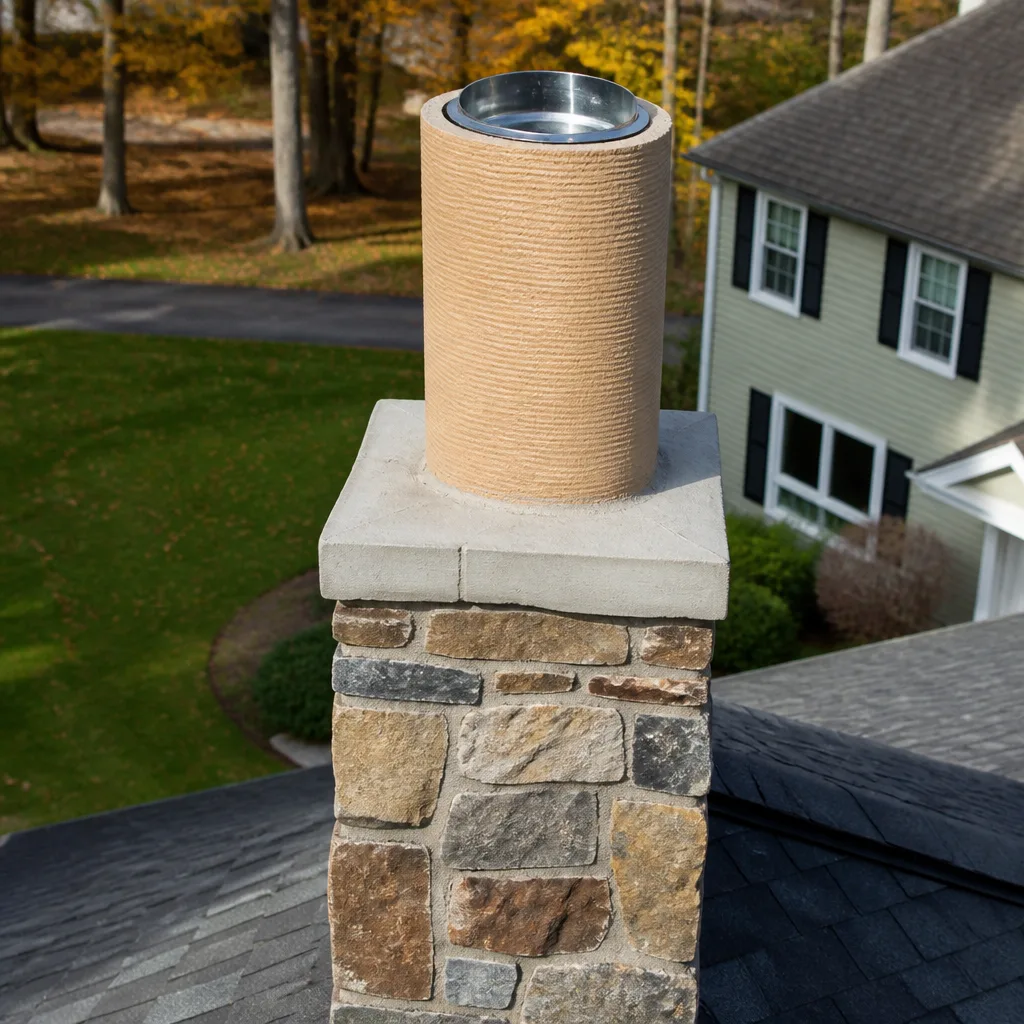
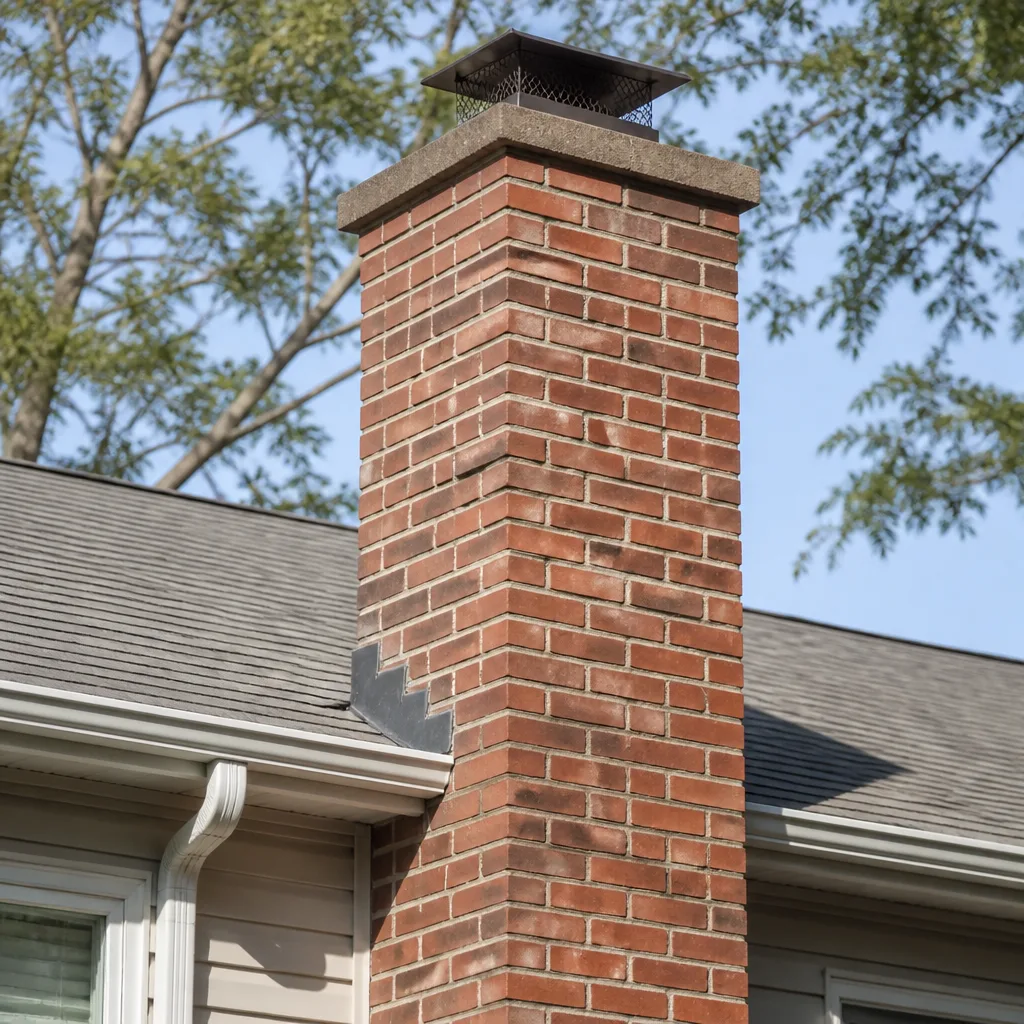
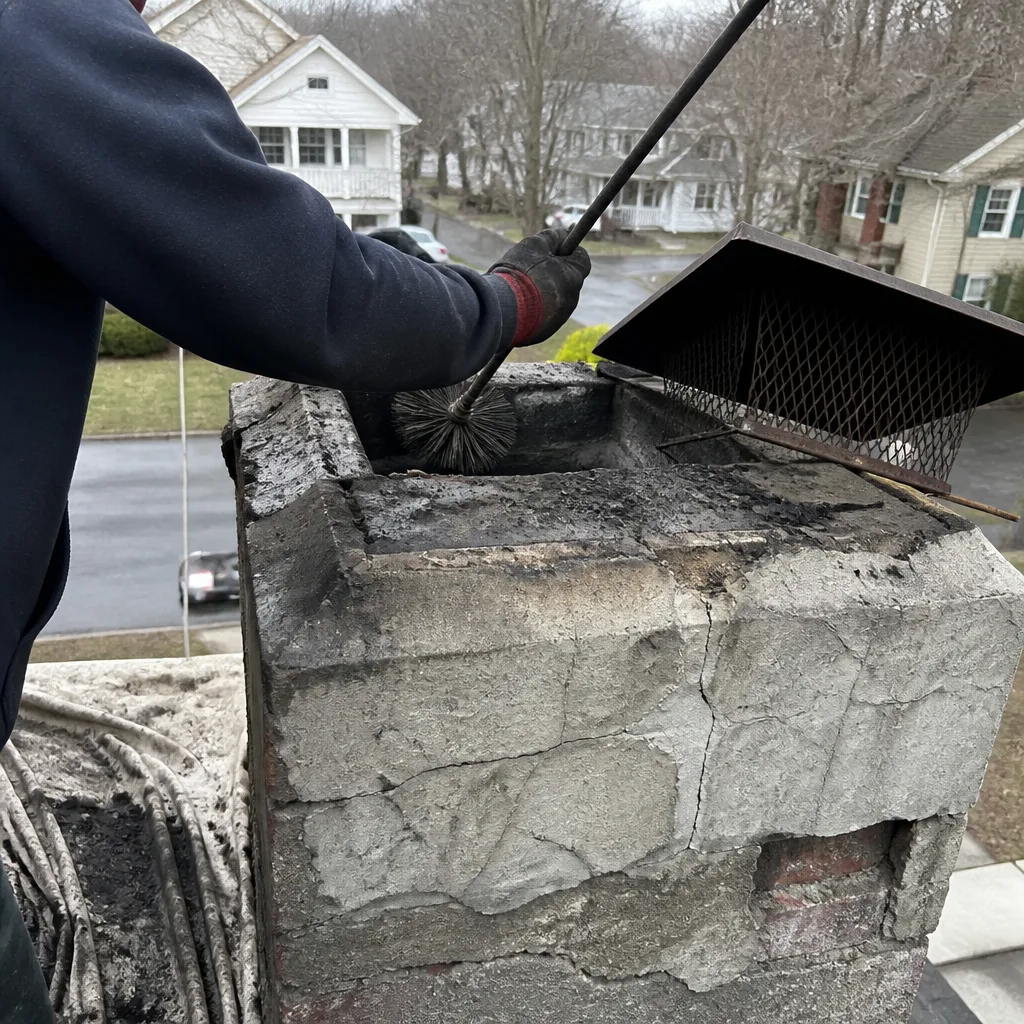 Before
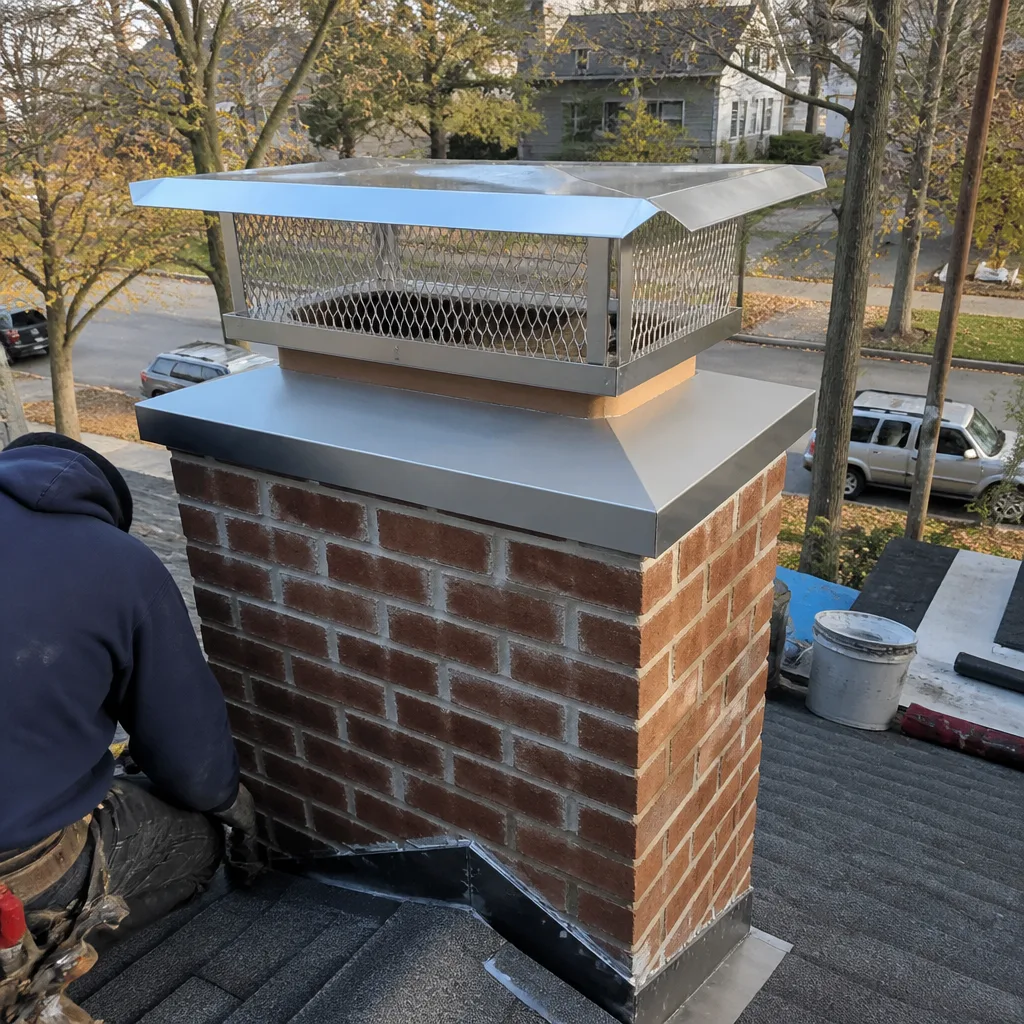 After
After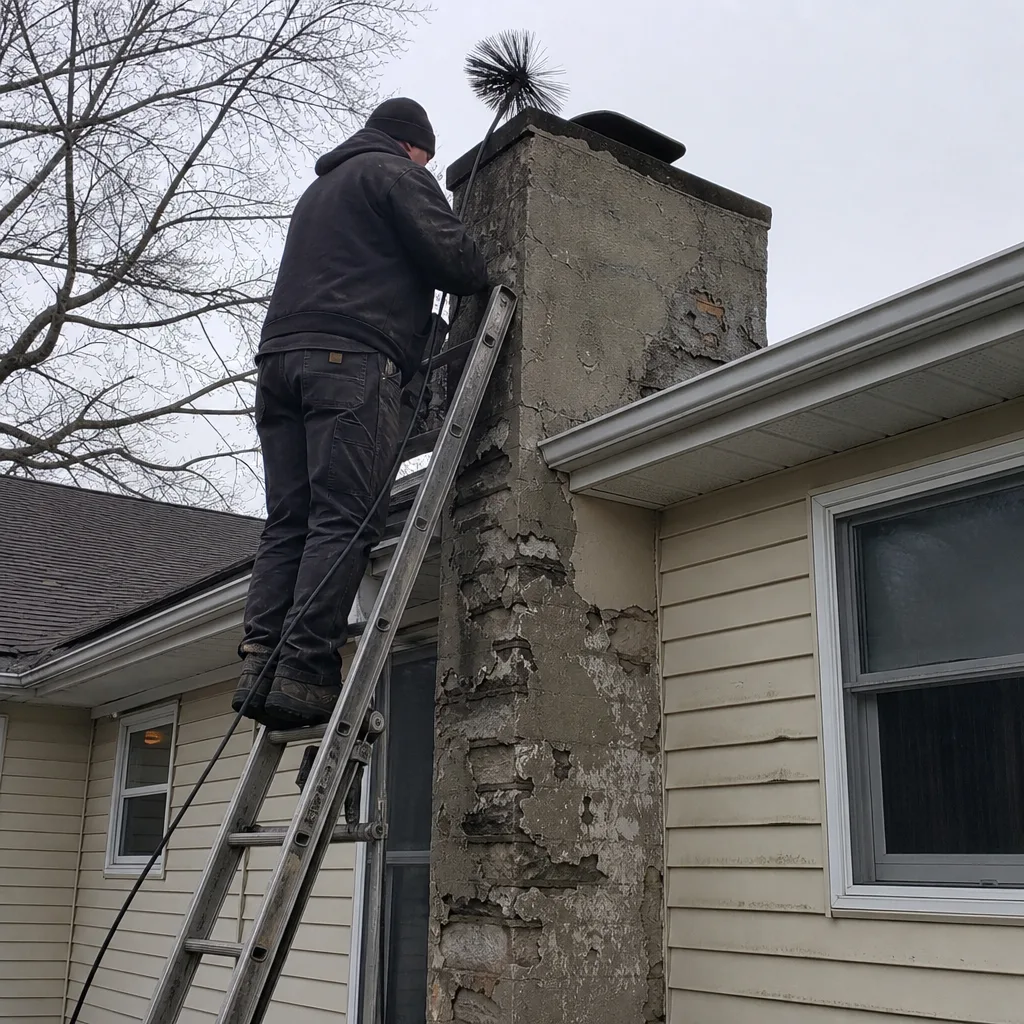 Before
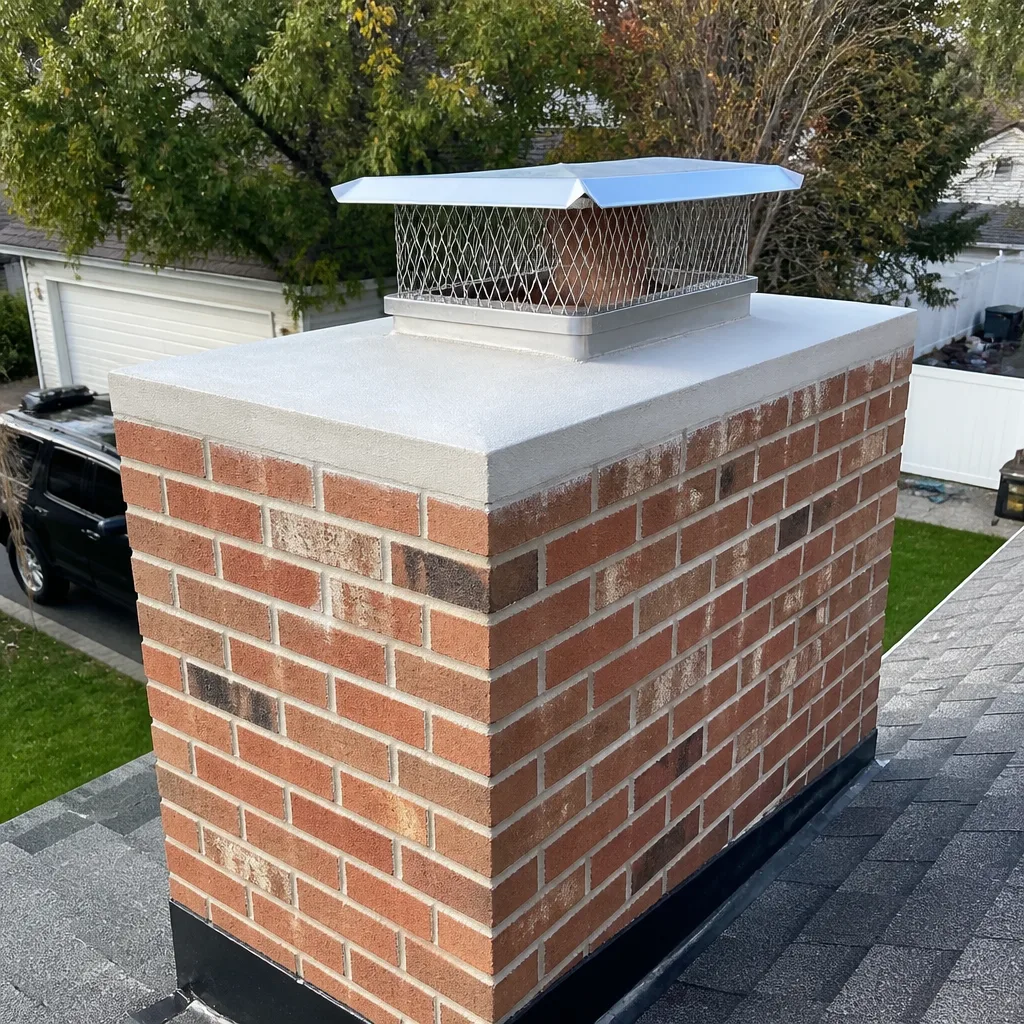 After
After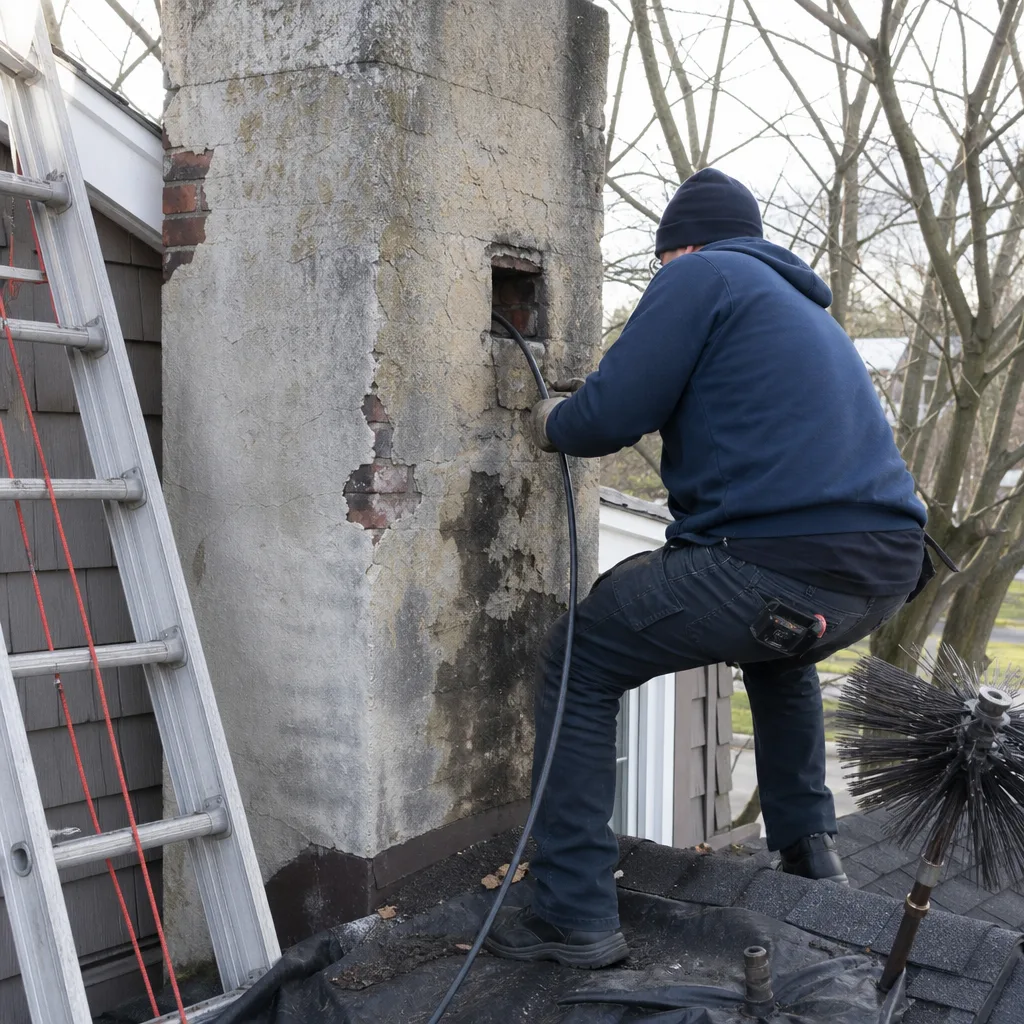 Before
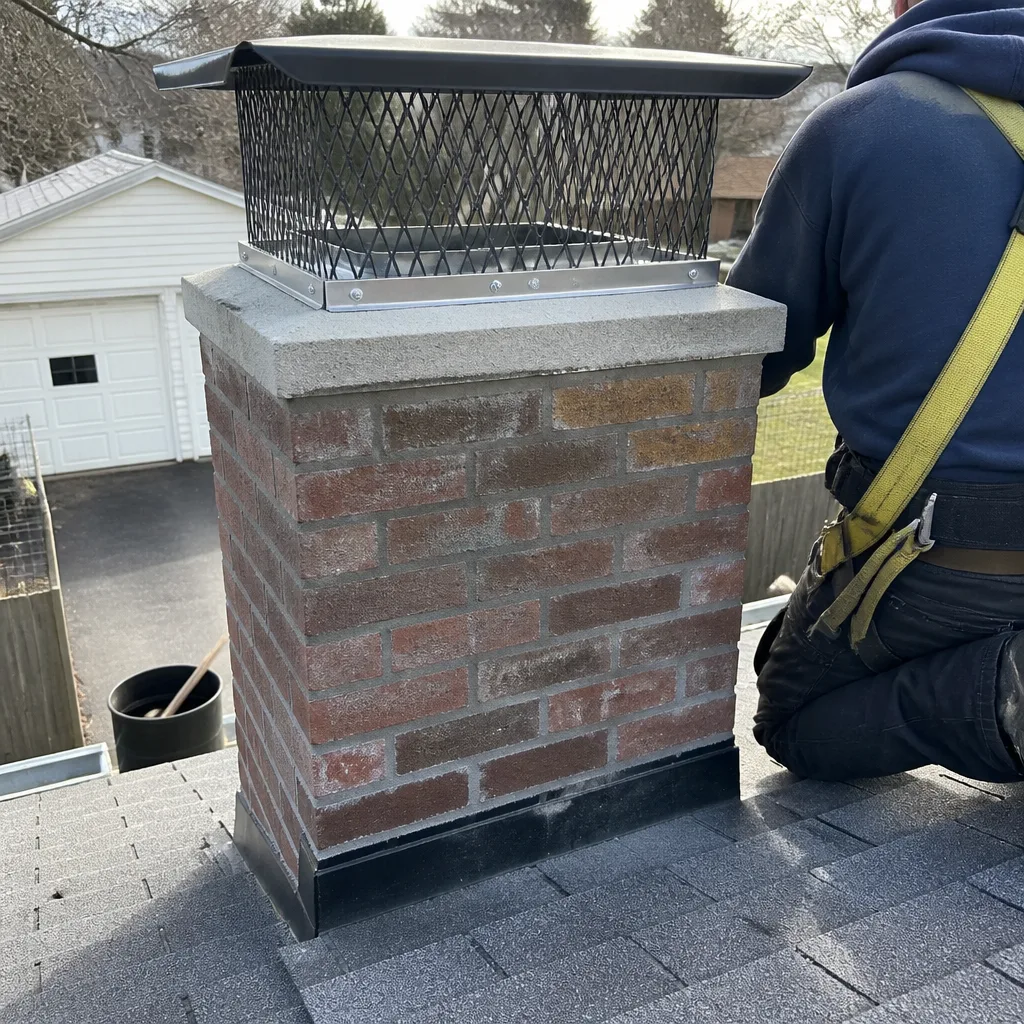 After
AfterDIY vs Professional Chimney Cleaning: The Deer Park Homeowner’s Decision Guide
Here’s a number that surprises most Deer Park homeowners: a professional chimney sweep in Suffolk County carries between $1,500 and $4,000 worth of specialized equipment to a job that looks, from the outside, like a guy with a wire brush on a stick. The brush matters less than what it’s attached to. What you’re actually paying for is the training to read what comes down the flue, the camera that sees what your eyes can’t, and the judgment to know when a dirty chimney is actually a damaged one. This guide walks through what a Deer Park homeowner can safely tackle with a DIY kit, what genuinely requires a trained sweep, and the three specific conditions that should make you set the rods down and pick up the phone. For how to hire a chimney cleaning contractor in Deer Park: a step-by-step guide, see our companion resource.
Quick Answer
For most Deer Park homeowners, basic firebox cleaning and ash removal are safe DIY tasks and should be done regularly during burning season. Full flue sweeping is different: a professional chimney cleaning in Deer Park typically costs $180 to $350 and includes a camera inspection that catches cracked liners, hidden blockages, and glaze-stage creosote that a store-bought brush kit simply cannot address. See our chimney cleaning cost breakdown: the Deer Park homeowner’s reference for 2026 for detailed pricing. If you burn more than a cord of wood per season, have a prefab fireplace from the 1980s to 2000s, or haven’t had the flue inspected in over two years, hire a certified sweep.
Table of Contents
- What DIY Chimney Maintenance Can Safely Cover
- What DIY Kits Cannot Do, No Matter How Thorough You Are
- The Real Cost Comparison: DIY Kits vs. Professional Cleaning
- The Three Things That Should Stop a DIY Sweep Immediately
- Prefab vs. Masonry: Why Your Deer Park Fireplace Type Changes the Rules
- The Insurance Reality: What Happens When a Chimney Fire Follows DIY Work
- Why Long Island’s Climate Makes Deer Park Chimneys Different
- Common Mistakes to Avoid
- When to Call a Professional
- Frequently Asked Questions
What DIY Chimney Maintenance Can Safely Cover
Let’s start with what you can absolutely do yourself, because a lot of chimney maintenance has nothing to do with the flue and everything to do with the firebox. In our experience across Deer Park, maybe half the calls we get for “dirty chimneys” are really just dirty fireboxes, and that’s a ten-minute job with a shop vacuum and a wire brush.
Here’s the honest list of DIY-safe tasks for a Deer Park homeowner:
- Ash removal. Wait until the ashes are fully cold (at least 72 hours after the last fire), then shovel them into a metal bucket with a tight lid. Never use a plastic bucket or a paper bag. Coals can smolder for days.
- Firebox cleaning. A stiff-bristle brush and a shop vac get most surface soot out of the firebox floor and walls. Do this weekly during heavy burn months.
- Damper check. Open and close the damper a few times. If it sticks, grinds, or won’t seal fully, that’s a repair call. A damper that won’t close properly lets heated air escape up the flue all winter.
- Visual inspection of the firebox brick. Look for crumbling mortar, cracks wider than a dime, or bricks that have shifted. Firebrick that’s spalling (flaking off in layers) means heat damage and needs professional assessment.
- Smoke alarm and carbon monoxide detector testing. Once a month during burn season. This isn’t chimney maintenance exactly, but it’s the cheapest insurance you’ll ever buy.
- Cap and crown check from the ground. With binoculars, you can often see if your chimney cap is missing, tilted, or clogged with leaves. You cannot safely assess the crown this way, but you can spot obvious problems.
A note on ladders and roofs: we don’t recommend any Deer Park homeowner climb onto a roof to inspect or clean a chimney. Steep pitches, wet leaves, and Long Island’s freeze-thaw cycles make rooftop work genuinely dangerous. Even our own crew uses harnesses and roof anchors on most Deer Park homes. If ground-level inspection suggests a problem up top, that’s the moment to call someone who’s insured to work at height.
What DIY Kits Cannot Do, No Matter How Thorough You Are
Now for the part most guides blur over. A DIY chimney sweep kit (the kind you’ll find at Home Depot or on Amazon for $40 to $120) consists of flexible rods, a round wire brush, and sometimes a drop cloth and a plastic tarp. Here’s what that kit cannot do, mechanically speaking:
It cannot remove third-degree creosote. Creosote forms in three stages. First-degree is fluffy soot that brushes off easily. Second-degree is dark, granular, and flaky. Third-degree is a hard, shiny glaze that looks like black glass and cannot be removed with a brush. It requires chemical treatment, rotary chains, or in severe cases, professional-grade solvents applied over multiple visits. A brush across third-degree creosote does nothing except polish it.
It cannot see what it’s cleaning. A DIY sweep from the top down or bottom up is working blind. You cannot tell whether you’ve actually removed all the creosote, whether there’s a cracked flue tile behind the soot, whether an animal has nested mid-flue, or whether a section of liner has separated. The first time any of those conditions is visible is usually when smoke backs up into the house or a chimney fire starts.
It cannot document anything. Insurance companies and home inspectors want records. If you sell your Deer Park home, the buyer’s inspector will ask when the chimney was last cleaned and inspected. “I did it myself with a kit from Amazon” is not documentation. A receipt from a certified sweep with a condition report is.
It cannot handle a flue that hasn’t been cleaned in more than three years. Creosote builds in layers. What starts as stage-one soot converts to stage-two granules under repeated heat cycles, and then to stage-three glaze as those granules harden and fuse. The longer between cleanings, the more likely you’re dealing with the hardened stuff. An annual professional cleaning keeps you in stage-one territory, where the work is quick and relatively inexpensive. Let it go five years, and you may be looking at a $600+ professional job with chemical treatment, or worse, a liner replacement.
The real question isn’t whether a DIY kit works. It’s whether you can know if it worked. And without a camera, you can’t.
The Real Cost Comparison: DIY Kits vs. Professional Cleaning
Let’s do the actual math, because most articles hand-wave this. Here’s what a Deer Park homeowner pays for a mid-range DIY setup versus one professional sweep:
| Item | DIY Cost | Professional Cost |
|---|---|---|
| Brush, rods, drop cloth kit | $60-$120 (one-time) | Included in sweep |
| Shop vacuum with HEPA filter | $80-$150 (if you don’t already own one) | Not needed |
| Ladder and roof safety gear | $150-$400 (if actually done safely) | Not needed |
| Camera inspection | Not available to homeowners | Included with professional sweep |
| Actual cleaning labor | 3-5 hours of your time | 45-90 minutes |
| Disposal of creosote | You handle it | Handled |
| Total first-year outlay | $290-$670 | $180-$350 |
Now, the break-even argument. If you burn only a half-dozen fires per year in a masonry fireplace, and you do a careful visual check of the flue with a mirror and flashlight before burn season, and you clean the firebox religiously, then yes: a DIY brush kit might eventually pay for itself in year two or three. We’re not going to tell you otherwise, because it’s true.
But here’s what most break-even math misses. A professional sweep in Deer Park includes a camera inspection that typically costs $75 to $150 as a standalone service. That camera has, in our experience, caught cracked flue tiles, separated liner sections, bird nests, squirrel nests, and one wedding ring (we returned it) that a homeowner with a brush kit would never have found. The brush kit finds dirty. The camera finds broken. Those are different problems with very different price tags, and catching broken early is how you avoid a $3,000 liner job or a $12,000 firebox rebuild.
If you burn more than one cord of wood a season, the equation flips hard toward professional. Frequent fires produce more creosote, more quickly, and in denser layers. The time you’d spend DIY sweeping three or four times a season, plus the risk of missing glaze-stage buildup, makes professional cleaning the cheaper option in both time and actual dollars.
For more detail on what a professional sweep includes, see our Chimney Cleaning & Sweep in Deer Park page.
The Three Things That Should Stop a DIY Sweep Immediately
If you start a DIY sweep and encounter any of these three conditions, set the rods down. These aren’t “good to know” suggestions. They’re hard stop signs, and ignoring them turns a $250 cleaning into a $1,400 repair.
- You see shiny, tar-like buildup on the brush when you withdraw it. That’s third-degree creosote, and brushing it is about as effective as sanding glass. Worse, scraping at glaze can damage the flue liner surface. Chemically treating third-degree creosote requires products applied by a professional who can monitor the conversion over multiple visits.
- The brush hits something solid and won’t move past it. A properly installed flue is a straight, unobstructed channel. If your brush jams at a point that isn’t the damper, you may have an animal nest, a collapsed flue tile, a dislodged liner section, or severe creosote bridging. Force it and you risk turning a blockage into a breach.
- Debris coming down the flue includes chunks or flakes that look like tile or mortar, not just soot. That means your flue liner is degrading from the inside. Clay tile liners crack under thermal stress and from water intrusion, common in Deer Park’s freeze-thaw winters. Pieces of tile coming down means the liner is actively failing, and continuing to burn is a carbon monoxide risk as much as a fire risk.
In any of those three situations, the right move is to stop, close the damper, and call a sweep who carries a video inspection camera. You’re not surrendering; you’re reading the evidence correctly. Your flue doesn’t care how the fire looks. It cares how it breathes.
Prefab vs. Masonry: Why Your Deer Park Fireplace Type Changes the Rules
Deer Park’s housing stock matters here. A lot of the homes built between the early 1980s and late 2000s, particularly in developments around Grand Boulevard and the side streets off Deer Park Avenue, came with prefabricated zero-clearance fireplaces. These aren’t masonry fireplaces with brick and mortar; they’re factory-built metal boxes with a double- or triple-wall metal flue pipe running to a metal chimney cap. They look like a regular fireplace from the outside, but the internals are entirely different.
That difference changes the DIY equation in three ways:
First, replacement parts are proprietary. A masonry fireplace uses standard firebrick and clay flue tiles. If a tile cracks, a mason cuts a new one. A prefab unit uses model-specific parts: particular refractory panels, specific chimney pipe rated to the unit, matching chimney caps. Homeowners trying to DIY a prefab chimney often learn the hard way that generic parts don’t fit, and forcing them creates dangerous clearances to combustibles.
Second, the safety margins are tighter. A masonry chimney has mass. It absorbs heat slowly and releases it slowly, which is forgiving. A prefab fireplace is engineered metal with specific clearance requirements to the framing around it. When a prefab unit fails, it fails by overheating the wood framing behind it. DIY work that seems fine, like using a brush that’s slightly too large or hammering at a dented section of pipe, can warp the metal and compromise those clearances.
Third, prefab flues are far harder to inspect without a camera. Masonry flues are straight, rectangular channels. You can shine a flashlight up and see the condition of the tiles. Prefab flues are round metal, often with internal corrugation that traps creosote in ways a brush can’t fully reach, and the joints between pipe sections are where failure starts. That’s a camera job, not a mirror-and-flashlight job.
If you own a Deer Park home with a prefab fireplace, we recommend professional-only cleaning of the flue itself. Clean the firebox, check the damper, manage your ash, but leave the pipe to someone who knows your specific unit. The stakes aren’t theoretical. Prefab unit failures are one of the leading causes of house fires in Suffolk County according to our colleagues in the fire service, and improper cleaning is a common contributing factor.
The Insurance Reality: What Happens When a Chimney Fire Follows DIY Work
This is the section most DIY guides skip, and it’s arguably the most important for a Deer Park homeowner. Here’s the situation in plain terms:
If you clean your own chimney, and then a chimney fire occurs, and you file an insurance claim, the insurance company will ask for documentation. Specifically, they’ll want a receipt or service report from a licensed, certified chimney professional showing the flue was cleaned and inspected within the preceding 12 months. If you cannot produce that, your claim may be denied or reduced on the basis of negligent maintenance.
This isn’t hypothetical. Insurance adjusters in New York State are familiar with chimney fire claims, and “I cleaned it myself” is treated about the same as “I wired the addition myself.” You may be highly capable, but without third-party documentation, the insurer has no evidence of proper maintenance and every incentive to deny the claim.
The math makes this particularly grim. A chimney fire in a Deer Park home typically involves:
- Structural damage to the chimney and surrounding framing: $8,000 to $40,000
- Smoke and soot remediation throughout the house: $5,000 to $25,000
- Temporary housing during repairs: $3,000 to $15,000
- Demolition and rebuild if the fire reaches the roof structure: $60,000+
Now compare that to the $180 to $350 cost of an annual professional sweep with documentation. The insurance question isn’t really about whether you can clean a chimney. It’s about whether you can prove you did. The camera footage and a plain-English verdict, every time, no exceptions, is part of what a professional sweep should deliver. If your DIY kit can’t produce that documentation, the risk math is easy.
Why Long Island’s Climate Makes Deer Park Chimneys Different
Deer Park sits in a climate zone that’s unusually hard on chimneys. We’re far enough north to get real freezes, close enough to the Atlantic to get heavy humidity, and subject to enough seasonal temperature swing that masonry expands and contracts constantly. Here’s what that means in practical terms:
Freeze-thaw cycling damages crowns and mortar joints faster than inland climates. Water seeps into tiny cracks, freezes, expands, and widens those cracks. Over a decade, a hairline crown crack becomes a channel for water intrusion into the flue and the attic framing. Deer Park chimneys that go five years without a crown inspection are routinely found with spalling brick and failed mortar.
Humidity accelerates creosote conversion. Creosote absorbs moisture from the air. High-humidity summers along Long Island don’t just make the creosote smell worse; the moisture chemically accelerates the conversion of stage-two creosote to stage-three. A chimney that would stay in fluffy stage-one territory in a dry climate can harden to glaze-stage quite quickly in Deer Park’s summer humidity, even with moderate burning.
Wind-driven rain and nor’easters push water into caps that would be adequate elsewhere. A standard cap that works fine for a homeowner in Arizona fails regularly on the South Shore. The combination of high wind and horizontal rain during coastal storms overwhelms ordinary caps, and that water goes directly onto the damper and into the firebox.
That climate reality is why we recommend annual inspection even in years when you barely burn. Once a year, burn or no burn. Chimneys break in the off-season too. A Deer Park homeowner who burns only a few fires each winter can still have a crown failure or a water-damaged liner that goes unnoticed until it’s expensive.
For the full picture on what a chimney inspection covers and why an annual check matters in our climate, see our Top Hat Chimney home page.
Common Mistakes to Avoid
- Assuming a clean firebox means a clean flue. They’re different systems. Your firebox can be spotless while three feet of creosote clings to the flue walls two stories up. The only way to know is to clean or inspect the full flue height.
- Buying the cheapest brush kit and calling it a day. Undersized brushes leave creosote on the flue walls. Oversized brushes jam inside prefab pipes. If you’re going to DIY, match the brush diameter to your flue’s actual interior dimensions.
- Cleaning from the top without roof anchors or a spotter. More chimney cleaning injuries in Suffolk County come from ladder falls than from the cleaning itself. If you can’t safely access the roof, clean from the bottom with a soot trap, or call someone who’s insured for height work.
- Burning wet or unseasoned wood and expecting cleaning to compensate. Green wood produces dramatically more creosote than seasoned hardwood. A Deer Park homeowner burning unseasoned oak is fighting an uphill battle no brush, professional or DIY, can win.
- Skipping the carbon monoxide check. Blocked or failed flues kill silently. If your home doesn’t have working CO detectors on every sleeping floor, fix that before you light the first fire of the season.
- Ignoring the damper because “it still opens.” Dampers that open but won’t seal fully waste enormous amounts of heated air all winter. A warped or misaligned damper is a cheap repair compared to a season of heat escaping up the chimney.
- Using chemical creosote logs as a substitute for cleaning. Those products can loosen stage-one creosote, but they don’t remove it from the flue. Loose creosote falls to the smoke shelf or damper area and becomes a fire hazard in a different location.
When to Call a Professional
Here’s the short version. Call a professional chimney sweep in Deer Park if: you see glaze-stage creosote on your brush, you’ve burned more than a cord of wood since the last cleaning, you own a prefab fireplace and haven’t had the flue camera-inspected in two years or more, your damper sticks or won’t seal, you see water stains on the ceiling near the chimney, your smoke alarms triggered during the last fire, or you’re buying or selling a Deer Park home and need documentation for the transaction. None of these are emergency calls, but all of them are calls you should make before burn season, not during it. Top Hat Chimney offers free estimates in Deer Park. Call (631) 214-2108 and the number you get on the phone is the number on the invoice, before a single tool comes off the truck.
Frequently Asked Questions
A professional chimney sweep in Deer Park typically costs $180 to $350 for a standard cleaning, with camera inspection included in the price from most reputable local sweeps. Homes with heavy creosote buildup, animal removal, or prefab flues that require specialized tools may run $400 to $600. Call (631) 214-2108 for an exact quote; estimates at Top Hat Chimney are always free and always before work begins.
Once a year, burn or no burn. Even if you light only a few fires each winter, Long Island’s freeze-thaw cycles and summer humidity degrade chimneys in ways that have nothing to do with how much you burn. Annual cleaning also catches stage-one creosote before it converts to hardened glaze. If you burn more than two cords a season, a mid-season inspection is worth considering.
You can clean the firebox and remove ash yourself, and for a homeowner who burns lightly in a masonry fireplace, a DIY brush kit used carefully can remove stage-one creosote. What you can’t do yourself is inspect the flue with a camera, identify damage behind soot, treat third-degree creosote, or document the cleaning for insurance purposes. Those limitations are why most Deer Park homeowners who burn regularly still get a professional sweep annually.
A camera inspection is the single most valuable part of a professional chimney cleaning. It’s the difference between “we removed the soot” and “we removed the soot and found a cracked flue tile that would have become a house fire.” Without a camera, no sweep can see the condition of the liner behind the creosote. Any sweep in Deer Park who doesn’t include camera inspection is selling you half the job.
Creosote builds in layers and converts from fluffy soot to hardened glaze. After three to five years of skipped cleanings, you’re likely dealing with stage-two or stage-three creosote that requires chemical treatment or rotary cleaning, at two to three times the cost of a standard sweep. You’re also more likely to have an animal nest or a liner issue that’s been silently worsening. The cheapest sweep is the one you schedule every year.
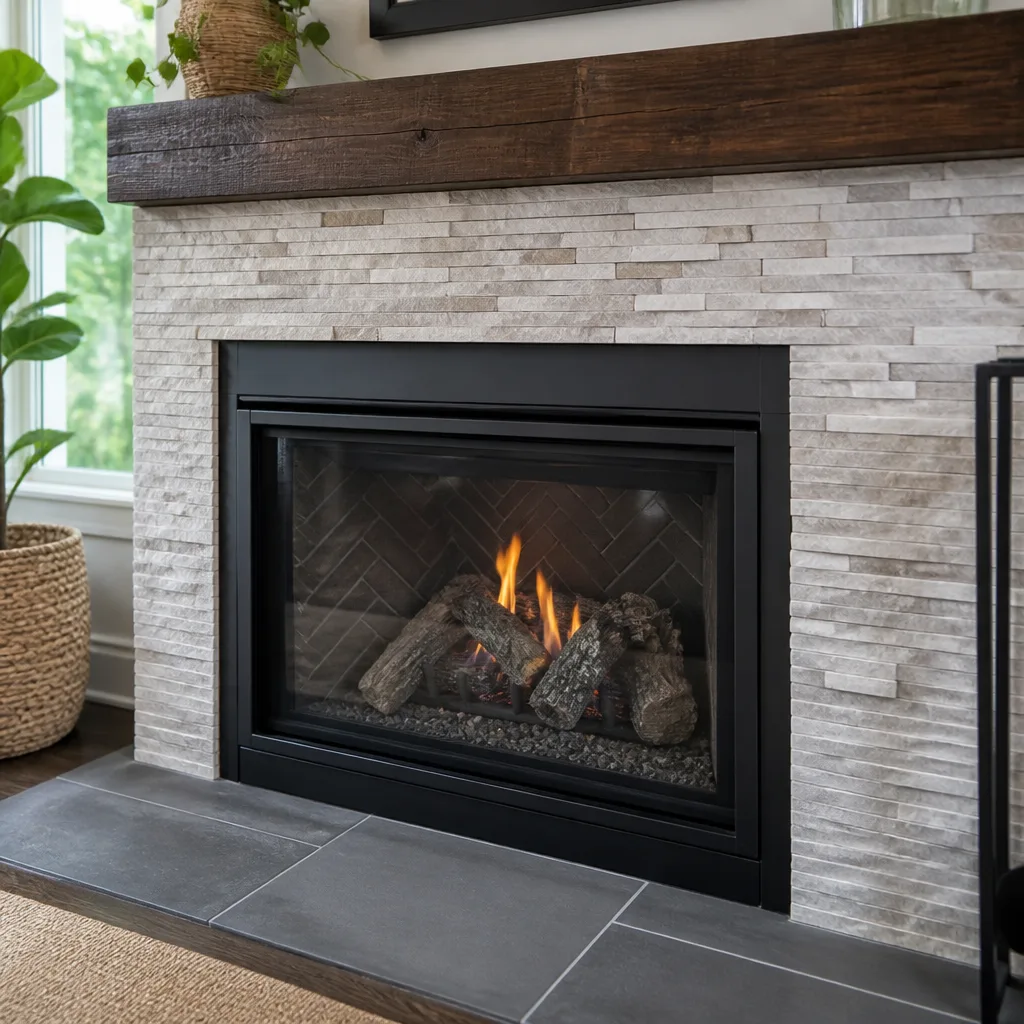
Gas fireplaces produce far less creosote than wood, but they still need annual inspection for vent blockage, carbon monoxide leaks, and the condition of the venting system. In Deer Park, birds and squirrels frequently nest in gas fireplace vents during the off-season, and a blocked vent is a carbon monoxide risk. If you have a gas insert, annual professional inspection is still recommended. See our Fireplace Services in Deer Park page for details.
A chimney sweep cleans the flue, firebox, and cap, and inspects for damage. Chimney repair addresses the damage once it’s found: cracked flue tiles, failed crowns, deteriorated mortar, liner replacement, and firebox rebuilds. Many Deer Park homeowners discover repair needs during routine sweeps, which is exactly why annual cleaning is so valuable. It’s how you catch a $300 problem before it becomes a $3,000 one. Learn more on our Chimney Repair in Deer Park page.
The Bottom Line
Most Deer Park homeowners can safely handle firebox cleaning, ash removal, and basic damper checks without hiring anyone. That’s real maintenance you should be doing during burn season. The flue itself is a different matter. It’s the part of the system you can’t see, the part that fails silently, and the part that makes the difference between a contained fire and a house fire. If you burn lightly in a masonry fireplace and want to try a DIY kit, use it carefully and know its limits. If you burn regularly, own a prefab unit, or haven’t had a camera inspection in two years or more, hire a certified sweep. The best compliment we get from Deer Park customers isn’t “the chimney looks great.” It’s “thanks for telling me I didn’t need the repair.” That’s the standard. Ask anyone on your street, or browse more guides & resources on keeping your chimney safe.
Written by Wendell Pike, Owner at Top Hat Chimney, serving Deer Park since 1999.