

Last updated September 10, 2026
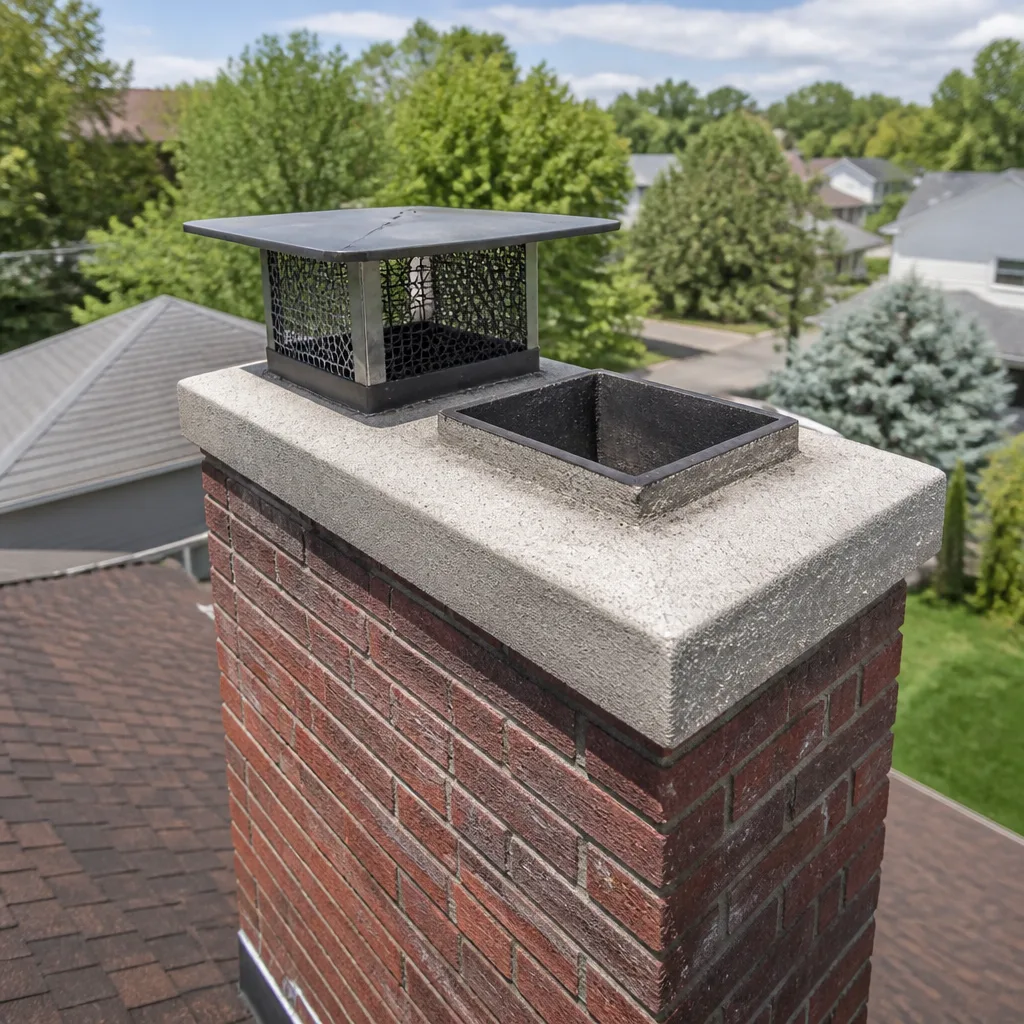
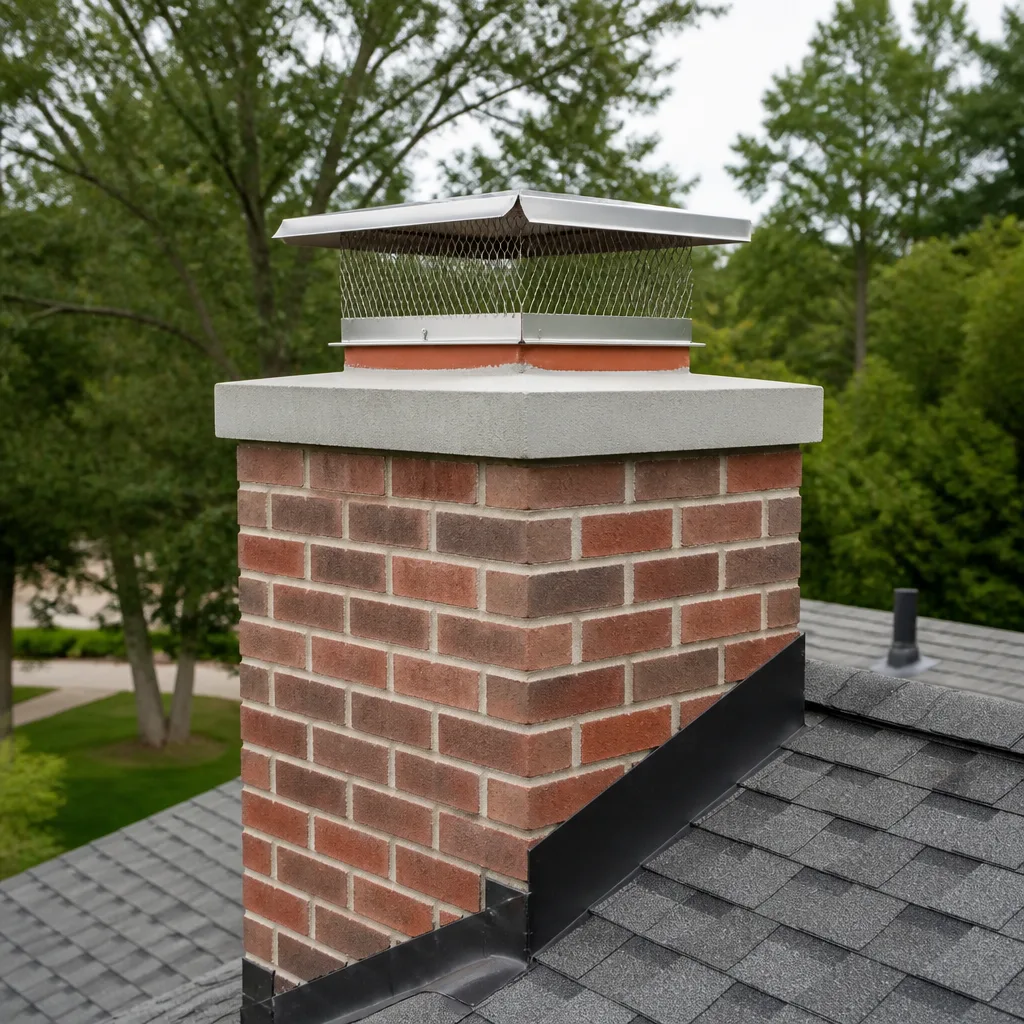
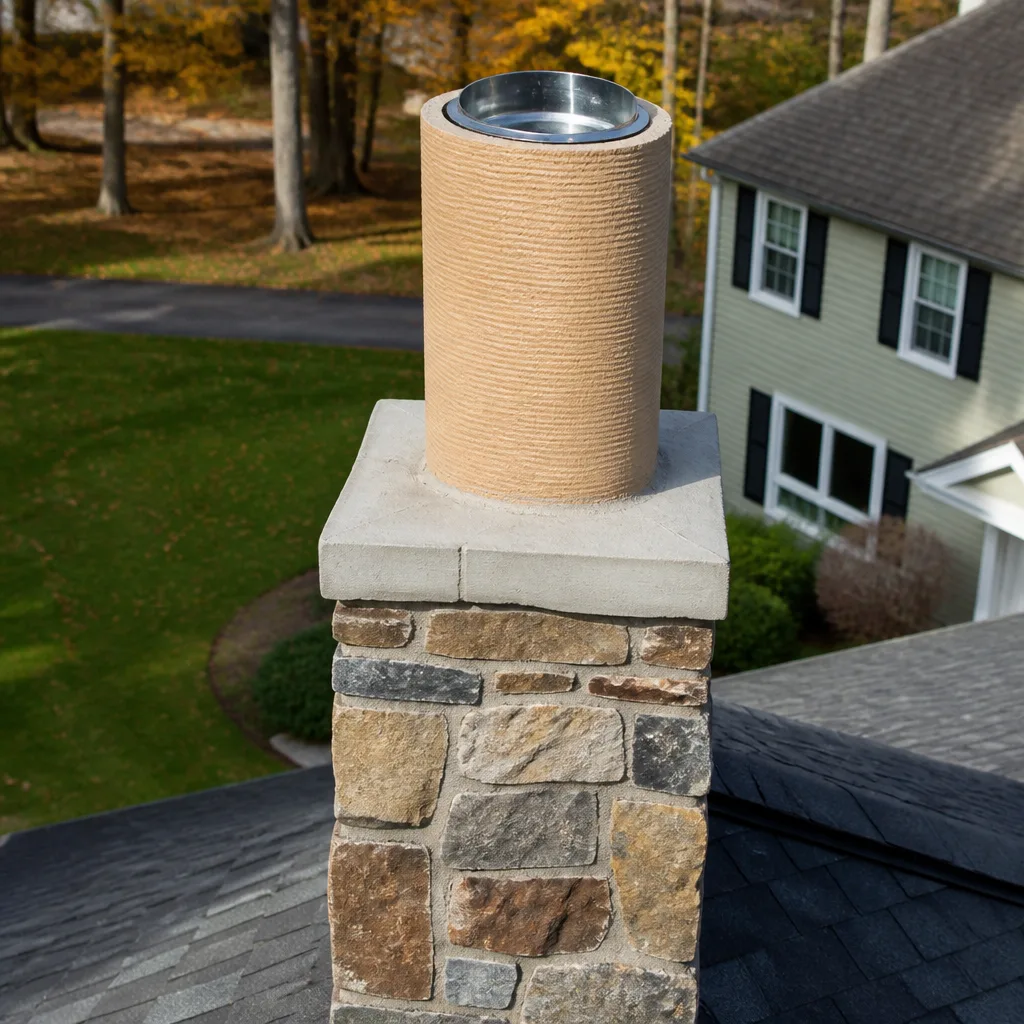
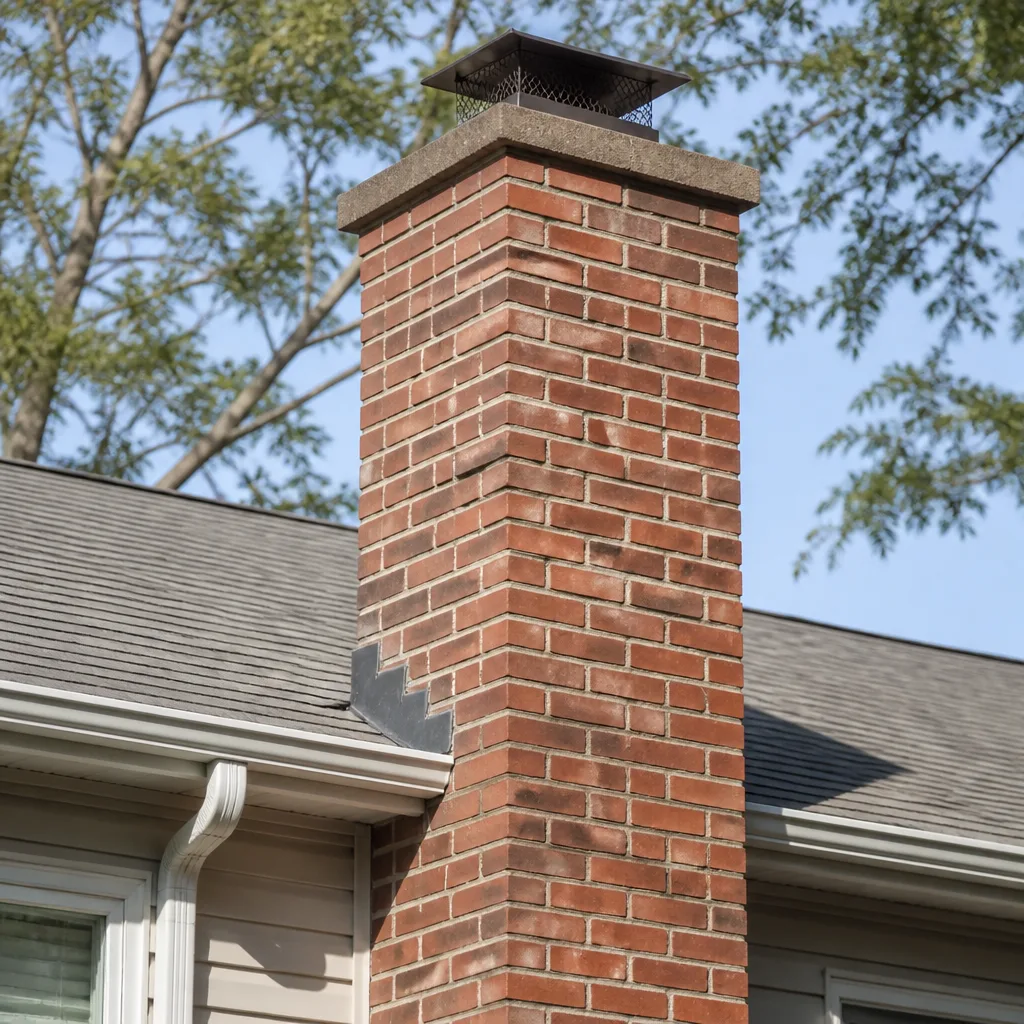
Level 1 sweep and inspection to the NFPA 211 annual standard - flue, crown, cap, and flashing checked and photographed
Chimney sweep logs do not sweep chimneys. They loosen some creosote - which then falls where a brush and vacuum still have to collect it.
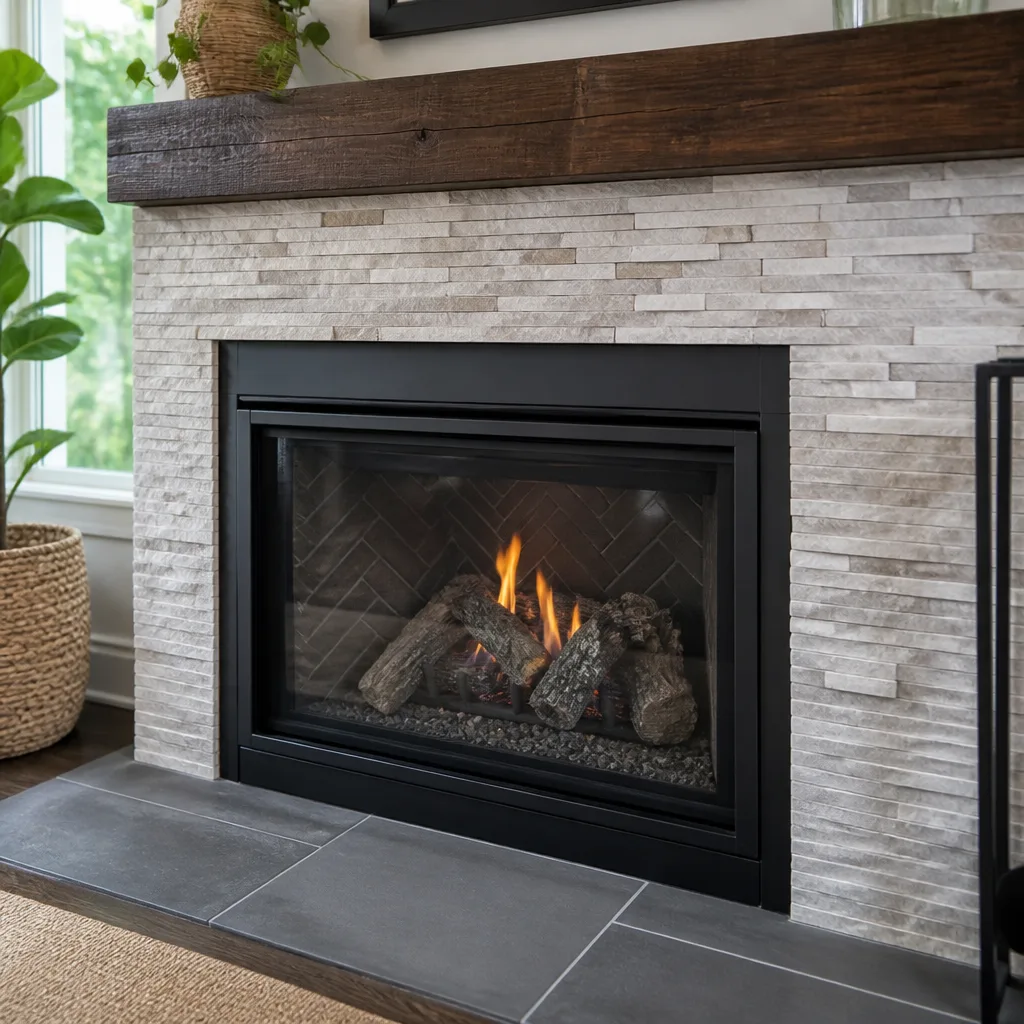
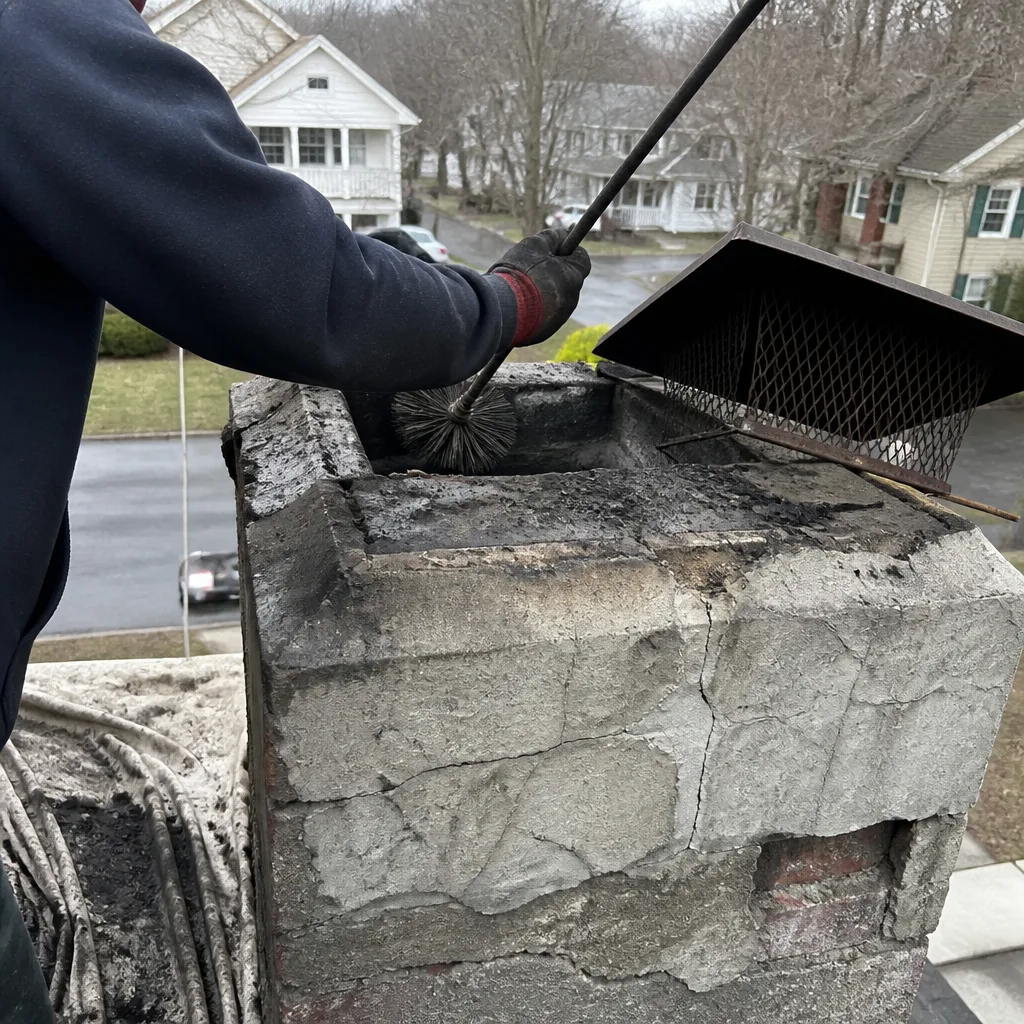 Before
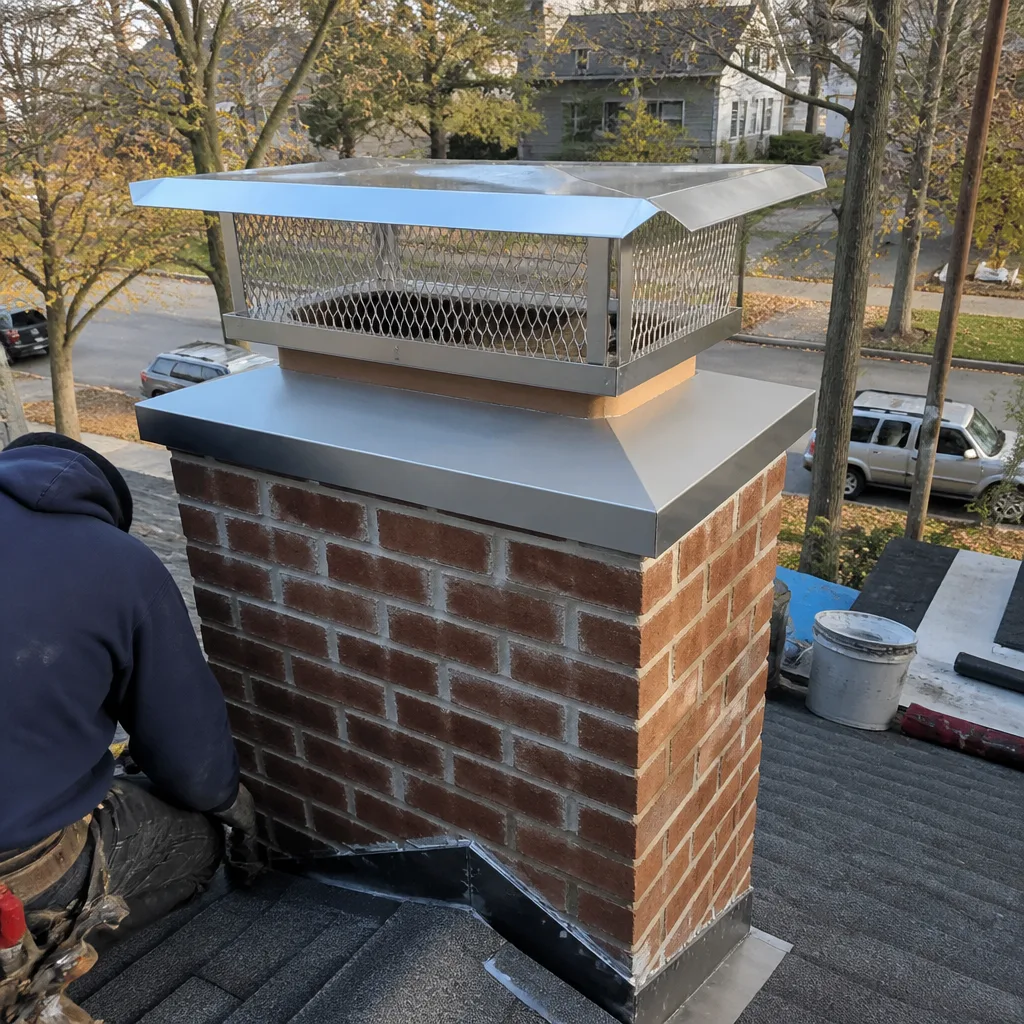 After
After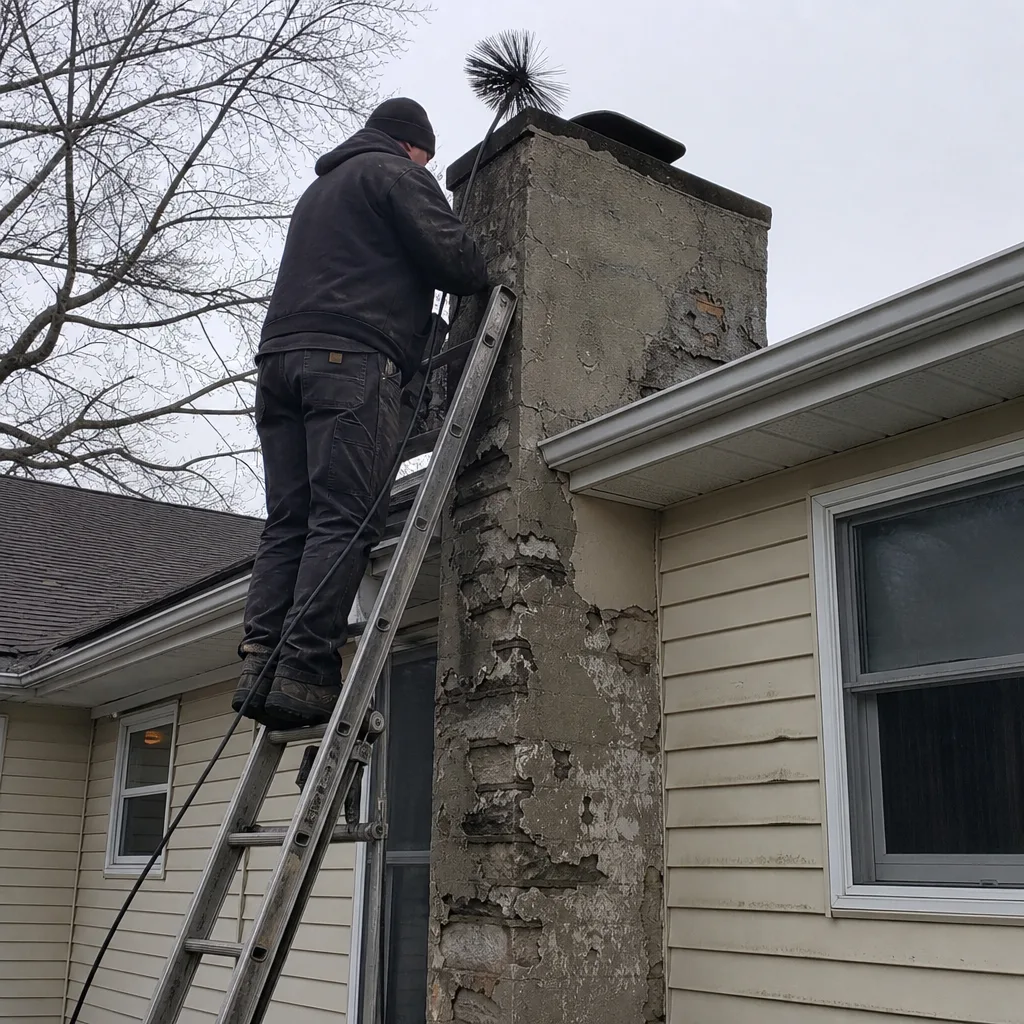 Before
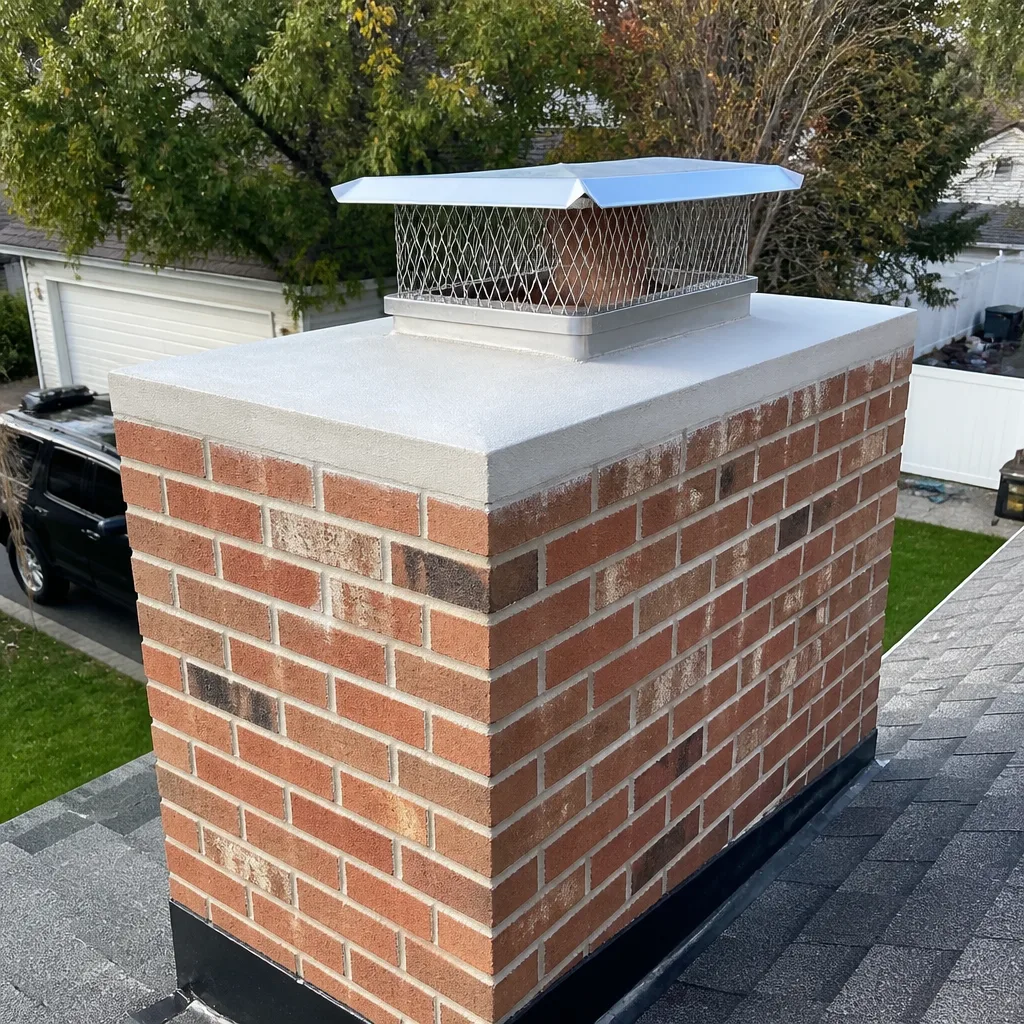 After
After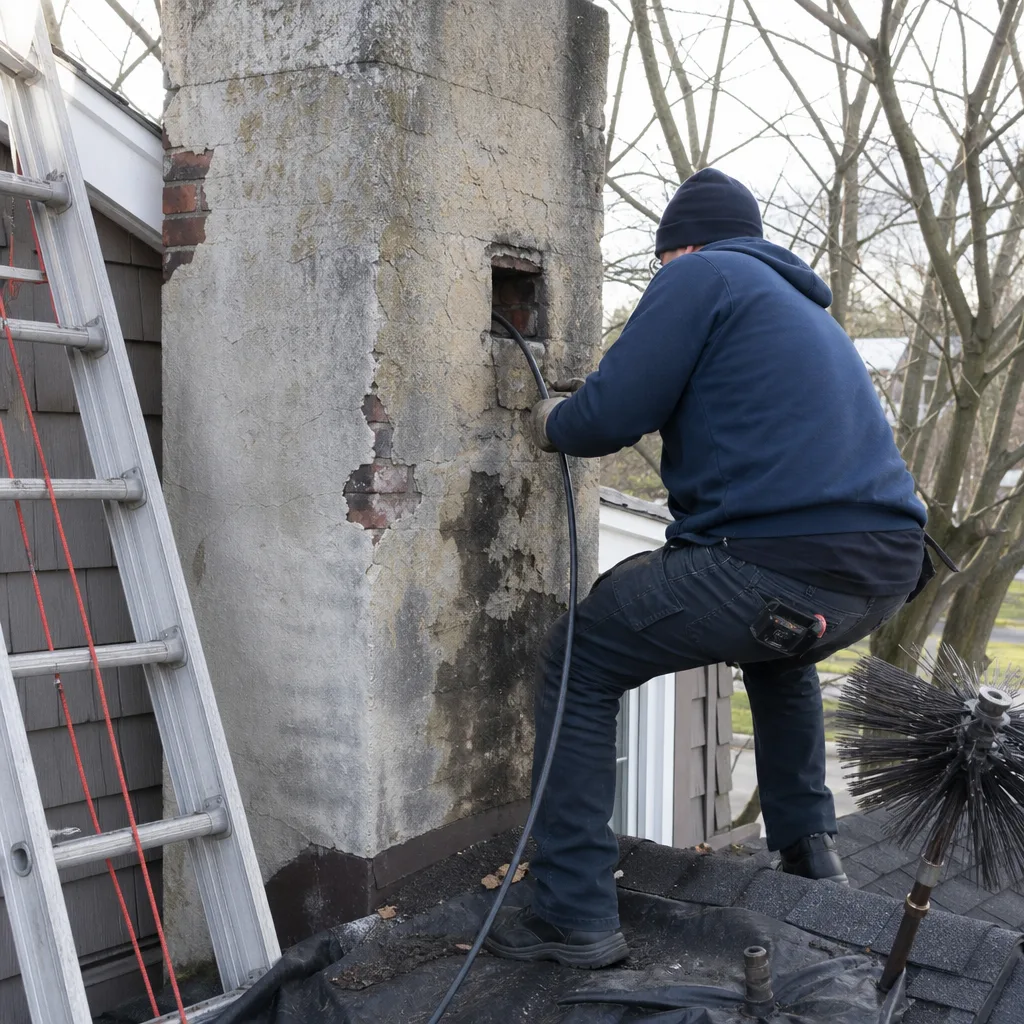 Before
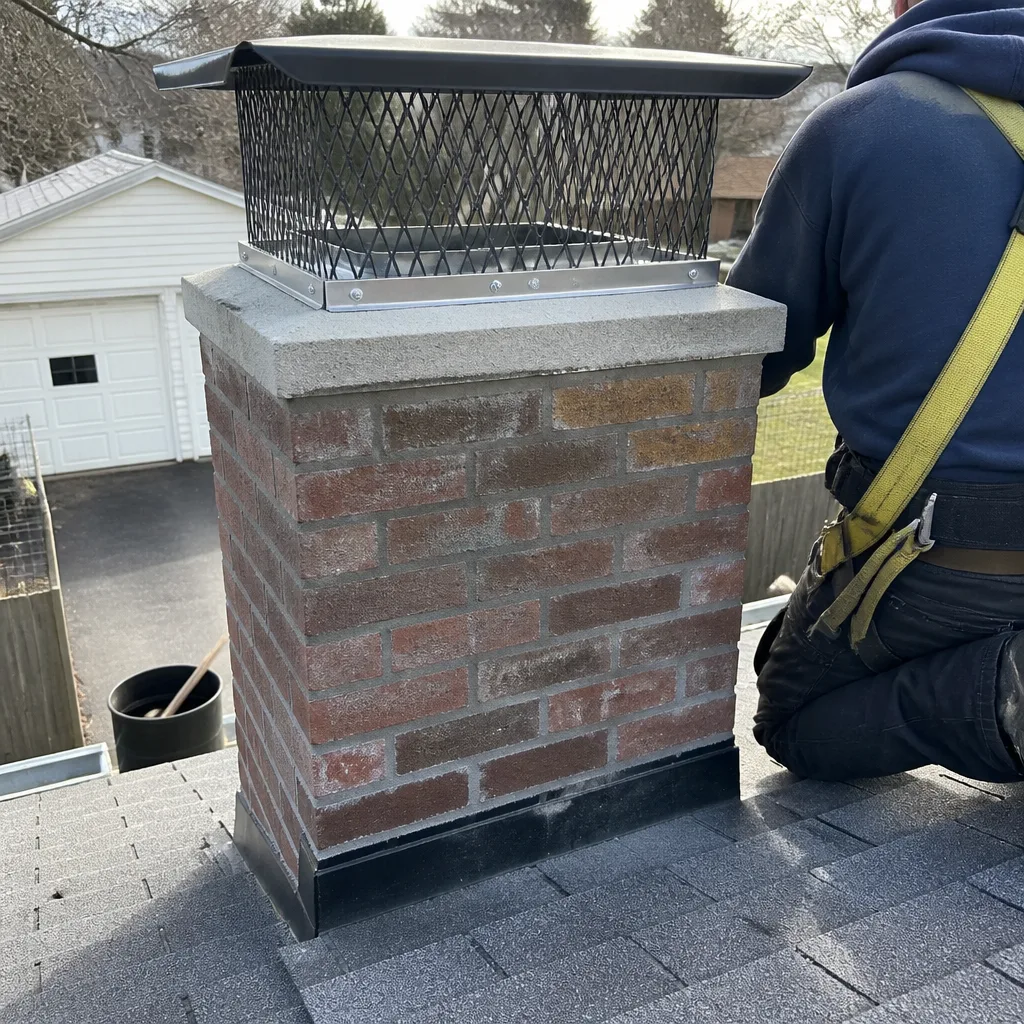 After
AfterThe Complete Guide to Chimney Cleaning in Deer Park
The house three blocks from yours burned in 2019. The sweep who came out afterward said the flue hadn’t been cleaned in four years, but the homeowner had a receipt showing it was “inspected” the season before. Those are two very different things, and most people in Deer Park don’t know the difference until it’s too late. This guide is written for this zip code, not every zip code. You’ll learn what coastal Long Island air does to your flue, how to read a cleaning receipt so you know what was actually done, why the oil-to-gas conversion boom changed what we find inside Suffolk County chimneys, and when a sweep is genuinely necessary versus when you’re being sold work you don’t need.
Quick Answer
Chimney cleaning in Deer Park NY should happen once a year, burn or no burn, and typically costs $180 to $340 for a standard sweep with a Level 1 inspection. Homes closer to the Great South Bay or the Sound often need more attention because salt-moisture cycling hardens creosote faster than in inland areas. If you haven’t had the flue looked at in two years or more, start with a Level 2 camera inspection before you light another fire.
Table of Contents
- Why Deer Park Chimneys Are Different
- The Three Levels of Chimney Inspection: What Actually Happens at Each One
- What a Chimney Cleaning Actually Involves, Step by Step
- How Much Does a Chimney Cleaning Cost in Deer Park?
- Oil-to-Gas Conversions and What They Left Behind in Suffolk County Flues
- How to Read a Chimney Cleaning Receipt So You Know What Was Done
- The 1960s Prefab Problem: Deer Park’s Original Fireplaces Are Aging
- How Often Should You Really Clean Your Chimney in Deer Park?
Why Deer Park Chimneys Are Different
Generic chimney guides online are written for someone in Ohio or Arizona. They don’t account for what we deal with here on Long Island. Deer Park sits about seven miles from the Great South Bay and roughly the same distance from the Sound, and that geography changes how creosote behaves inside a flue. Here’s the mechanic of it: salt-laden air carries moisture into your chimney, and that moisture cycles with every heating and cooling of the masonry. When creosote forms, it’s not the dry flaky stuff you see in inland areas. It’s often stickier, denser, and it glazes onto the flue walls faster. First-degree creosote is a brush job. Third-degree is a glaze. Around here, the window between those two stages is shorter than any national guide will tell you.
We’ve also got a housing stock issue. A large portion of Deer Park homes were built in the 1950s through the 1970s. That means original terra cotta flue liners that are now 50 to 70 years old, prefab fireplaces from an era when metal fireboxes were assembled with less stringent clearance standards, and masonry that has absorbed decades of freeze-thaw cycles. Long Island winters don’t drop to Minnesota temperatures, but they swing enough around freezing to work cracks into brick and mortar over time. When salt moisture gets into those cracks and then freezes, the spalling gets worse. Your flue doesn’t care how the fire looks. It cares how it breathes. And in Deer Park, the air it breathes is saltier and wetter than the national average. That’s the starting point for everything else in this guide.
If you want the full service breakdown, our Chimney Cleaning & Sweep in Deer Park page walks through exactly what a sweep includes and what it costs in this market. For now, let’s get into the inspection levels, because that’s where the difference between “inspected” and “cleaned” gets sorted out.
The Three Levels of Chimney Inspection: What Actually Happens at Each One
Most homeowners don’t know there are three distinct levels of chimney inspection defined by the National Fire Protection Association. When someone hands you a receipt that says “inspected,” the only question that matters is which level. If they can’t tell you, that’s your answer.
Level 1: The Visual Check That Comes With Every Sweep
A Level 1 inspection is what happens during a standard cleaning. The sweep looks at the accessible portions of the chimney, the firebox, the damper, the cap if there is one, and the interior of the flue with a light. No cameras, no ladders onto the roof, no removal of any components. It confirms that the chimney is basically sound and that nothing has changed since the last service. For a Deer Park home with a fireplace that works the same way it always has and gets swept every year, a Level 1 is usually enough. It catches the obvious stuff: heavy creosote, a missing cap, a cracked damper, animal debris near the top.
Level 2: The Camera Inspection
A Level 2 inspection involves a video camera run through the entire flue, plus access to the roof, attic, and crawlspace areas around the chimney. It’s required by code any time you’re buying or selling a home, after any chimney fire, after a lightning strike or major storm, or when you’re changing the fuel type in the appliance. The camera sees what a flashlight misses: hairline cracks in terra cotta liners, gaps between sections, hidden creosote glaze behind a bend, or a prefab fireplace’s metal flue beginning to separate. We recommend a Level 2 for any Deer Park homeowner who has not had the chimney inspected in two years or more, because salt-moisture damage shows up in the places you can’t see from the hearth. The camera footage and a plain-English verdict, every time, no exceptions.
Level 3: When a Tool Comes Out
A Level 3 inspection is rare. It’s called when a Level 1 or Level 2 finds something that requires removing part of the chimney or surrounding structure to see clearly, like a section of masonry wall or an inaccessible flue area. This is invasive work, always done after you’ve seen the footage that justifies it. Nobody should be cutting into your chimney on a hunch. If a sweep tells you a Level 3 is needed, ask to see the camera evidence first. Any honest professional will show it to you.
The point of knowing these levels is that the word “inspection” is not one thing. When you read about a Deer Park house fire where the owner had a receipt, chances are that receipt said Level 1, and a Level 1 doesn’t see everything. It wasn’t designed to. That’s not failure, it’s just the wrong tool for the wrong question.
What a Chimney Cleaning Actually Involves, Step by Step
Here’s what a proper chimney sweep looks like when it’s done by someone who takes the job seriously. This is the full sequence for a standard open fireplace in a Deer Park home:
- Prep the work area. Drop cloths go down around the hearth, and the firebox is sealed off with a high-powered vacuum running negative pressure so soot doesn’t enter the living room.
- Protect the room. A proper sweep will not let a single flake of creosote dust settle on your furniture. If the floor isn’t protected, walk away.
- Inspect the damper and firebox. Before any brush goes up the flue, the damper throat, smoke shelf, and firebox are checked for cracks, warping, or debris.
- Run the brush from the bottom or from the roof. The flue is scrubbed with a properly sized wire or poly brush, depending on your liner type. Terra cotta liners need a different brush than stainless steel.
- Clean the smoke shelf and damper. This is the area most DIYers miss and most lazy sweeps skip. Creosote loves the smoke shelf because it’s out of sight. If it’s not cleaned, your chimney is not clean.
- Vacuum the firebox and rehearse the draft. The damper is opened and closed, the draft is checked, and the firebox is cleaned out.
- Apply a creosote treatment if needed. In Deer Park, where first-degree creosote can glaze faster due to salt moisture, we sometimes apply an anti-creosote treatment like the products we trust from Olympia Chimney and Gelco to slow the next buildup.
- Level 1 inspection write-up. You get a report on paper that says what was found, what was done, and what the condition of each component is.
- Close out with a plain-English conversation. Not a scripted upsell pitch. Just what we found, what it means, and whether anything needs attention now or can wait.
That’s the whole job. If someone quotes you $79 for all of that, you’re not getting a chimney cleaning. You’re getting on a list. The number you hear on the phone should be the number on the invoice, and the work should include everything above.
How Much Does a Chimney Cleaning Cost in Deer Park?
In Deer Park, a standard chimney sweep with a Level 1 inspection runs between $180 and $340 for an open fireplace. Pellet stoves, wood stoves, and inserts fall in a similar range, but liner condition and access can push the number higher. A Level 2 camera inspection adds $150 to $250 depending on roof access. If significant creosote glaze has formed, the removal process moves from brushing to chemical treatment or mechanical removal, which adds cost. Here’s a breakdown of typical pricing in this market:
- Standard sweep with Level 1 inspection: $180 to $340
- Level 2 camera inspection (add-on): $150 to $250
- Glaze removal (third-degree creosote): $400 to $900, done in stages
- Chimney cap installation: $150 to $450 depending on the cap
- Damper replacement: $200 to $500 for a top-sealing damper
- Chimney crown repair: $300 to $800 depending on crown condition
The $79 specials you see from national chains are a sales funnel. The sweep shows up, does a five-minute vacuum pass, tells you the liner is cracked and you need a $4,000 replacement, and if you say no, the job is over before it started. In Deer Park, that story is told often enough that ask anyone on your street and they’ll name the company. Here’s which pricing model is honest: you get a fixed quote before tools come off the truck, the work matches what you were told, and if something unexpected is found, you see the camera footage before any new number is discussed. For help choosing the right service, read our DIY vs Professional Chimney Cleaning: The Deer Park Homeowner’s Decision Guide. Wendell runs Top Hat Chimney that way because he’s the one who runs into you on Saturday. A phone quote from a call center doesn’t have to survive Saturday.
Oil-to-Gas Conversions and What They Left Behind in Suffolk County Flues
A huge number of Deer Park homes converted from oil heat to natural gas between 2005 and 2015. We know because we’ve swept thousands of those flues since. What most homeowners never realized is that the conversion changed what their chimney was dealing with, and in many cases, left behind a mess that affects cleaning frequency and safety.
Oil burners produce soot that’s dry, powdery, and relatively easy to brush. Natural gas produces water vapor as a byproduct of combustion, and gas flues run at lower temperatures than oil flues. That combination means what builds up inside a gas vent doesn’t always brush out cleanly. When an oil flue is converted to gas without relining, the old terra cotta liner can accumulate acidic condensation, which eats away at the mortar joints. The result is a flue that looked fine under oil but is quietly deteriorating under gas.
If your Deer Park home went through an oil-to-gas conversion, you need to know three things. First, you should confirm whether a stainless steel liner was installed at the time of conversion. Many conversions skipped this step to save money. Second, your cleaning schedule doesn’t get longer just because gas burns cleaner. Gas flue deposits are sticky and corrosive, and an annual check is still the rule. Third, a chimney that vents a gas appliance and nothing else should still be inspected for structural issues, because the condensation issue is a structural issue over time. Once a year, burn or no burn.
For homeowners with fireplaces that were part of a conversion or that have existing liner concerns, our Chimney Repair in Deer Park page covers liner installation and rebuild work in this market.
How to Read a Chimney Cleaning Receipt So You Know What Was Done
You can tell more from a chimney cleaning receipt than from any five-star review. Here’s what to look for.
First, does the receipt specify the inspection level? If it says “inspected” with no number, that’s a red flag. A legitimate receipt will say Level 1, Level 2, or Level 3. Second, does it itemize the flue dimensions or liner type? A sweep who measured your flue and noted whether it’s terra cotta, stainless steel, or prefab metal is a sweep who actually looked. Third, does it mention the smoke shelf and damper? Those are the two most commonly skipped areas. If they’re not on the receipt, assume they weren’t cleaned. Fourth, does it note the creosote stage found? First, second, or third degree should be written down. If the receipt just says “swept,” that’s not a report, that’s a brush pass.
Here’s the pattern we see with the national chains in Deer Park. The receipt will have a total at the bottom, a long list of “recommended” repairs at the top, and almost no information about what was actually observed or done. It’s a sales document dressed up as a service record. A real receipt reads like a doctor’s note for your chimney: what was found, what was done, and what to watch for next season. Wendell and his crew write receipts that way because we’ve been in more Deer Park chimneys than we can count, and we expect you to keep the receipt and compared it to the next one. That’s the whole point of a record.
The 1960s Prefab Problem: Deer Park’s Original Fireplaces Are Aging
If your Deer Park house was built between 1960 and 1980, there’s a good chance the fireplace is a prefabricated metal unit, not a masonry fireplace built brick by brick. These were popular with Long Island builders because they were cheaper and faster to install. Here’s the issue: prefab fireplaces have a service life. The metal firebox and flue are rated for a certain number of years, usually 20 to 30, and after that, the metal warps, the seams open, and the unit is no longer safe to operate. And many Deer Park homes still have their originals.
In our experience, the failure signs in a prefab are not always visible from the living room. Warped panels, rust-through, and separated flue sections show up on a Level 2 camera inspection, not in the firebox. But we also see units that were replaced and the replacement wasn’t done to code, especially when the job went to a handyman or a homeowner trying to save money. Clearances to combustibles are less forgiving with prefab units than with masonry, and a unit installed incorrectly can heat the framing behind it enough to ignite over time. That’s not a scare line. That’s the mechanism of a chimney fire.
If you have a prefab fireplace in a Deer Park home and don’t know its age or whether it’s ever been inspected with a camera, start there. The cost of a Level 2 inspection is a fraction of the cost of the damage a failing prefab can cause. If the unit is past its service life, replacement is straightforward and we install units from Copperfield, a brand we’ve worked with for years. Better to know at the inspection than to find out at the worst possible time.
How Often Should You Really Clean Your Chimney in Deer Park?
The honest answer from a Deer Park sweep is once a year, with no exceptions for skipped seasons. Chimneys break in the off-season too. Here’s why that matters here specifically, and for a deeper look at timing, read our Seasonal Chimney Cleaning Care for Deer Park: Year-Round Homeowner’s Guide.
Salt air doesn’t stop working because you didn’t build a fire. The moisture cycle continues, and creosote that sat through a humid Long Island summer is harder to remove in October than it would have been in April. We’ve gone to homes in Deer Park where the chimney was last swept two winters ago, no fires since, and the creosote had hardened to the point where a standard brush wouldn’t do it. The homeowner skipped the sweep because “I didn’t use it.” The chimney doesn’t care whether you used it. The deposits were already there from the season before.
Then there’s the animal issue. Squirrels, raccoons, and birds love an unused chimney in the spring and summer. By October, the nest is dried, it’s blocking the flue, and the first fire of the season becomes a smoke-filled living room or worse. A chimney cap installed properly, from a brand like Famco, prevents most of this. But the annual sweep is the checkpoint that catches what the cap didn’t.
The rule for Deer Park is simple: once a year, burn or no burn. It’s not a subscription model we’re selling. It’s the frequency that keeps small problems from becoming expensive ones, and it keeps the annual receipt trail intact so you always know what was actually done. If you have a fireplace that’s seen heavy use or has an oil-to-gas conversion in its history, ask your sweep if twice-yearly is warranted. We’ll tell you honestly either way, because we’re the ones who will be back next season.
Common Mistakes to Avoid
- Believing “gas means no maintenance.” Gas flues produce acidic condensation that corrodes liners over time. Deer Park homes with oil-to-gas conversions are at particular risk because the old terra cotta liner may never have been replaced. Annual inspection is not optional just because the fuel changed.
- Skipping the smoke shelf. The smoke shelf is above the damper and below the flue. It’s the most common hiding place for creosote, and a lazy sweep will skip it because it’s awkward to reach. Always check the receipt to make sure it was cleaned.
- Hiring a $79 special. The low-price sweep is a lead generator, not a cleaning service. You’ll get a vacuum pass and a scare pitch. The honest sweep quotes the real price before the job and doesn’t change it at the door.
- Neglecting the chimney cap. An uncapped chimney in Deer Park is an open house for squirrels and rain. Rain plus creosote equals acidic slurry that eats at the flue liner. A cap is a hundred-dollar fix that prevents a thousand-dollar repair.
- Waiting for a smell to tell you something’s wrong. By the time you can smell creosote from the living room in a Deer Park summer, you’ve got a significant accumulation. Smell is a late-stage signal, not an early warning.
- Only having the chimney checked when buying or selling. A real estate inspection is a snapshot, not a maintenance program. We see homes in Deer Park that haven’t been properly swept since the closing inspection five years earlier. That’s a hazard by the second or third season.
When to Call a Professional
Call a professional sweep before burning season if you haven’t had the chimney cleaned in more than a year, if you see creosote flakes in the firebox, if you smell a sharp campfire smell in the house during humid weather, if you’ve had a chimney fire, if you just bought or sold a Deer Park home, if you’ve converted from oil to gas, or if you have a prefab fireplace of unknown age. Call immediately if you see smoke backing into the room, if you hear animals in the chimney, or if water is staining the ceiling near the chimney chase. Top Hat Chimney offers free estimates in Deer Park. Call (631) 214-2108 and Wendell or one of his crew will give you a straight answer and a real price before any work begins.
Frequently Asked Questions
A standard chimney sweep in Deer Park typically costs $180 to $340 for an open fireplace with a Level 1 inspection. Level 2 camera inspections add $150 to $250, and creosote glaze removal runs higher. We give you the exact price on the phone before we arrive, and that number doesn’t change at the door. Call (631) 214-2108 for a free estimate.
Once a year, whether you use the fireplace or not. Salt air and humidity on Long Island harden creosote faster than in dry inland climates, and animal nesting happens in the off-season. Skipping years means paying for glaze removal later, not a savings.
An inspection is a look at the condition of the chimney; a cleaning is the physical removal of creosote and debris. A proper sweep includes both, but a cheap “inspection only” service often skips the smoke shelf, the damper, and the upper flue where real problems hide. Your receipt should itemize exactly what was cleaned.
Not every year. A Level 1 inspection is standard with every sweep. You need a Level 2 camera inspection if you haven’t had one in two years or more, if you’re buying or selling your Deer Park home, if you’ve had a chimney fire, or if you have an aging prefab fireplace. The camera shows what a flashlight cannot.
Yes. Gas flues produce sticky, acidic deposits that corrode terra cotta liners over time, especially if the conversion didn’t include a stainless steel liner. Annual checks are just as important as they were under oil, and the types of buildup are different from what an oil-trained sweep is used to seeing.
It’s a written promise on every single job. If the work we did isn’t right, one call brings Wendell back to make it right at no additional cost. No phone trees, no fine print, no arguing about the invoice. That’s the difference between a local name and a national call center, and it matters in a town like Deer Park where you’ll see us again on Saturday. Call (631) 214-2108 and ask for the promise in writing before you book.
The Bottom Line
Deer Park’s chimneys face a particular combination of salt moisture, aging housing stock, oil-to-gas conversion side effects, and decades-old prefab fireplaces that generic chimney guides ignore. The fix is simple: an annual sweep with an honest receipt, a real inspection level written down, and a camera look whenever something changes or enough time passes. You don’t need to memorize every detail of this guide. You need to know that once a year, burn or no burn, someone should look at the flue and clean what’s in it. That’s the schedule that keeps the house three blocks from yours as the warning, not the repeat.
If you’re in Deer Park or anywhere nearby, call (631) 214-2108 for a free estimate. Wendell will answer, or one of his crew will, and you’ll get a straight price and an honest read on what your chimney actually needs. Or check our Top Hat Chimney home page to see how we work, our Chimney Cleaning & Sweep in Deer Park page for service details, or our Fireplace Services in Deer Park page if your fireplace is part of the question. The flue in your house doesn’t care about marketing. It cares how it breathes. Let’s make sure it breathes right this season.
Written by Wendell Pike, Owner at Top Hat Chimney, serving Deer Park since 1999.