
Last updated September 10, 2026
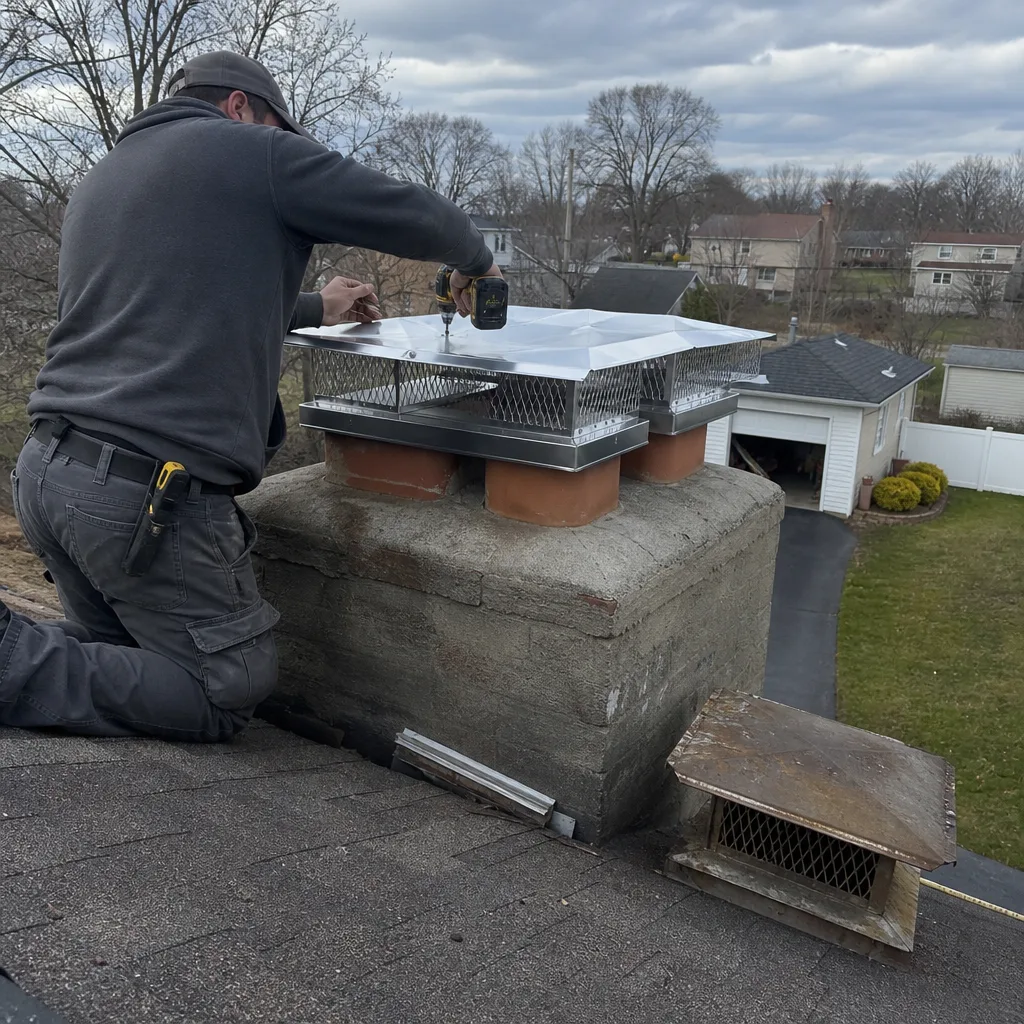
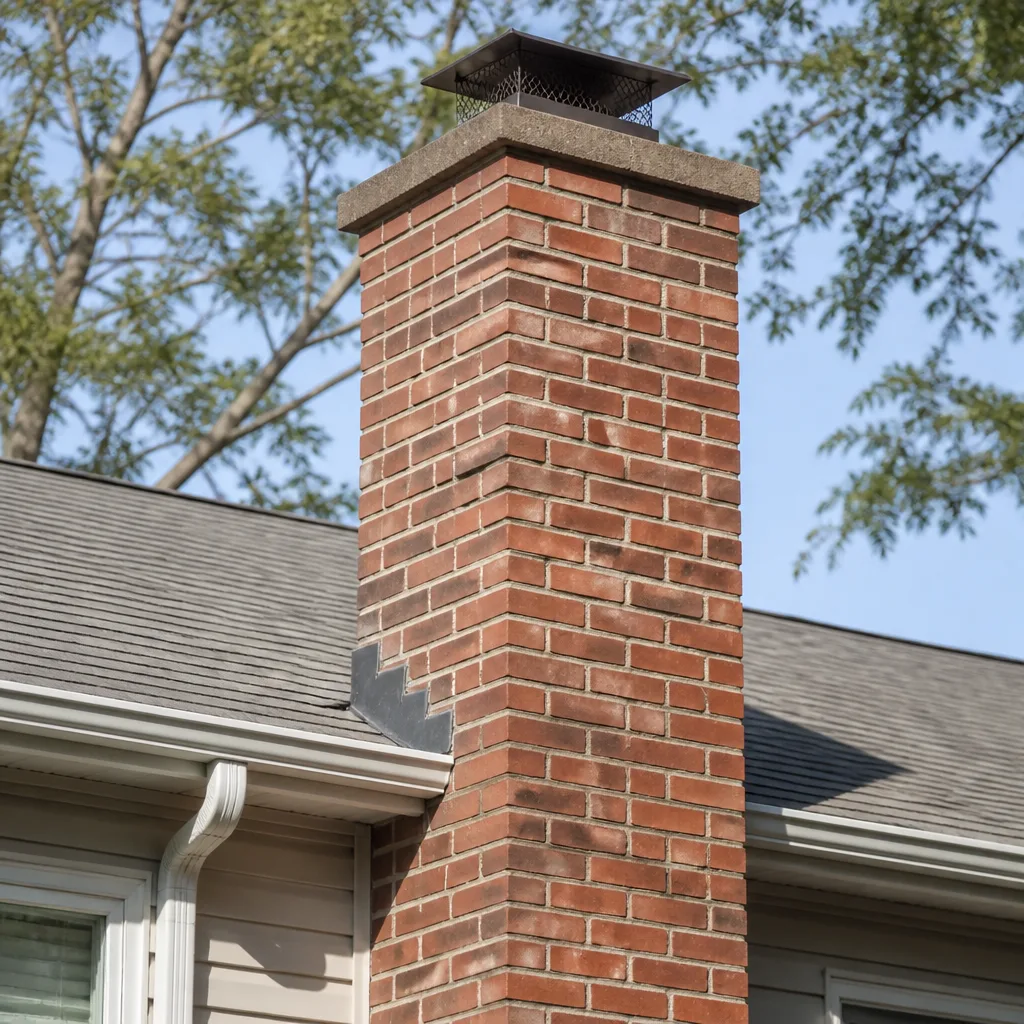
Level 1 sweep and inspection to the NFPA 211 annual standard - flue, crown, cap, and flashing checked and photographed
Chimney sweep logs do not sweep chimneys. They loosen some creosote - which then falls where a brush and vacuum still have to collect it.
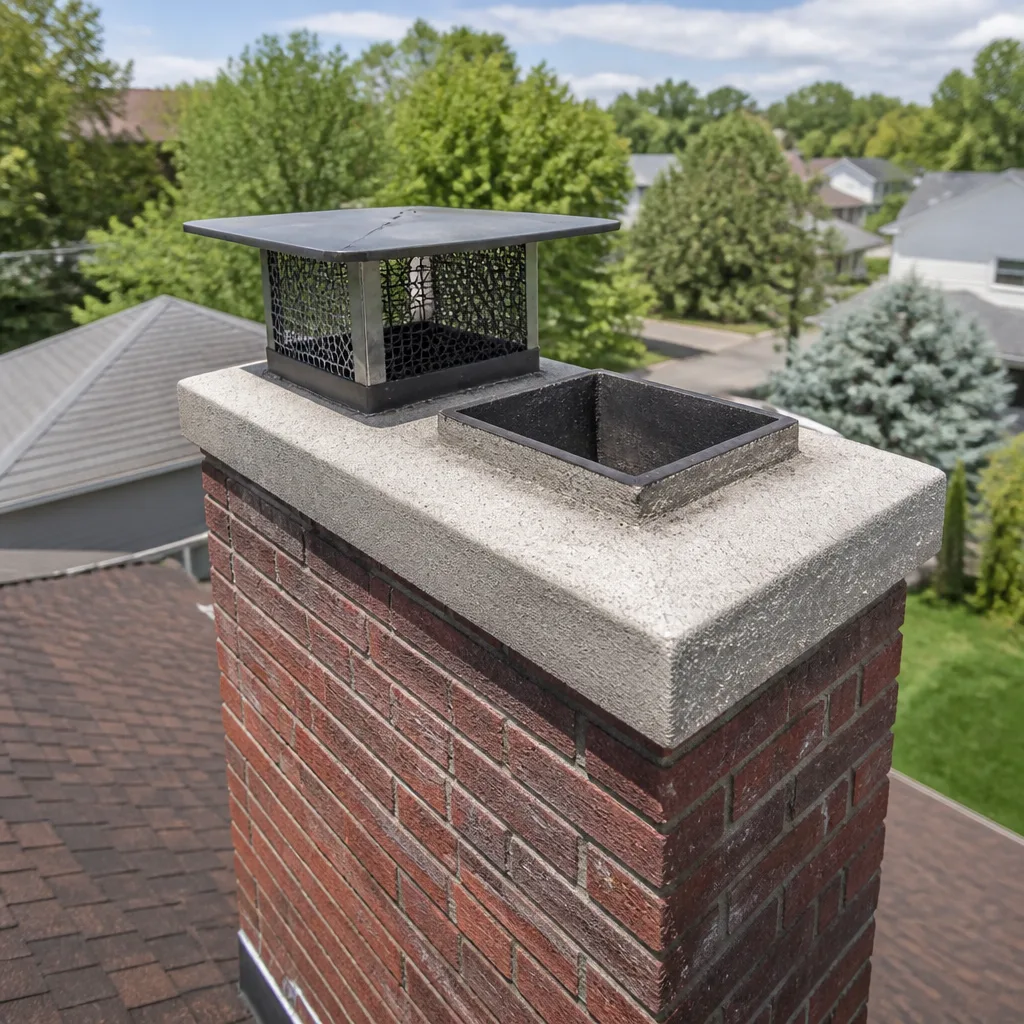
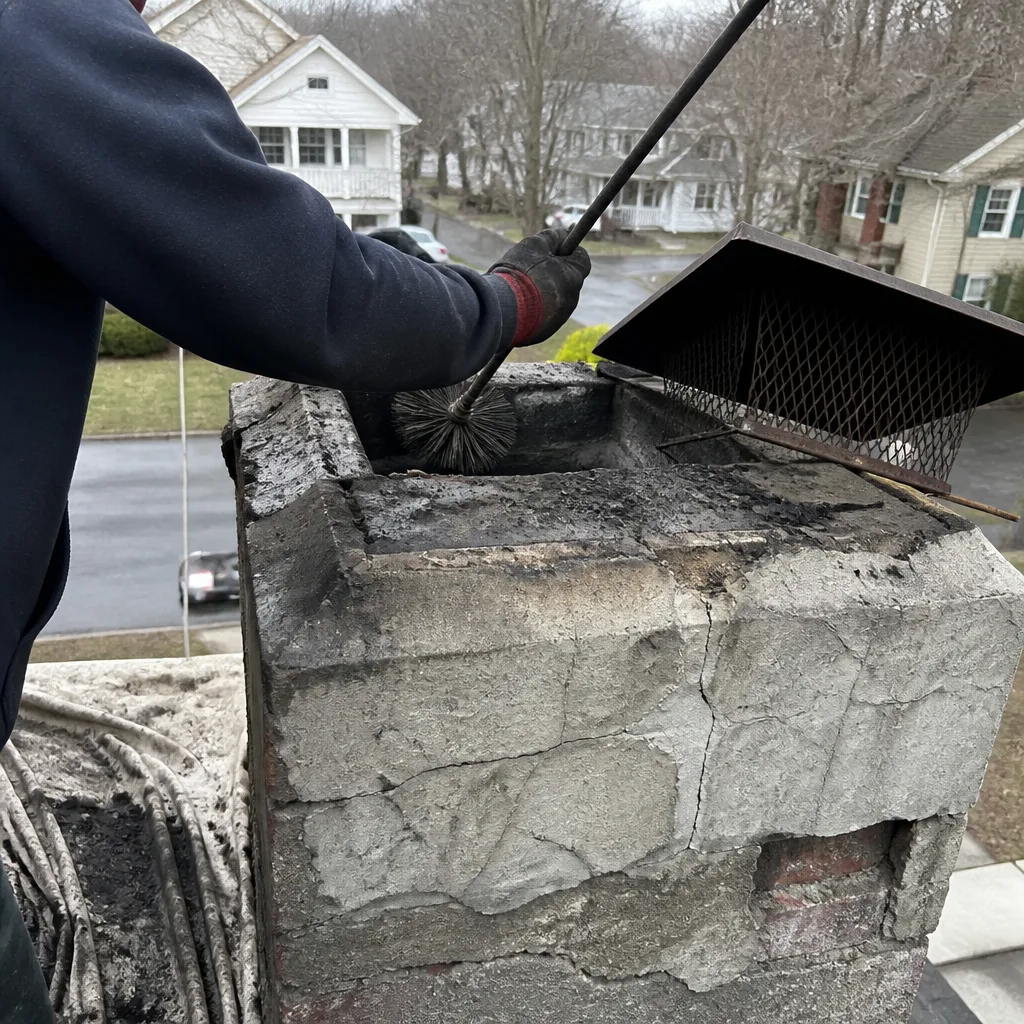 Before
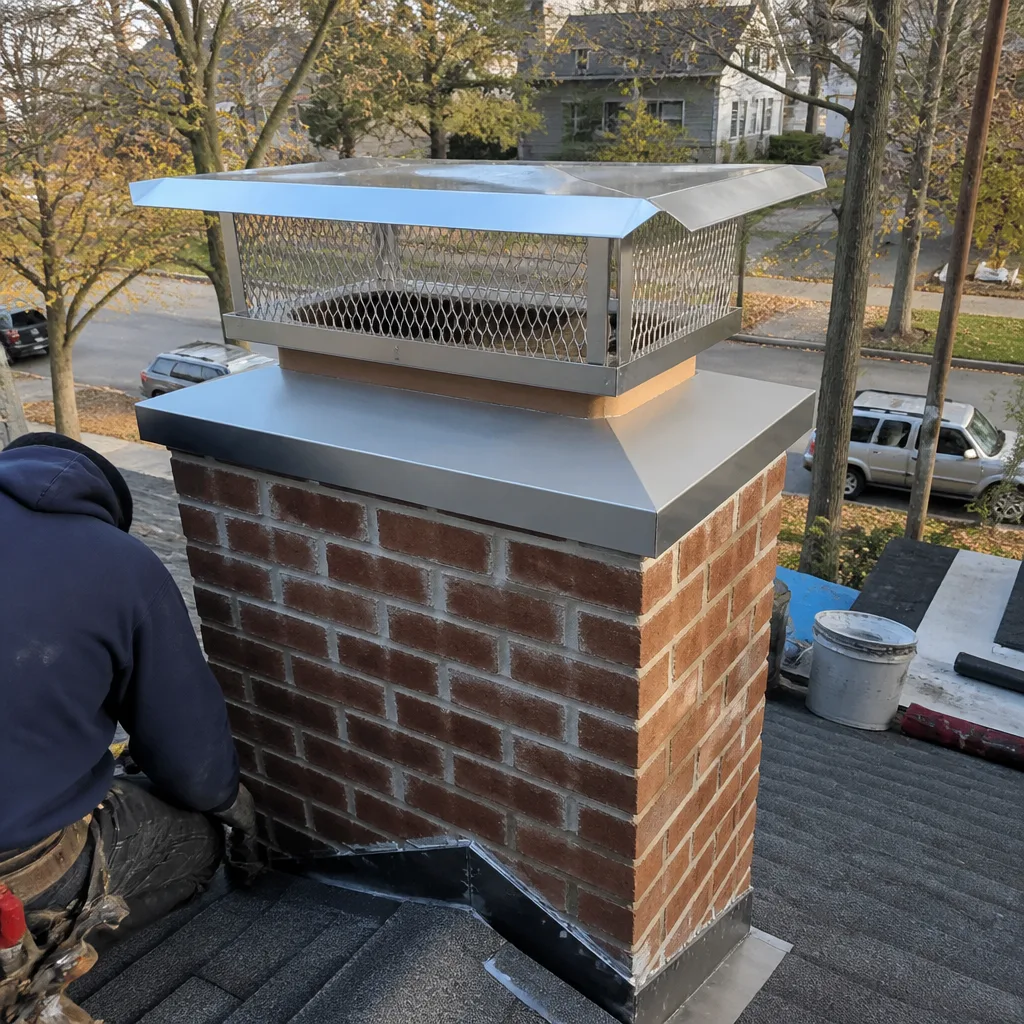 After
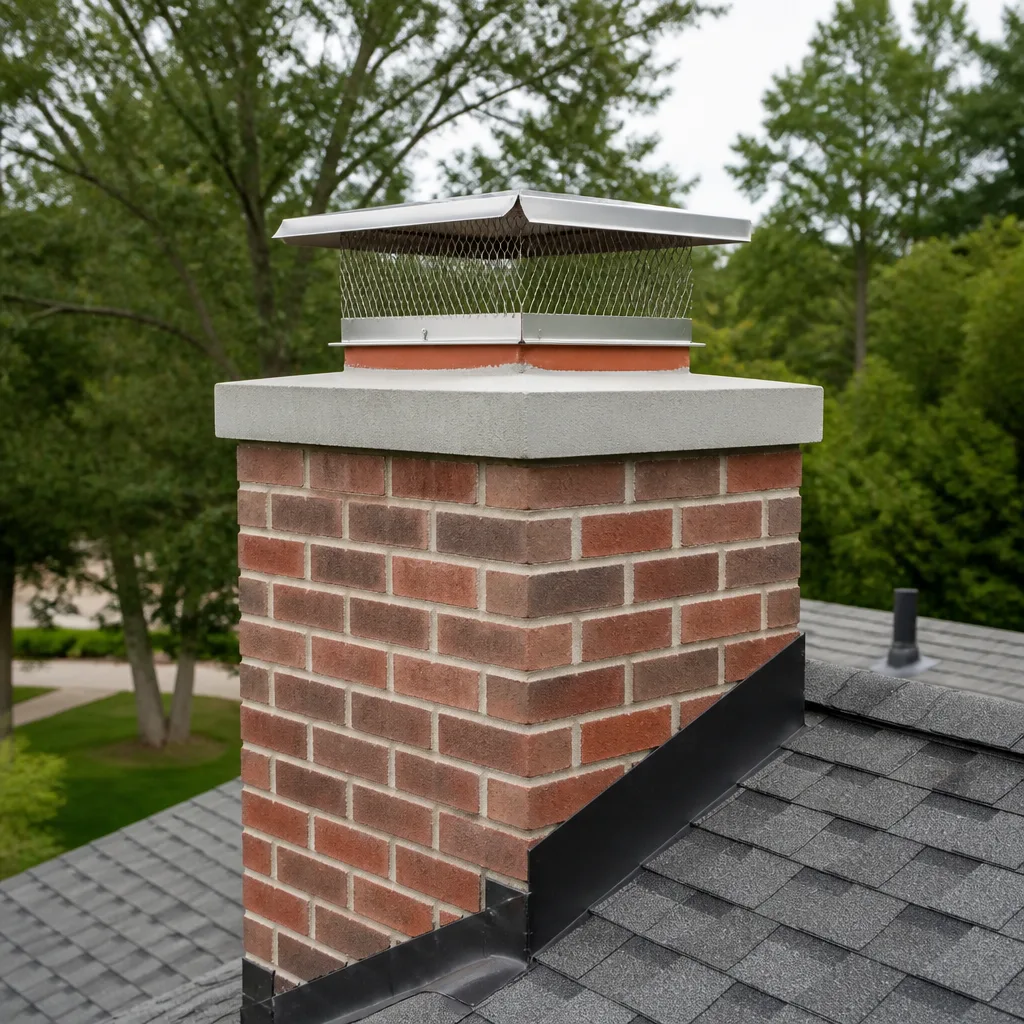
After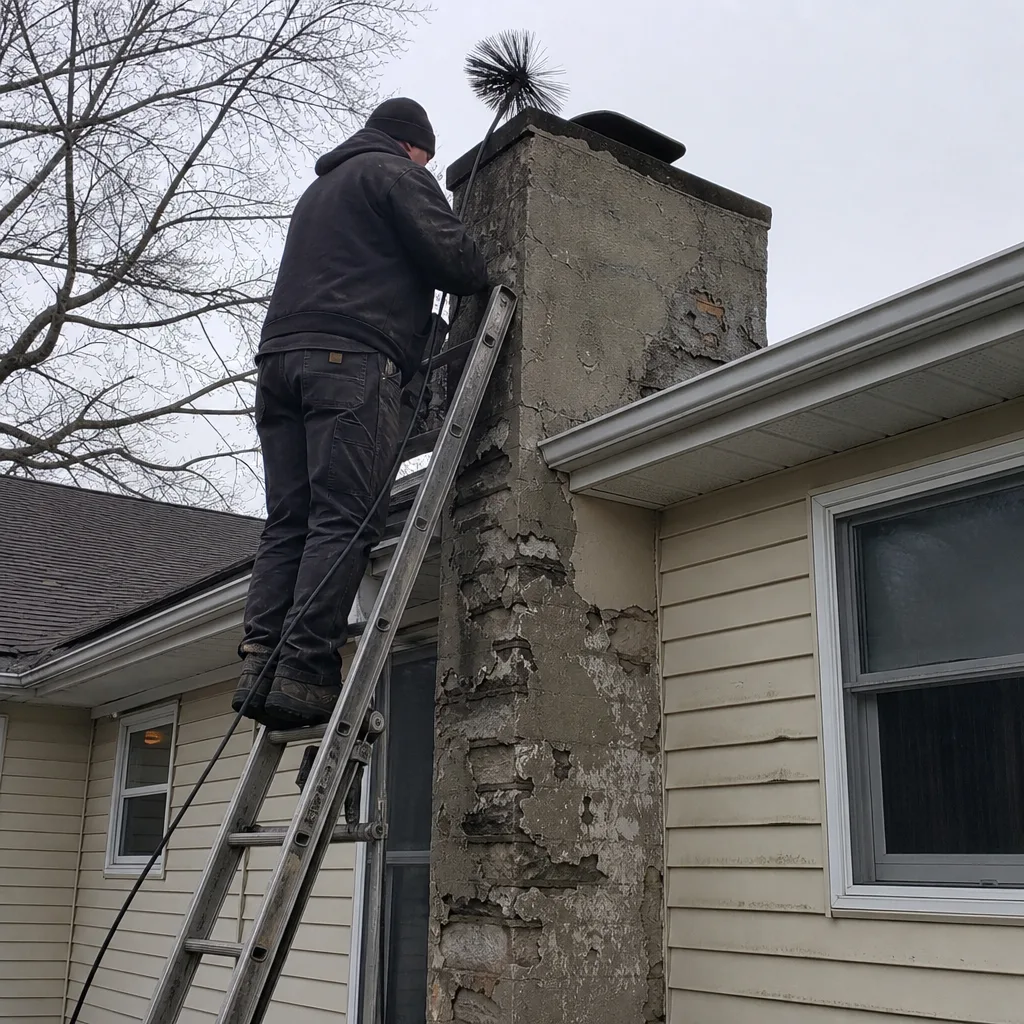 Before
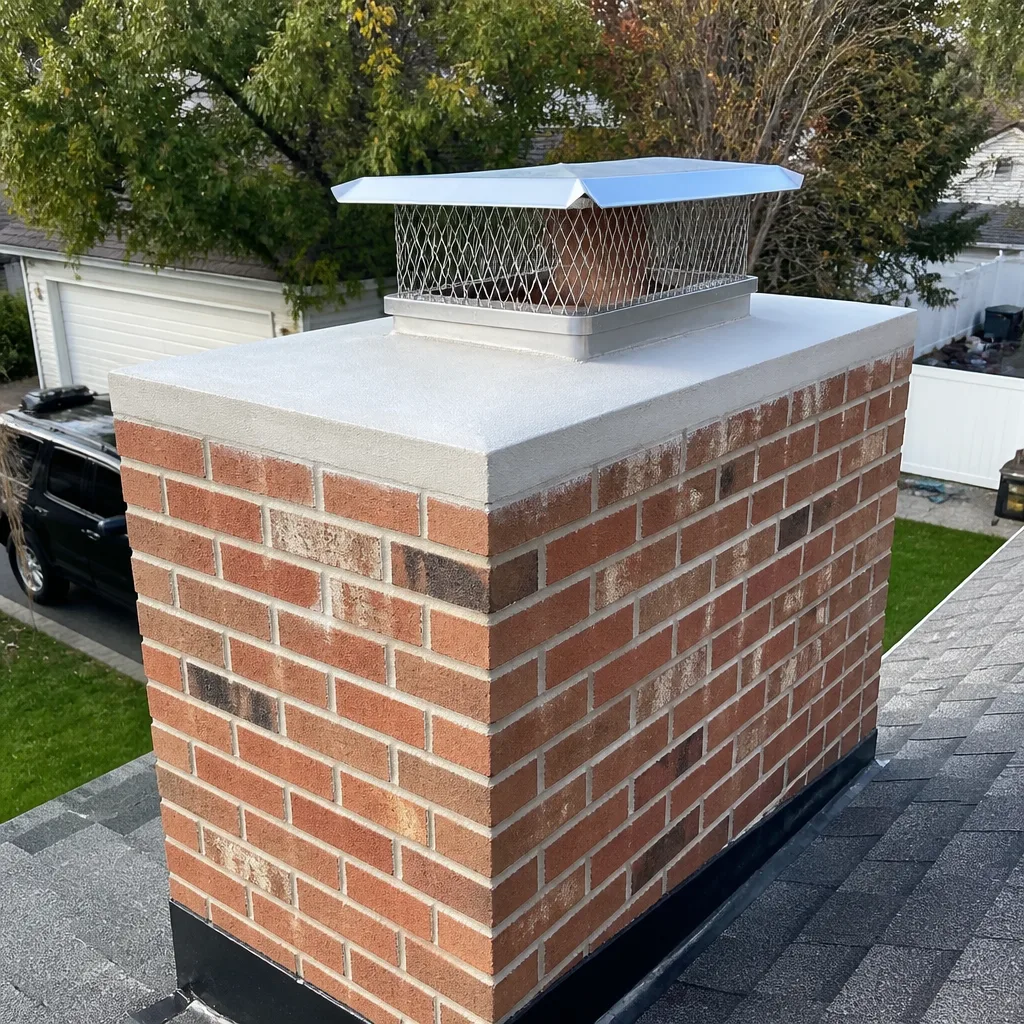 After
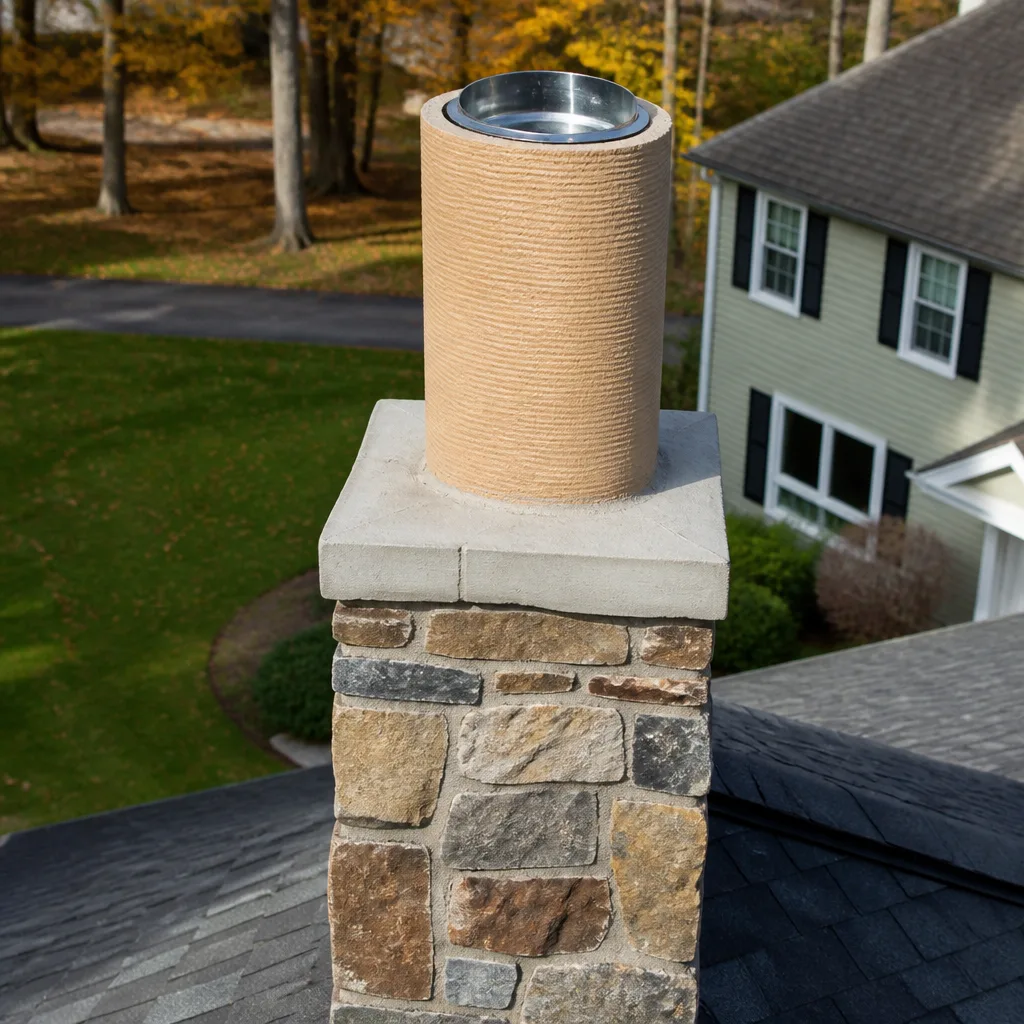
After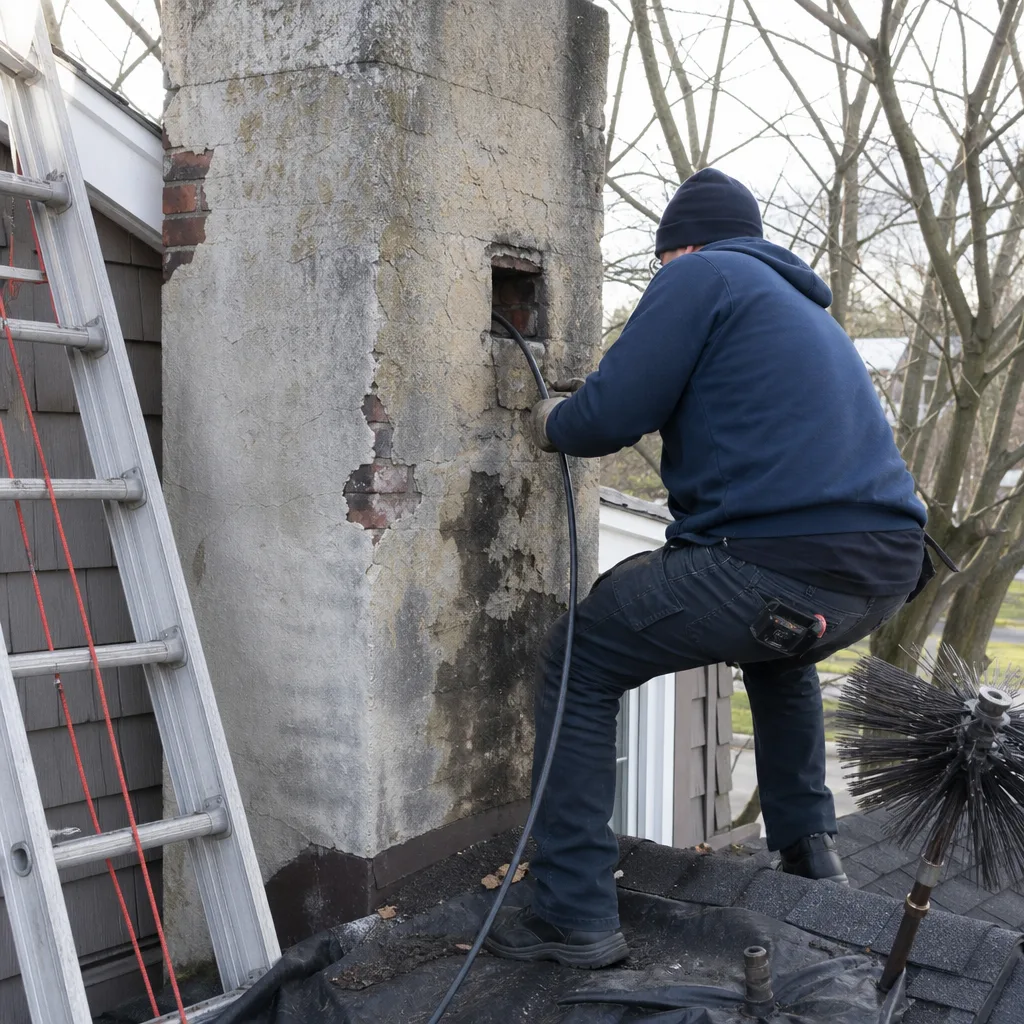 Before
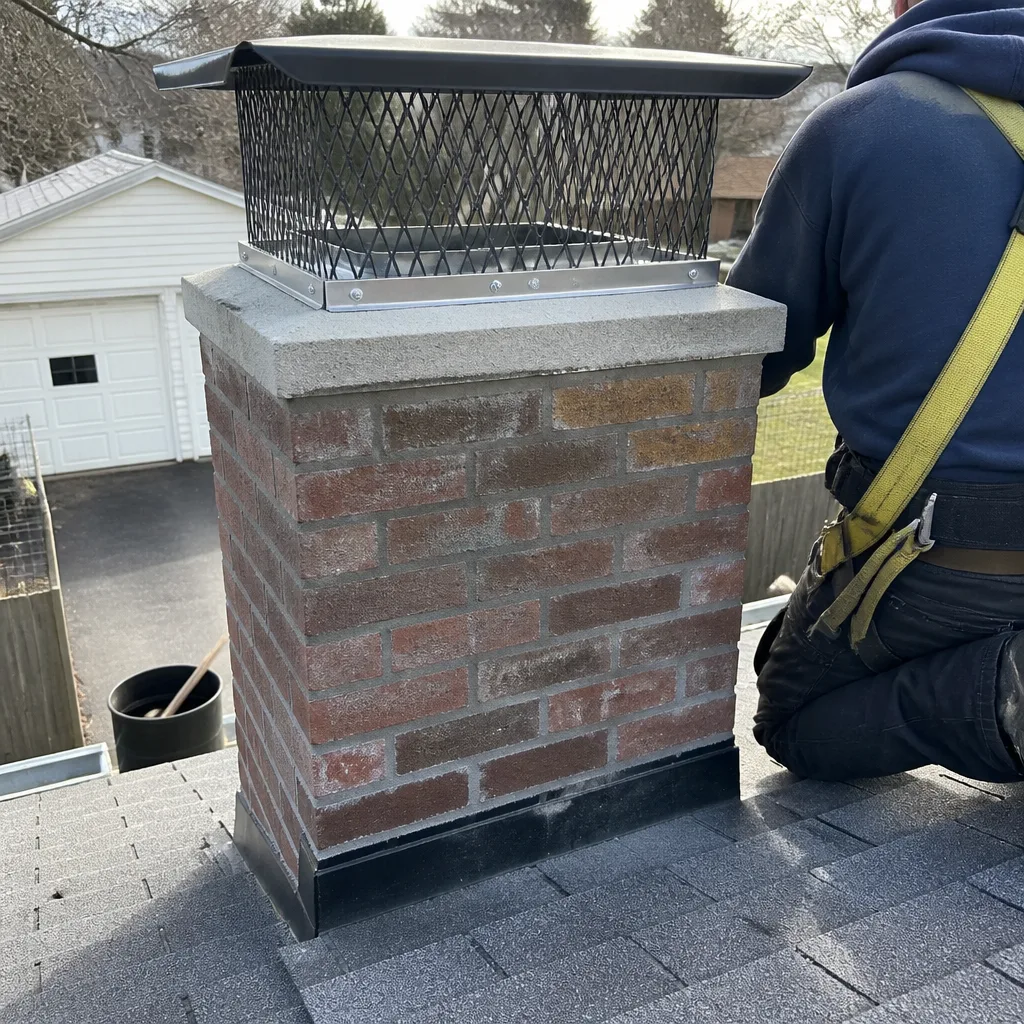 After
AfterChimney Cleaning Permits, Codes & Inspections in NY: What You Need to Know
A customer in Deer Park almost lost her home sale in 2023 because a sweep had relined her chimney two years earlier without pulling the right paperwork. The liner itself was sound. The documentation didn’t exist. Her buyer’s inspector flagged it at the eleventh hour, and she spent three weeks tracking down invoices, calling the town building department, and paying an extra inspection fee to prove the work was legit. The fireplace wasn’t the problem. The paper trail was. This guide is about keeping you out of that exact spot. We’ll walk through what New York actually requires at each stage of chimney work, where Suffolk County draws the line, and what records you should keep in a folder for the day you sell.
Quick Answer
Routine chimney sweeping and inspection in New York State does not require a permit, but structural repairs and liner replacements often do, depending on your local municipality. Suffolk County and most towns within it require a building permit for any chimney work beyond basic cleaning and maintenance. Before you book any repair, read our Complete Guide to Chimney Cleaning in Deer Park, then call your town’s building department or ask your sweep to confirm permit requirements in writing.
Table of Contents
- When Does Chimney Work Require a Permit in NY?
- Suffolk County and Deer Park Specifics
- NFPA 211: The Code Your Sweep Should Know
- Level 1, 2, and 3 Inspections Explained
- What Records to Keep After Any Chimney Work
- Sweep License vs. Contractor License: Not the Same Thing
- Insurance Claims and Chimney Documentation
- Common Mistakes to Avoid
- When to Call a Professional
- Frequently Asked Questions
- The Bottom Line
When Does Chimney Work Require a Permit in NY?
Here’s the honest truth we tell customers in Deer Park every week: sweeping a chimney doesn’t require a permit anywhere in New York State. Brushing out creosote, removing a bird nest, running a camera up the flue, checking the cap and crown, these are maintenance tasks. No building department in Suffolk County wants a permit application for a wire brush. The line gets crossed when you start changing the system. Relining a flue, rebuilding a crown, repointing masonry, replacing a firebox, or tearing down and rebuilding the chimney stack all constitute structural work under the New York State Uniform Fire Prevention and Building Code, and most towns treat them as such.
The trigger is not the size of the job. It’s whether the work alters or restores a component that building codes regulate. A stainless liner from DuraFlex or Copperfield changes the flue system’s dimensions, material, and clearance rating. That’s a code-governed alteration. A new crown changes how water sheds off the structure. That’s also governed. Repointing a few loose bricks? Technically maintenance, but some towns want a permit anyway if you’re on a chimney over 15 feet or if the work touches the firebox. The practical rule we follow at Top Hat Chimney: if a competitor’s estimate mentions the words “liner,” “rebuild,” “relay,” or “structural,” ask for the permit number before writing a check.
New York State Building Code: What It Actually Says
The New York State Uniform Fire Prevention and Building Code adopts the International Residential Code for one- and two-family homes, with state-specific amendments. Under IRC Chapter 10, chimneys and fireplaces must meet specific material, clearance, height, and termination requirements. When work brings a chimney back into compliance, the enforcement mechanism is the local building department, not the state. That’s why the answer to “do I need a permit?” changes from town to town. Babylon, where Deer Park sits, requires permits for chimney rebuilds, liner installations, and most masonry repairs beyond surface repointing. Islip and Huntington have similar requirements. A sweep who works the whole county should know each town’s thresholds.
Ask anyone on your street who has sold a house in the last five years. The buyer’s home inspector will look at the fireplace. If they see a newer liner or rebuilt crown and the seller can’t produce a closed permit, the deal stalls. We saw it happen to that Deer Park homeowner. The work held up fine. The missing permit cost more than the liner ever did.
Suffolk County and Deer Park Specifics
Deer Park sits in the Town of Babylon, which runs its own building division. That’s where permits for chimney work get issued. The Suffolk County Department of Health Services doesn’t get involved in chimney permits, but the county fire marshal can if a chimney fire was reported and the homeowner ignored a written correction order. In our experience, Babylon’s building department is reasonable. They want the same thing we want: a chimney that isn’t going to set the roof on fire.
What catches Deer Park homeowners off guard is the inspection sequence. A typical liner replacement permit involves a rough inspection after the old liner comes out and before the new one goes in, then a final inspection when the work is done. If you have a masonry fireplace with a clay tile flue and you’re switching to a stainless liner, the inspector will want to see the liner listed to UL 1777 and installed per the manufacturer’s instructions. That means the sweep doing the work better have the listing paperwork on hand. We keep documentation from DuraFlex, HeatShield, Famco, and Copperfield in the truck for exactly this reason.
Inside Babylon town limits, a homeowner can act as their own contractor on a permit, but the liability lands on you. If something goes wrong, your insurance company will ask who did the work and whether it was permitted. A licensed professional with a permit gives you a paper shield. One more Deer Park detail: many homes here were built in the 1950s and 1960s, and original chimneys were often unlined or lined with single-wall clay tile that’s now cracked. When you reline those, the code requires a certain minimum clearance from combustible framing. Older homes sometimes don’t have it. That’s a conversation to have with someone who has crawled through enough Deer Park attics to know what’s actually up there.
NFPA 211: The Code Your Sweep Should Know
NFPA 211 is the National Fire Protection Association standard for chimneys, fireplaces, vents, and solid fuel-burning appliances. It’s not a law by itself, but New York adopts it by reference, and insurance companies lean on it heavily. Wendell has carried a dog-eared copy in his truck since 1999. The standard sets the rules for clearance to combustibles, flue sizing, termination height, and, most importantly for homeowners, the definition of what a sweep is obligated to report.
A sweep cleaning your chimney is not just brushing out soot. Under NFPA 211, the technician should be inspecting the system for visible defects, clearances, and fire hazards. If a sweep finds something, the standard doesn’t require them to fix it on the spot. It does require them to tell you in writing. That’s the part national chains skip. A guy from a call center might show up, brush the flue, and never mention that your crown is cracked wide open. Wendell and his crew photograph it, show you the image, and hand you a written condition report. That’s not an upsell. It’s what NFPA 211 says a competent professional does.
What NFPA 211 Requires a Sweep to Report
- Cracked or deteriorated flue liners visible during normal cleaning. First-degree creosote is a brush job. Third-degree is a glaze, catch it early. A cracked liner is a different animal entirely.
- Missing or damaged chimney caps and spark arrestors. Rain gets in, animals get in, and sparks get out. All three are the sweep’s business to flag.
- Improper clearance between the chimney and combustible materials. In older Deer Park homes, framing sometimes touches the masonry where it shouldn’t.
- Creosote accumulation beyond what a standard brushing can remove. If the glaze is thick enough that a brush won’t handle it, your sweep should say so plainly, not just scrub harder and call it done.
- Structural issues with the crown, flashing, or masonry. A cracked crown lets water into the chase every time it rains, and that water turns to ice in a Deer Park February.
The code doesn’t demand that a sweep become a mason. It demands that he tell you what he saw. The honest ones do. The rest hope you won’t notice until next year.
Level 1, 2, and 3 Inspections Explained
NFPA 211 defines three levels of chimney inspection, and knowing the difference saves you money and protects you when it counts. A Level 1 inspection is what you get during a routine sweep when nothing has changed about your system. The sweep looks at the readily accessible portions of the chimney, checks for blockages, and confirms the system is structurally sound enough to keep using. Most annual cleanings include a Level 1 inspection as part of the service.
A Level 2 inspection is more thorough and is specifically triggered by certain events. Under NFPA 211, you need a Level 2 inspection when you’re buying or selling a home, when you’ve changed the system (new liner, new appliance, different fuel type), after a chimney fire, or after any event that might have damaged the chimney, like a lightning strike or an earthquake. A Level 2 includes everything in Level 1 plus accessible portions of the attic, crawlspace, and exterior. It’s the standard for real estate transactions, and it’s the inspection that catches the problems a Level 1 can’t see.
A Level 3 inspection is invasive. It means the sweep has to remove components of the building or chimney to access concealed areas. This happens when a Level 2 turns up something suspicious that needs a closer look, or when a chimney fire or structural failure makes the interior condition unknown and unknowable without opening things up. Level 3 work is rare in residential settings, but when we have to do one, we’re cutting into something, and the homeowner should know why before the saw comes out.
When a Level 2 Is Legally Triggered
- Real estate transaction. Selling your Deer Park home? The buyer’s inspector will flag the chimney, and the deal may hinge on a Level 2 inspection. If the seller can’t produce documentation that the chimney was inspected, the buyer’s lender or insurance company may require one before closing.
- System change. You’re installing a new fireplace insert, switching from wood to gas, or relining an old flue. Any of these triggers a Level 2 inspection before the new system is used.
- After a chimney fire. If you’ve had a chimney fire, even a small one, the system may be compromised. A Level 2 inspection is the minimum standard before you burn again.
- After a severe weather event. A tree limb on the roof, a lightning strike, or unusual structural movement can damage the chimney in ways you won’t see from the ground.
Here’s the practical part. When a sweep recommends a Level 2 inspection, ask why. Is it because the situation actually triggers it, or because the company wants to charge you more? Wendell has never recommended a Level 2 that wasn’t warranted. If your fireplace is exactly the same as it was last year and nothing has changed, a Level 1 is what the standard calls for. Anyone trying to sell you a Level 2 for a routine cleaning is not your friend.
What Records to Keep After Any Chimney Work
Keep a chimney folder. That’s the single best advice in this guide. Every time someone does anything to your chimney, from a routine sweep to a liner replacement, you should walk away with a piece of paper. A proper invoice from a proper sweep includes the date, the scope of work, the materials used, and the permit number if one was required. Wendell stamps every invoice with the 90-Day Done Right Promise, and we keep copies on file. You should too.
Here’s what belongs in that folder:
- Every sweep invoice, ever. The date, the findings, and the recommendation. If a sweep flagged a crack in 2021 and you sold the house in 2025, the buyer will want to know whether you addressed it. The invoice tells the story.
- Permit applications and certificates of completion. If you relined the chimney in 2022, the closed permit from Town of Babylon is worth its weight in gold at closing. Without it, the buyer’s attorney may require a new inspection at your expense.
- Product documentation. That DuraFlex liner or HeatShield patch has a manufacturer’s warranty. The paperwork should show the product name, the UL listing, and the date of installation. Keep it.
- Photos and video from inspections. The camera footage and a plain-English verdict, every time, no exceptions. If a sweep gives you a USB stick or a link to footage, save it. It’s proof of condition at a point in time.
- Insurance claim correspondence. If you ever file a claim related to chimney damage, keep every letter and email between you and the carrier. When you sell, the new owner’s insurance company may want to see that the issue was resolved.
How long should you keep these records? Forever, if you can. Insurance companies and home inspectors can ask about the chimney’s history for as long as the house stands. A chimney that was swept regularly and repaired properly with permits is a selling point. A chimney with no paper trail is a question mark. In Deer Park, where homes change hands every few years, that question mark costs sellers real money.
Sweep License vs. Contractor License: Not the Same Thing
This is the distinction that confuses homeowners and costs them money. In New York, a chimney sweep doesn’t need a specific state license to clean chimneys. The Chimney Safety Institute of America certifies sweeps, and we hold that certification, but it’s not a government credential. A contractor’s license, on the other hand, is a local government credential that allows someone to pull permits and perform structural work. Many chimney companies are sweeps. Far fewer are licensed contractors. The difference matters when the work crosses from maintenance into modification.
In Suffolk County, a licensed home improvement contractor can pull a permit for chimney repair and liner work. A sweep without a contractor’s license legally cannot. He can brush the flue and replace a cap, but he cannot reline the chimney or rebuild the crown. If a company sends out a guy who only has a sweep certification and the work requires a permit, the permit doesn’t exist, the work wasn’t inspected, and the liability lands on you, the homeowner.
Top Hat Chimney has been a licensed, owner-operated shop since 1999. Wendell’s name and license number are on every proposal, and he pulls permits in his own name when the work requires them. That’s the difference between a sweep who works in your chimney and a contractor who stands behind his work long enough to run into you again on Saturday.
Questions to Ask Before Any Repair Work
- Do I need a permit for this? If the answer is no, ask why. If the answer is yes, ask for the permit application number before work starts.
- Are you licensed to do this work in my town? Get the license number. Write it down. Call the town if you want to verify. Wendell publishes his license number and expects you to check.
- Will the permit be in your name or mine? If the contractor puts the permit in your name, the liability shifts. A legitimate contractor permits under his own license.
- Who performs the final inspection with the town? The contractor should schedule it, meet the inspector, and resolve any issues. If a company says you have to handle the inspection, that’s a red flag.
- What documentation will I receive when the work is done? The answer should include a closed permit, a product warranty, and a written guarantee. Our 90-Day Done Right Promise is stamped on every job.
Insurance Claims and Chimney Documentation
Here’s a scenario we’ve seen more times than we can count in Deer Park. A chimney fire happens, the homeowner files an insurance claim, and the adjuster asks for the chimney cleaning history. No records? The claim gets denied or reduced. The insurance company considers chimney maintenance the homeowner’s responsibility, and an unmaintained chimney is a hazard. The adjuster’s job is to figure out whether the damage came from normal wear or negligence. Your chimney folder answers that question.
After a chimney fire, most insurance carriers require a certified inspection before the fireplace can be used again. That’s a Level 2 at minimum, and the inspection report goes straight to the carrier. If the report says the chimney needs a new liner or rebuild, the insurance company may pay for part or all of it, depending on your policy. What they won’t pay for is damage caused by a fire you could have prevented with a $250 annual sweep.
One more thing about insurance. If you had unpermitted structural work done on your chimney and then filed a claim, the carrier may deny the claim outright. They’ll argue the work voided the policy because it wasn’t inspected. We saw a homeowner in Lindenhurst learn that lesson the hard way after a crown repair went bad. The repair had no permit, the water damage was extensive, and the insurance company walked away. A permit isn’t just bureaucracy. It’s proof the work was done to code, and that’s exactly what your insurance carrier wants to see when you have a problem.
Common Mistakes to Avoid
- Paying for a liner replacement without a permit. This is the one that bites people at closing. The liner might be installed perfectly, but without a closed permit, the buyer’s attorney will demand paperwork you don’t have. Three weeks of chaos for a piece of paper. Pull the permit.
- Assuming every sweep is licensed to do repairs. Sweeping and contracting are different things. A certified sweep can clean your chimney. A licensed contractor can rebuild it. Hiring the first for the second puts you in a bad spot when the inspector shows up.
- Skipping the paper trail because the work was small. Even a simple crown repair can become a question at closing. Keep every invoice. Every single one. Wendell’s crew leaves you a written report whether we brush the flue or reline the whole thing.
- Trusting a verbal quote without a written breakdown. The national outfits love this trick. A phone quote of $199 becomes $900 at the door because “the liner was worse than expected.” We give you the price before a single tool comes off the truck, and the number doesn’t change.
- Replacing a liner without checking the product’s UL listing. Not all stainless liners are created equal. A UL 1777 listing means the liner is tested for solid fuel use. An unlisted liner in a wood-burning fireplace is a fire hazard and a code violation. We use listed products from DuraFlex, HeatShield, Famco, and Copperfield for this exact reason.
- Ignoring the chimney for years and expecting it to be fine. Once a year, burn or no burn. Chimneys break in the off-season too. A chimney that hasn’t been touched in five years isn’t a bargain. It’s a project.
- Hiring a company that can’t tell you who will show up. If you can’t get a name on the phone, you won’t get accountability at the door. Top Hat Chimney answers with a live person, around the clock, and it may well be Wendell himself on the line.
When to Call a Professional
If you can’t remember the last time your chimney was swept, call now. If you had a chimney fire, even a small one, call before you burn again. If you’re buying or selling a Deer Park home and the chimney is a question mark, call for a Level 2 inspection before you sign or list. If your sweep found a cracked liner, a crumbling crown, or creosote glaze that won’t brush out, call someone who can explain the fix in plain English and pull the permit if it’s needed. Top Hat Chimney offers free estimates in Deer Park, and we’ll tell you honestly if the work can wait or if it can’t. Call (631) 214-2108. Wendell answers his own phone more often than not, and if he doesn’t, a live person does.
Frequently Asked Questions
No. Routine chimney sweeping and Level 1 inspections do not require a permit anywhere in New York State, including Suffolk County. The moment the work shifts to liner replacement, rebuild, or structural repair, most towns require a building permit. Ask your sweep to confirm before the work starts.
A standard chimney sweep in Deer Park typically runs between $200 and $350, depending on the chimney’s condition and accessibility. If the chimney hasn’t been cleaned in years or has a glaze issue, the price goes up. Top Hat Chimney gives you a firm price before work begins, and the price doesn’t change at the door. Call (631) 214-2108 for an exact quote.
A Level 1 inspection covers the readily accessible parts of the chimney during a routine sweep. A Level 2 inspection includes the attic, crawlspace, and exterior and is required for real estate transactions, system changes, and after a chimney fire. Level 2 is more thorough and usually costs more.
Once a year, even if you don’t burn much. Chimneys in Deer Park take a beating from wet winters and freeze-thaw cycles, and creosote builds up based on wood type and burn temperature, not just frequency. Once a year, burn or no burn. Chimneys break in the off-season too.
Sometimes you need one, and sometimes you don’t. The camera footage and a plain-English verdict, every time, no exceptions. If your sweep can’t show you footage of the cracked liner or the deteriorated clay tile, get a second opinion. Top Hat Chimney offers a free second opinion on any written estimate, and we’ll tell you plainly if the work can wait.
You can still sell the house, but it’ll cost you time and money. The buyer’s inspector may flag the unpermitted work, and the lender may require the permit to be pulled retroactively, which isn’t always possible. If the work is sound, some towns will issue a permit after the fact. If it’s not, you’ll pay to fix it twice. Pull the permit the first time.
The Bottom Line
Chimney work in New York has two sides, brushing and building. The first needs no permit and keeps the fire burning safely. The second needs paperwork, and that paperwork protects you when you sell, when you file an insurance claim, or when an inspector comes knocking. Keep a chimney folder. Ask your sweep if he’s licensed for the work he’s recommending. Don’t pay for structural changes without a permit. Your flue doesn’t care how the fire looks. It cares how it breathes. For more guides & resources, or when you need an honest take on a Deer Park chimney, Top Hat Chimney has been answering that call since 1999. Call (631) 214-2108 for a free estimate.
Written by Wendell Pike, Owner at Top Hat Chimney, serving Deer Park since 1999.