
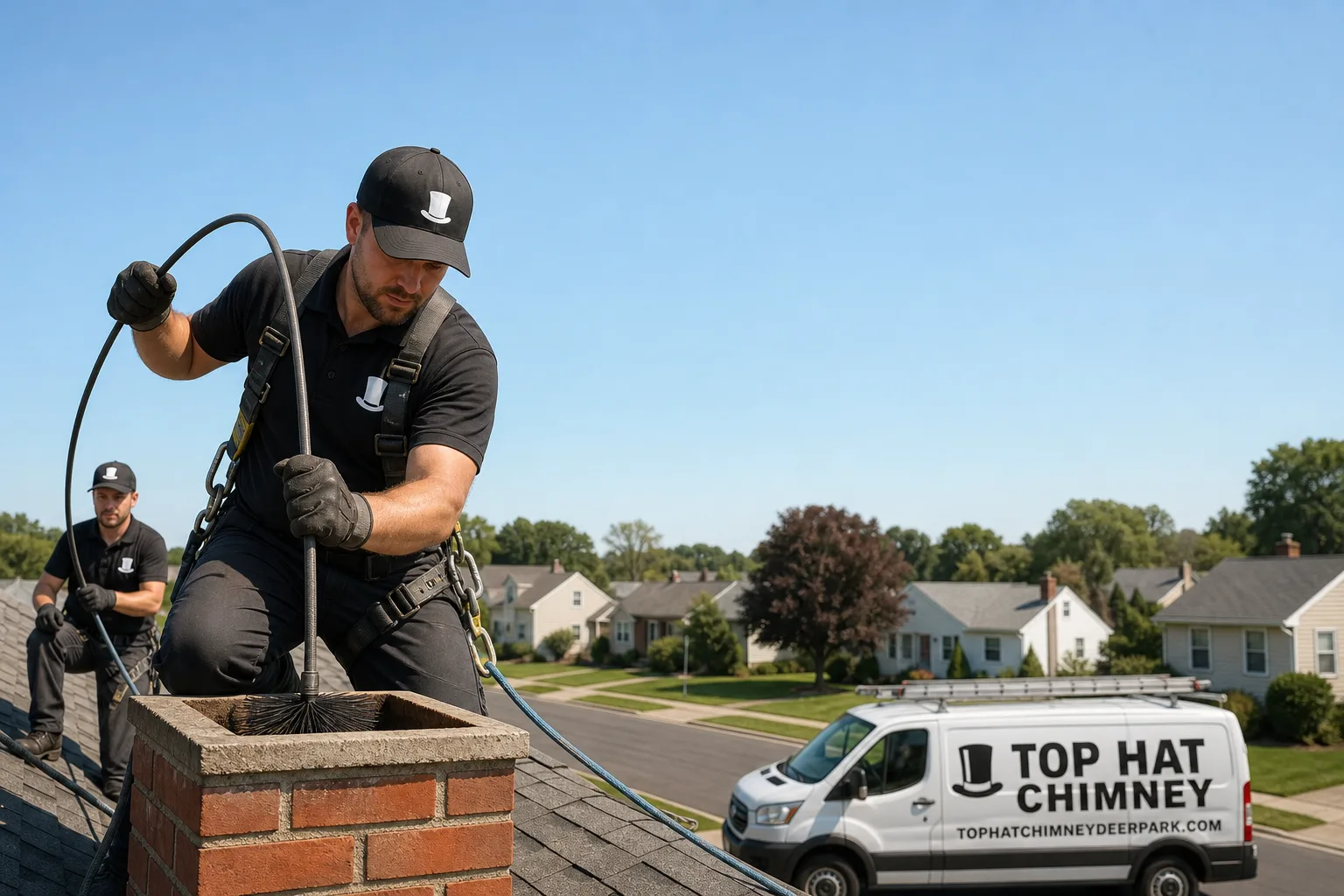
Level 1 sweep and inspection to the NFPA 211 annual standard - flue, crown, cap, and flashing checked and photographed
Chimney sweep logs do not sweep chimneys. They loosen some creosote - which then falls where a brush and vacuum still have to collect it.
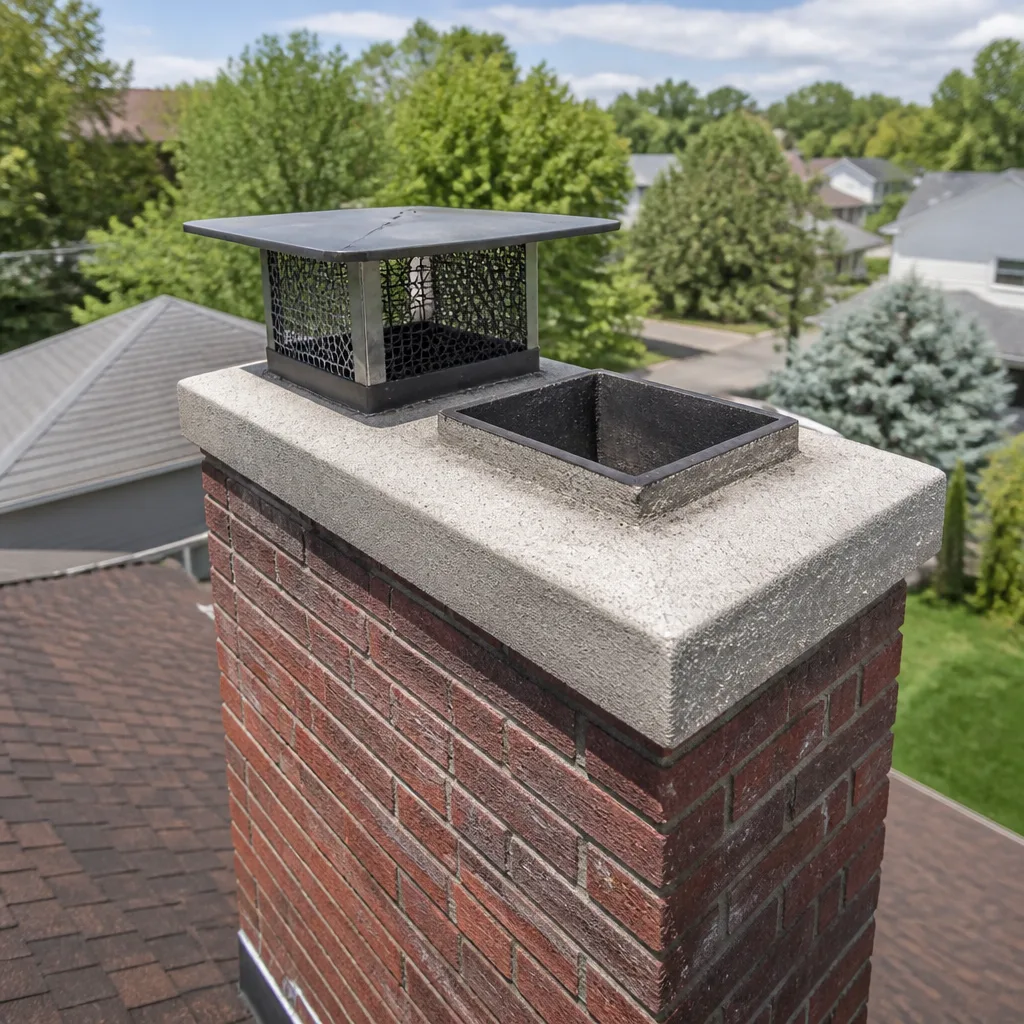
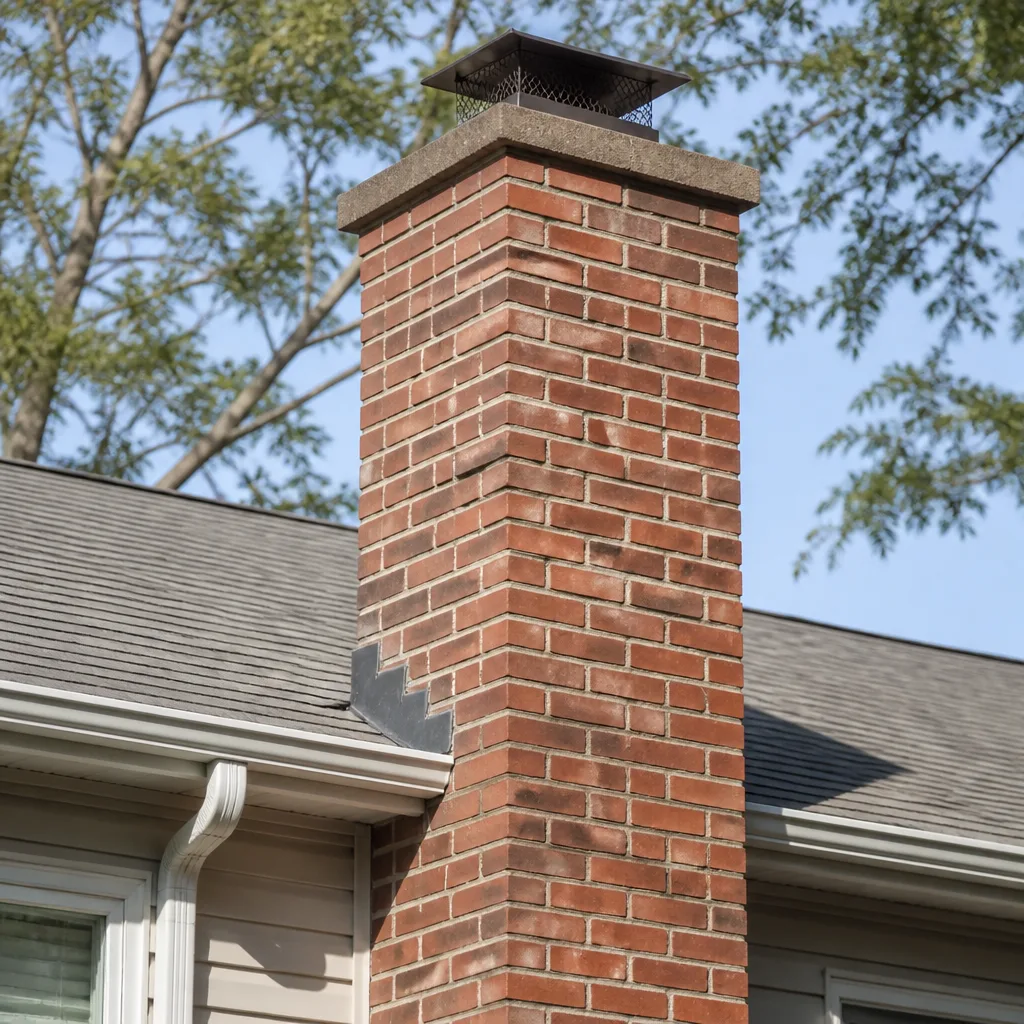
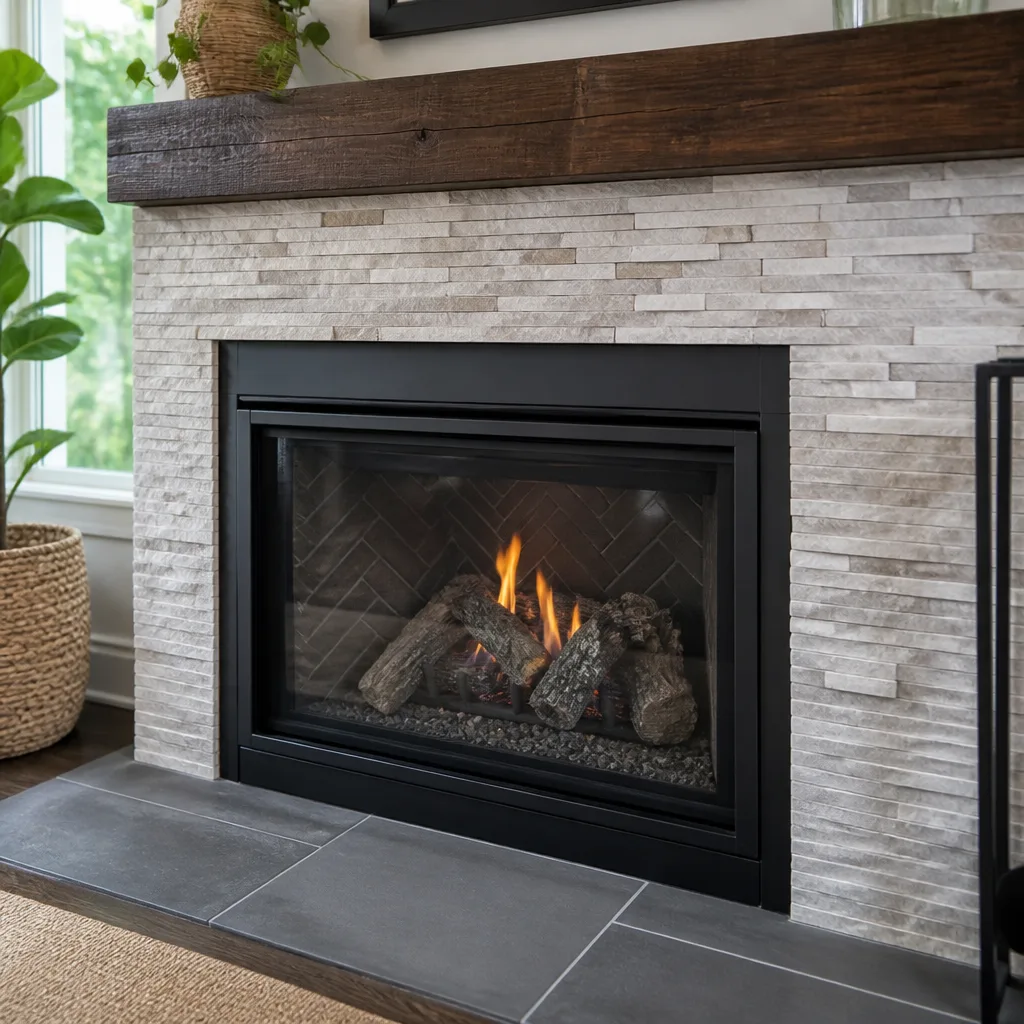
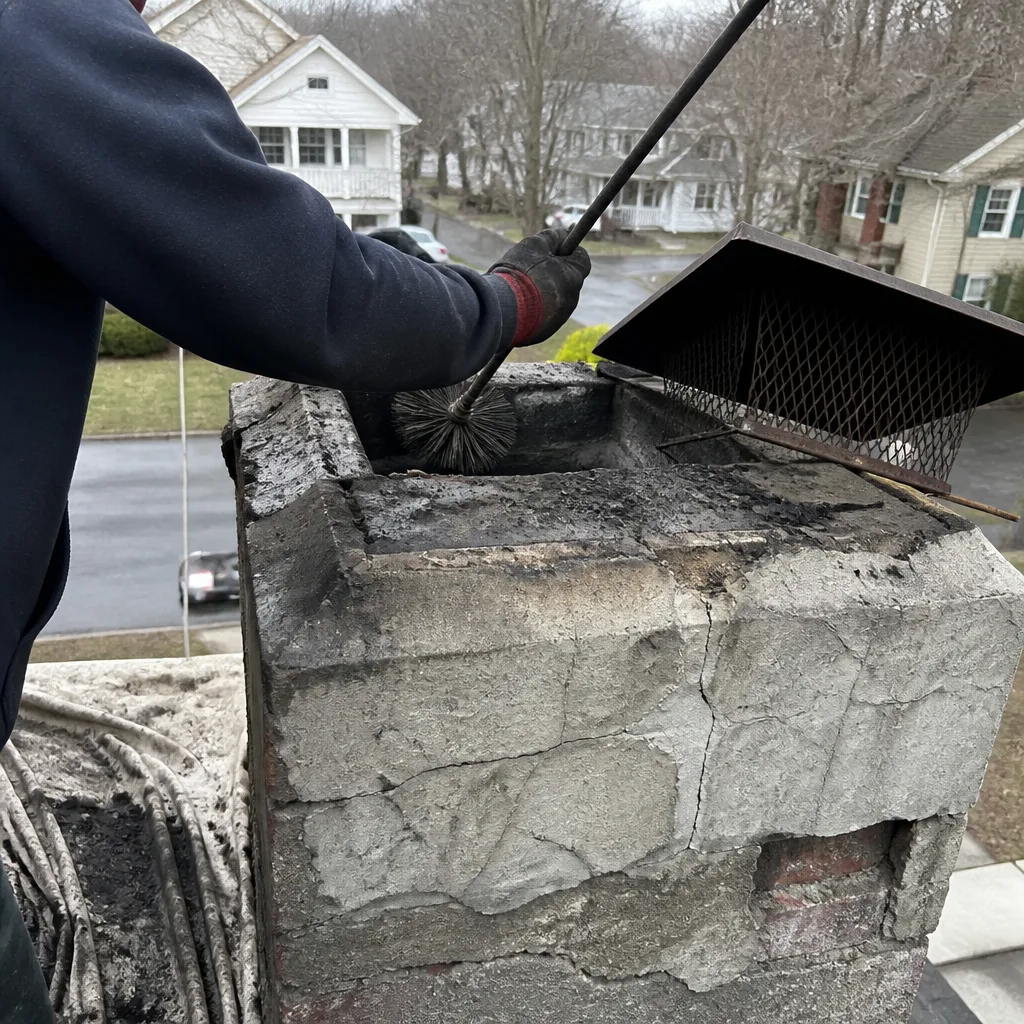 Before
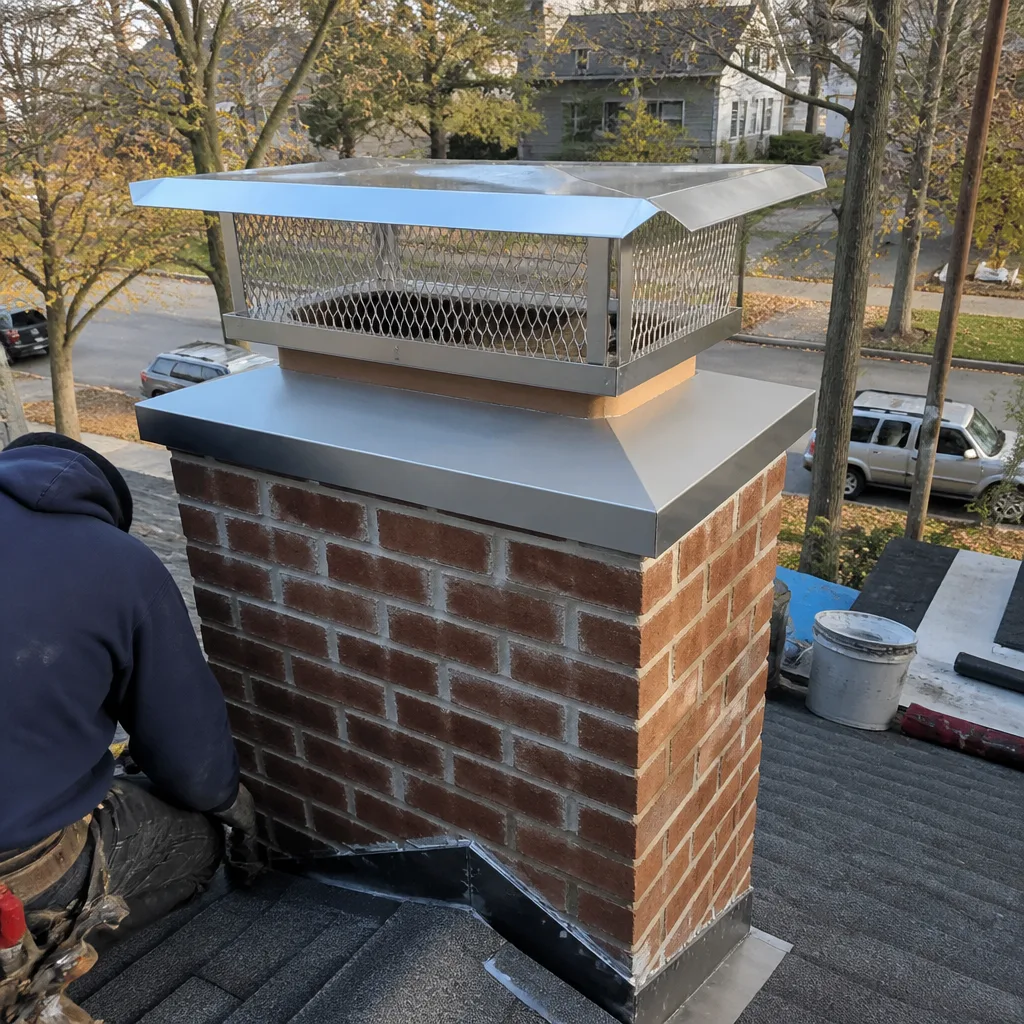 After
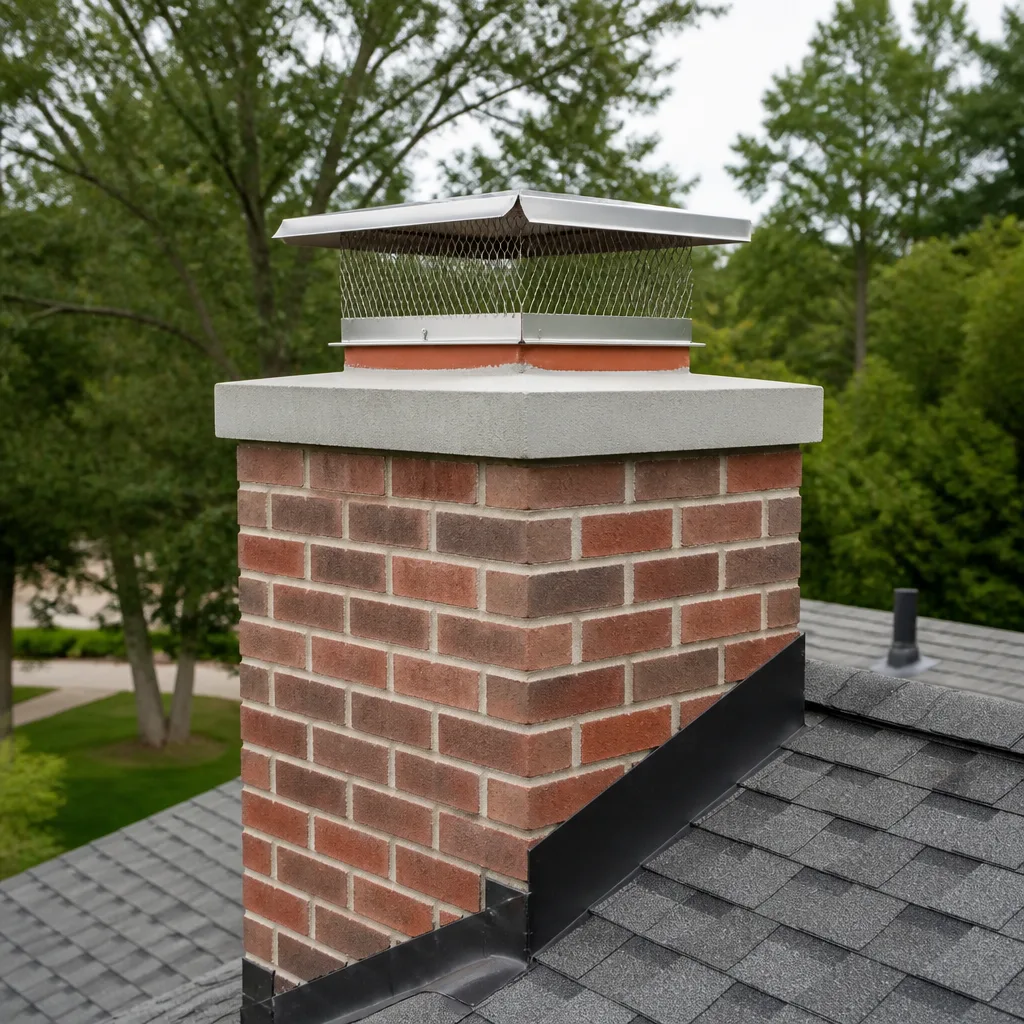
After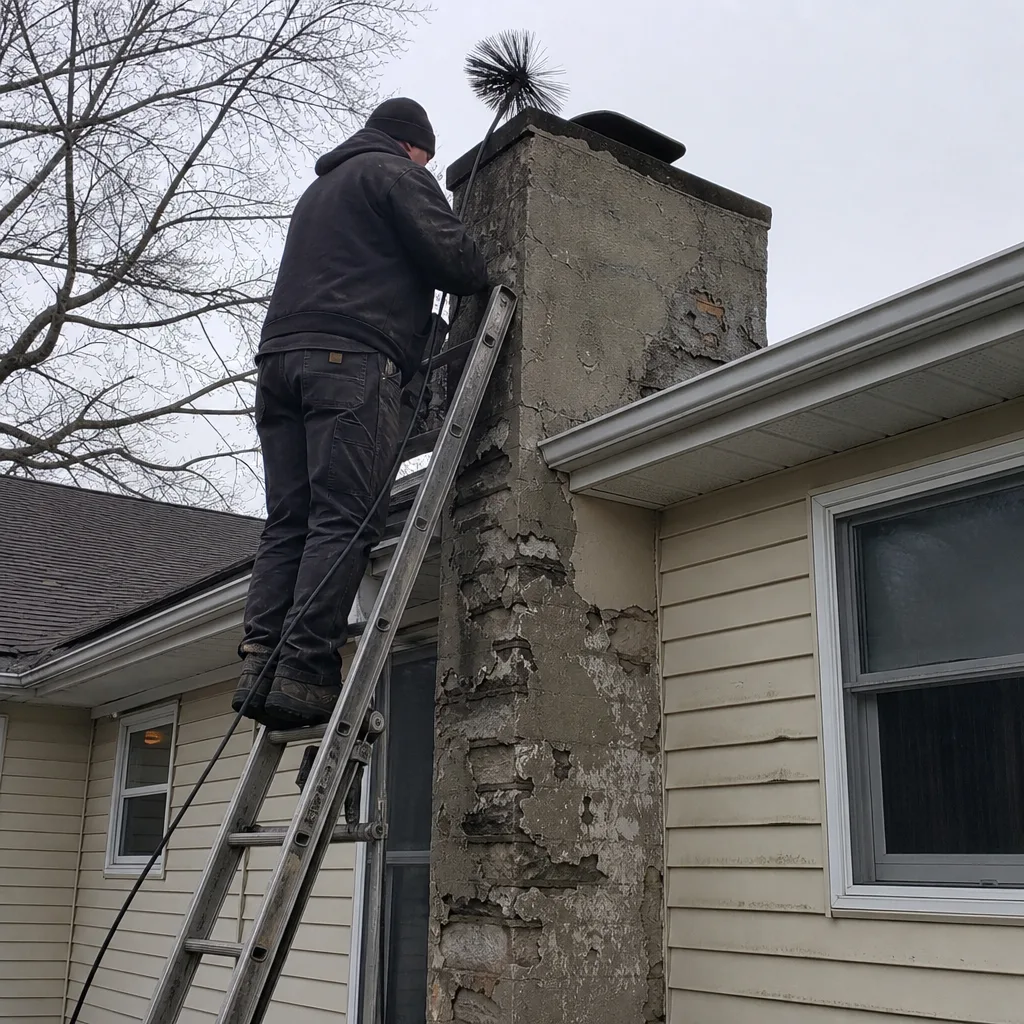 Before
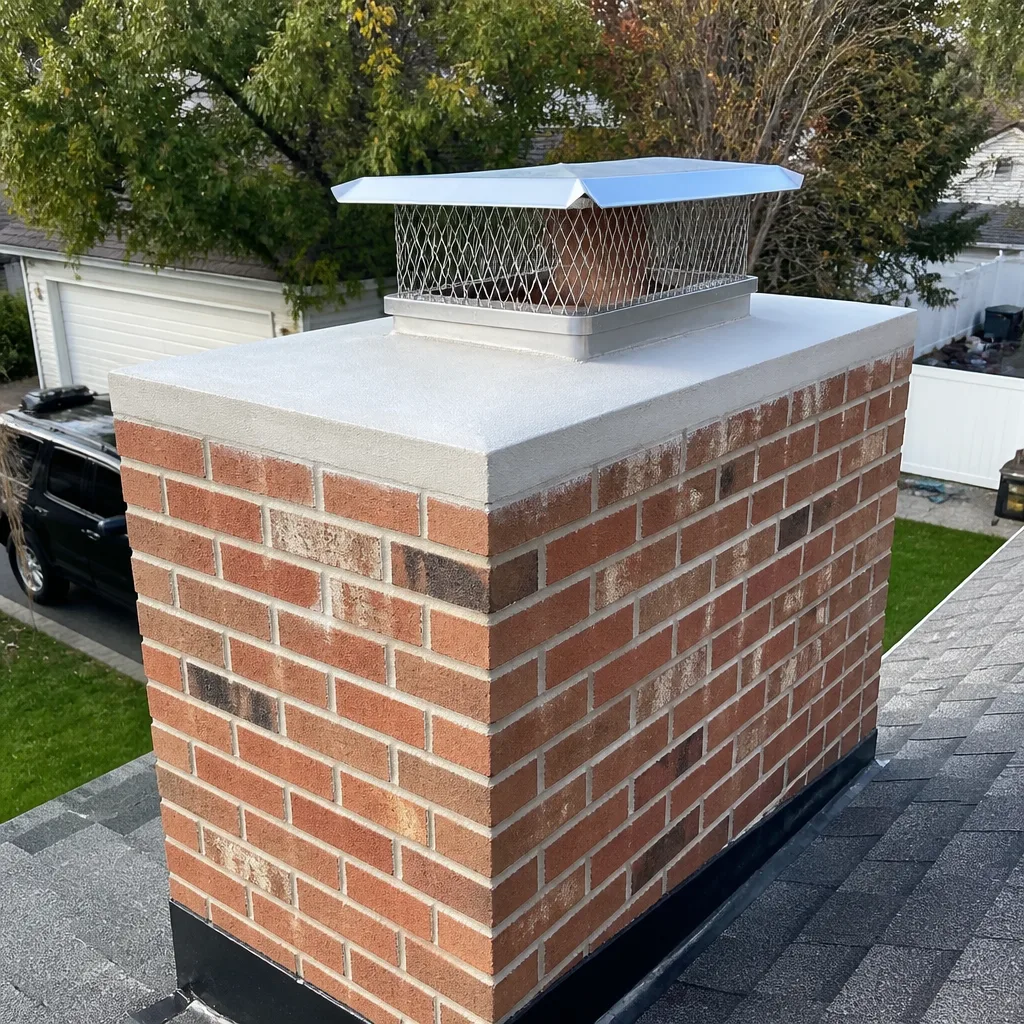 After
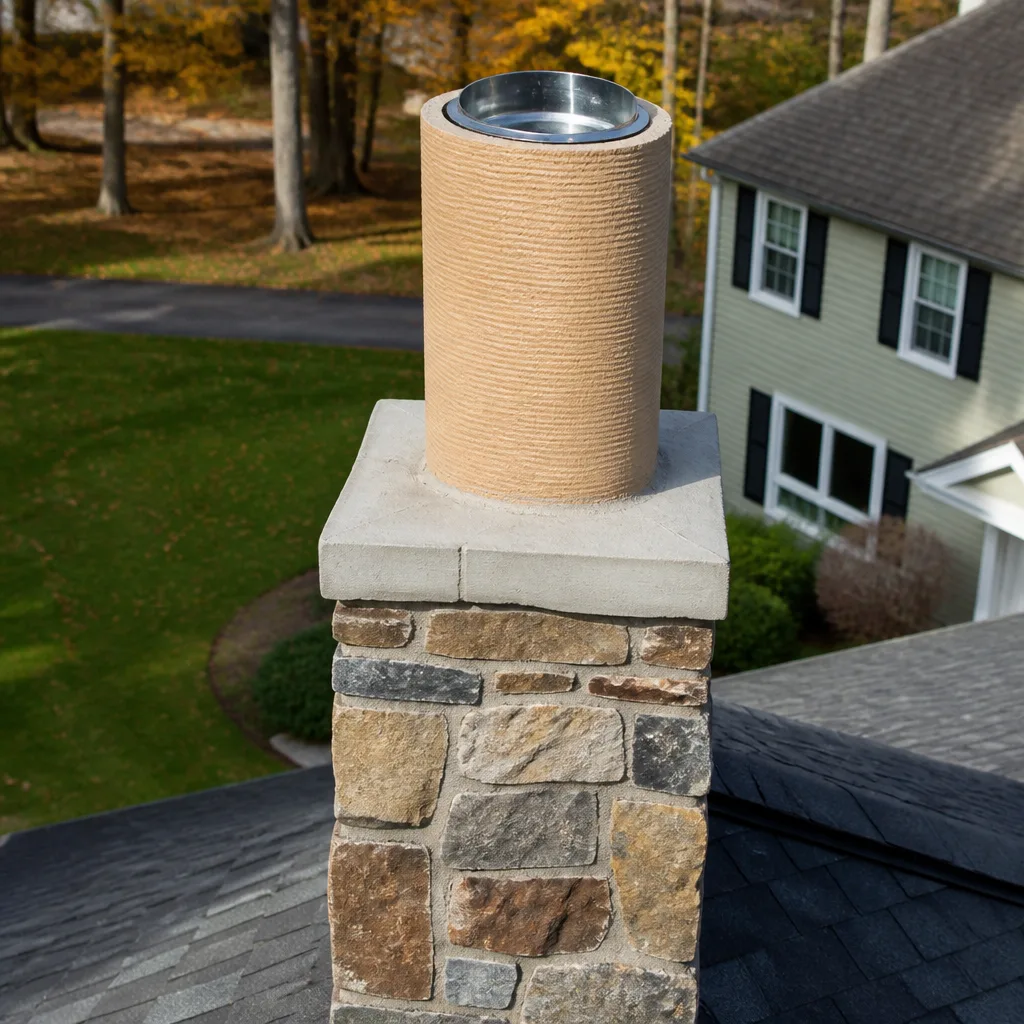
After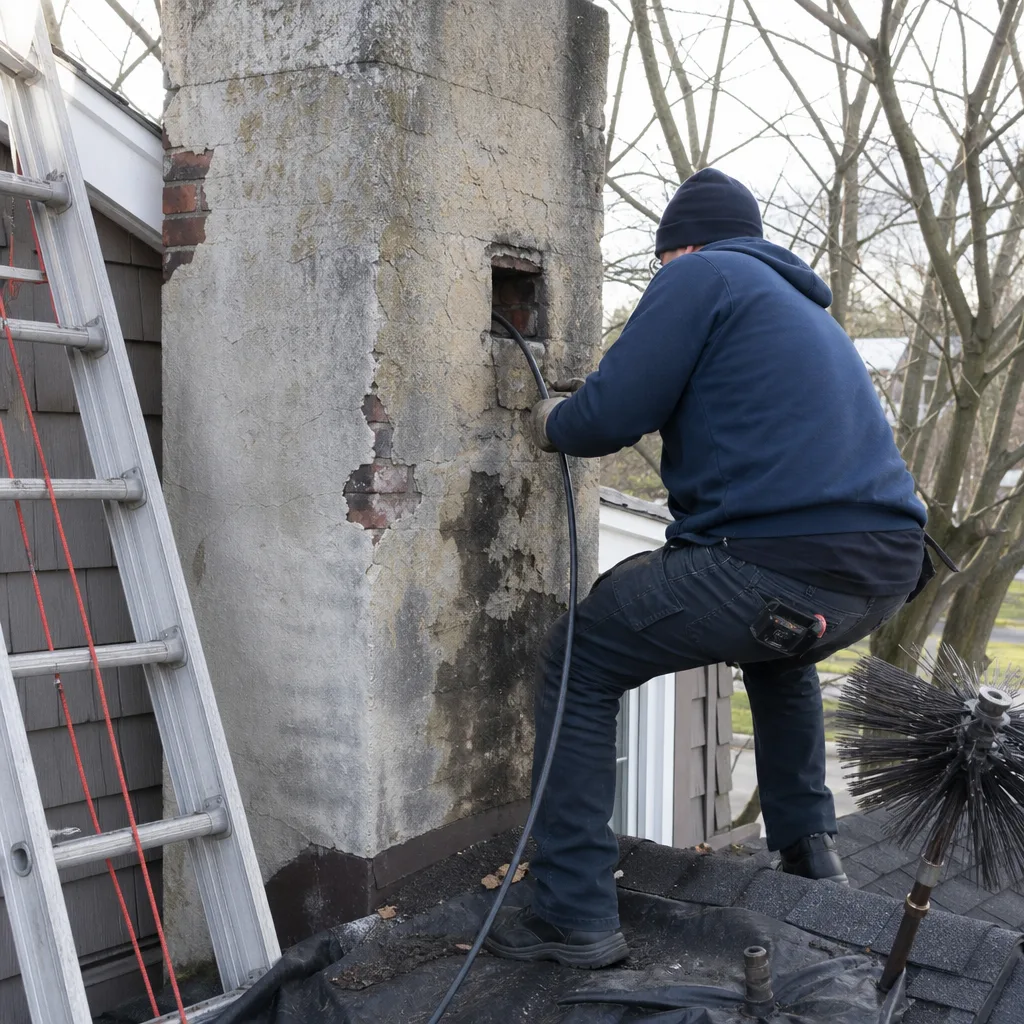 Before
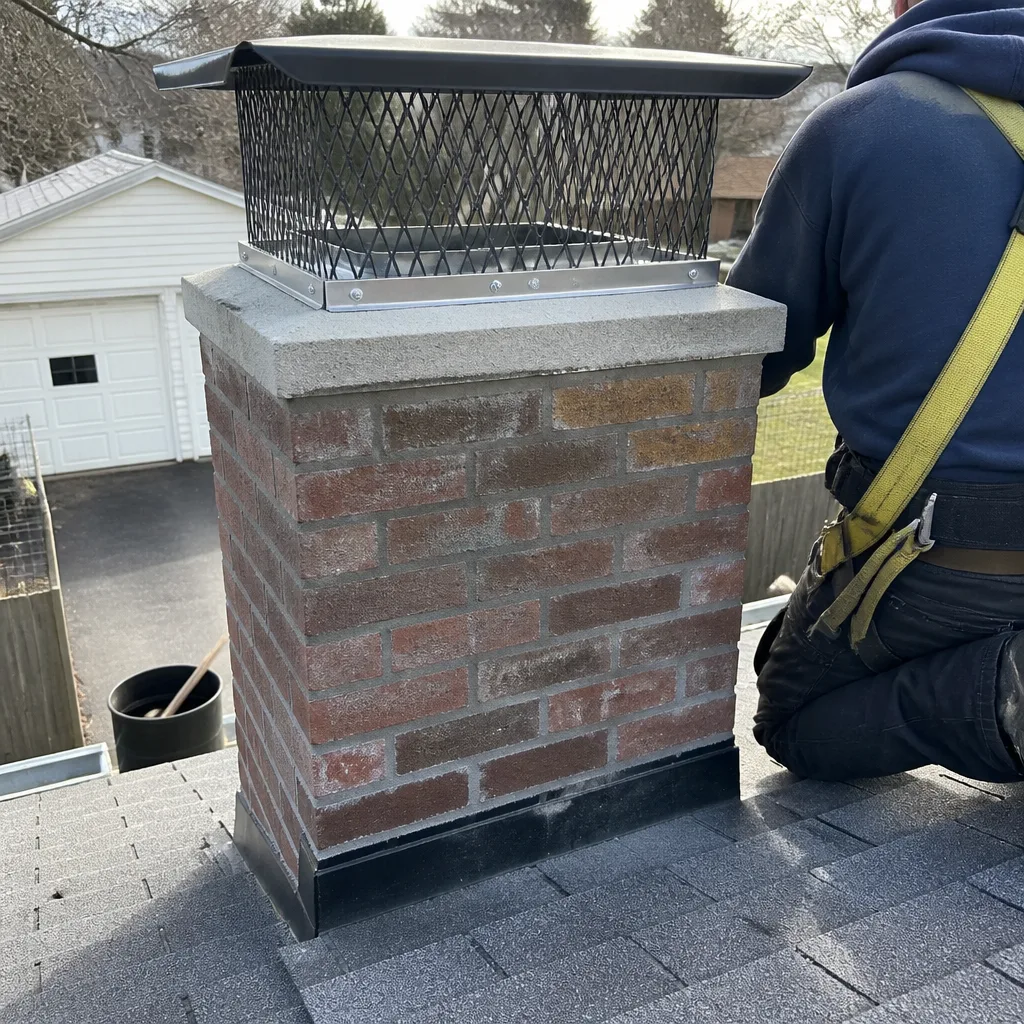 After
AfterFast, Reliable Chimney Repair Across Deer Park
Chimney repair in Deer Park usually starts with one question: is your flue still doing its job? Most homes here were built between the 1950s and 1970s, and a lot of those original clay tile liners are now cracked, acid-etched, or failing at the joints. We see it on nearly every pre-1975 oil-heat house in the hamlet. If you’ve noticed loose brick faces on the lawn, white staining on the masonry, or a faint oil-exhaust smell upstairs, call (631) 214-2108. Wendell Pike and his crew know these stacks. We’ve worked Deer Park long enough to know exactly what to look for before it gets worse.
Why Top Hat Chimney Is Deer Park’s Preferred Chimney Repair Company
Wendell Pike founded Top Hat Chimney in 1999, and he still runs jobs the same way today. You get a real name and a real face on your roof, not a rotating cast from a call center. When you call, a live person answers. Sometimes it’s Wendell himself. Deer Park homeowners have already been burned by national outfits that quote one number on the phone and a different one at the door, so we make it simple: the price you hear before work begins is the price on the invoice. That’s been the rule for over 29 years, and it holds on every repair we do here.
We answer calls around the clock. A lot of Deer Park work comes through word of mouth because Wendell runs into the same people at the deli on Deer Park Avenue or up at Tanger Outlets. You don’t hide behind a franchise name when you live where you work. Every tech is background-checked and shows up in uniform with a real arrival window. And every job carries the 90-Day Done Right Promise in writing: if it’s not done right, one call brings the crew back at no extra charge. No fine print.
Local reputation matters here. We’re the ones who’ve pulled cracked flue tiles out of Cape Cods off Commack Road, who’ve repointed chimneys on ranches near the Deer Park schools, who’ve sleeved liners on split-levels over by the Babylon line. Ask anyone on your street. They’ll tell you.
Our Chimney Repair Services in Deer Park
Our Chimney Repair work in Deer Park covers the full stack, but a few services matter more here than anywhere else. Dense post-war housing, shared flues, and humid marine air create specific failure patterns. Here’s what we handle most.
Flue Liner Repair & Relining
This is the big one in Deer Park. Original clay tile liners in 1950s and 1960s homes were built for oil-burner flues, and decades of acidic sulfur condensate have etched through the glazing into the mortar joints. Once a liner cracks, flue gases can bypass into the brick wythe and work their way into wall cavities or adjacent flues. We sleeved a home off Carlls Path where two oil-burner flues shared a single masonry stack, and the neighboring unit’s liner had separated at the joints. Sulfur-rich gases were migrating through the void into the client’s upstairs bedroom. We sleeved the damaged flue with a DuraFlex stainless liner and sealed the smoke chamber with HeatShield, isolating both flues and restoring draft before the next heating season. That’s the repair Deer Park needs more than any other.

Mortar Repointing
Mid-century masonry was never designed for Suffolk County’s humidity. Moist air from Great South Bay to the south and Long Island Sound to the north means Deer Park chimneys absorb ambient moisture year-round. Then winter hits, and every freeze-thaw cycle works those joints a little looser. Repointing isn’t cosmetic. It’s what holds the stack together. We cut out degraded mortar and tuck in fresh joints matched to the original color and profile, so the repair reads like the rest of the wall. On attached homes, we work carefully along the party line so the neighbor’s side isn’t disturbed.

Chimney Waterproofing
Waterproofing in Deer Park is preventative, not optional. A masonry chimney soaks up water like a sponge, and when that water freezes, brick faces pop. We apply a vapor-permeable waterproofing treatment, the kind that lets moisture out but stops rain from getting in. We use Gelco and Olympia Chimney products because they hold up to Long Island’s wet winters. A sealed chimney lasts years longer than an unsealed one, especially on tight blocks where roofs shelter each other but stacks stay exposed. It’s one of the cheapest repairs we do, and it saves the most expensive ones.

Flashing Repair
Flashings fail quietly. Most homeowners don’t notice until water stains appear on the ceiling or a damp smell shows up near the hearth. On Deer Park’s older Capes and ranches, original flashing was often thin galvanized steel that rusted through decades ago. We replace it with proper step and counter flashing, sealed at the roofline so water runs off instead of in. Flashing repair matters double on attached homes, because a leak on the shared wall can work into both properties. We check what’s there, show you photos of what we found, and only replace what actually needs it.

What happens when you call
- 1
A real person answersNo phone trees - you reach a local pro.
- 2
You get an upfront price rangeHonest numbers before anyone is dispatched.
- 3
A background-checked tech heads outLicensed & insured, dispatched right away.
- 4
You approve before work beginsNothing starts until you say go.
Trusted Brands We Service in Deer Park
We install and service products from DuraFlex, HeatShield, Gelco, and Olympia Chimney. These aren’t generic parts ordered from a catalog. They’re the liners, sealants, and waterproofing systems that hold up to Suffolk County’s specific conditions. We keep common components stocked for Deer Park jobs, so we’re not waiting on a warehouse when your liner needs sleeving. If your current chimney was built with Famco or Copperfield components, we service those too. We don’t carry every brand. We carry the ones we’ve seen perform well here on Long Island for years. That’s the whole point.
Common Chimney Repair Problems We See in Deer Park Homes
- Shared-stack cross-contamination. Two or more oil-burner flues in a single masonry stack is normal on Deer Park’s attached Capes. When one unit’s clay liner cracks, acidic exhaust can leak into the neighbor’s flue and wall cavities. This is the most serious problem we find, and almost nobody outside Suffolk County’s oil-heat housing stock knows to look for it.
- Pre-1975 oil-heat liner degradation. The original clay tile liners in Deer Park’s post-WWII homes are now 50 to 70 years old. Decades of sulfur condensate have etched vertical cracks into the tile glaze, letting gases bypass into the brick and eat mortar from inside out. By the time you smell oil exhaust, the damage is already done.
- Freeze-thaw spalling on mid-century masonry. Humid marine air plus repeated winter cycling pops brick faces off narrow Deer Park chimneys. It’s worse where flashing has failed and water is already in the masonry. Spalled brick isn’t just ugly. It exposes the inner wythe to more water, and the cycle speeds up.
- Failed flashing on original galvanized steel. 1950s and 60s flashing was thin and didn’t last 30 years, let alone 60. Rust-through leaks work into ceilings, attics, and shared walls. We replace it with proper step flashing sealed for Long Island weather.
Pricing for Chimney Repair in Deer Park, NY
Here’s what to expect, straight, before a tool comes off the truck. Flue liner repair or relining in Deer Park typically runs $1,800 to $3,400, depending on how many flues share the stack and how much of the old liner needs sleeving. Mortar repointing usually lands between $600 and $1,400 for most Deer Park chimneys, though a full repoint on a tall or heavily damaged stack can push toward $2,100. Chimney waterproofing runs $350 to $650 for a standard one-stack home. Flashing repair is $400 to $900, more if the roofline is steep or both sides of a shared wall need work. Your exact number depends on what we find, and we show you the camera footage before any price is discussed. The price you hear on the phone is the price on the invoice. Every estimate is free. Call (631) 214-2108.
We Also Serve Cities Near Deer Park
Deer Park is home base for a lot of our work, and we cover the surrounding area too. The same crew serves Chimney Repair in Deer Park and the neighboring communities of North Babylon, Wyandanch, West Islip, and Brightwaters. If you’re just over the hamlet line, you’re still in Wendell’s service area. Same pricing, same guarantee, same face on the roof.
Serving Deer Park, NY - Our Local Coverage Area
We’re based in the Deer Park area and know this community well. Use the map below to see our service coverage - if you’re nearby, we can almost certainly help.
FAQs - Chimney Repair in Deer Park
Because your neighbor’s flue is leaking into yours. Most Deer Park attached homes share a single masonry stack with two or more flues side by side. When one flue’s clay tile liner cracks, exhaust can migrate through the void into adjacent flues and wall cavities. That’s the smell you’re noticing. It’s not a nuisance. It’s a carbon monoxide pathway. Call (631) 214-2108 and we’ll camera the stack and show you exactly where the gases are crossing over. The fix is usually a stainless liner sleeve plus HeatShield sealing, which isolates both flues permanently.
A camera inspection is the only way to know for sure, and we show you the footage before quoting anything. But there are signs. White staining on the exterior brick means water is already in the system, and water finds cracks. Faint oil smells in upper rooms, especially on damp days, suggest gases are finding a way out. If your chimney is original to the home and the boiler still runs on oil, the liner is 50 to 70 years old and sulfated. At that age, cracking is nearly guaranteed. The question isn’t if, it’s how bad. A camera inspection runs free as part of our estimate. Call us and we’ll set one up.
Yes. We repoint from the outside, working joint by joint along the party line. We don’t cut into the neighbor’s side of the wall unless the damage extends there, and if it does, we’ll tell you before any work starts. Most Deer Park shared stacks only need repointing on the exposed faces, which are the ones taking weather from the roof line. We match mortar color and profile so the repair blends. Your neighbor won’t lose a brick, and you won’t need a party-wall agreement for basic repointing. If the stack itself needs rebuilding at the property line, that’s a different conversation, and we’ll walk you through it plainly.
Because Deer Park sits between two bodies of water, Great South Bay to the south and Long Island Sound to the north. That means humid marine air all year, and humid brick holds more water. When winter comes, the freeze-thaw cycle pops faces off masonry that’s already weakened by acid-induced mortar loss from oil-heat exhaust. Towns further inland get the freeze cycle too, but their brick stays drier between cycles. In Deer Park, the combination of moisture, freeze-thaw, and sulfur-damaged mortar hits all at once. It’s why we waterproof every chimney we repair here. The waterproofing isn’t an upsell. It’s the difference between repointing once and repointing every five years.
It changes everything. Any work we do on your flue has to account for the adjacent flue’s condition, because the two systems share mortar, brick, and often the same air space inside the stack. If your neighbor’s liner is cracked and we only fix yours, the cross-contamination comes back through the shared void. So we camera both flues, show you both sets of footage, and quote the repair that actually solves the problem. Sometimes that means sleeving only your side. Sometimes it means sealing the stack with HeatShield so both flues stay isolated. We’ll tell you what’s needed and what can wait. That’s the honest word. Call (631) 214-2108 for a free estimate, and bring any written quote from another company for a free second opinion.
Written by Wendell Pike, Owner at Top Hat Chimney, serving Deer Park and surrounding Suffolk County communities since 1999.