
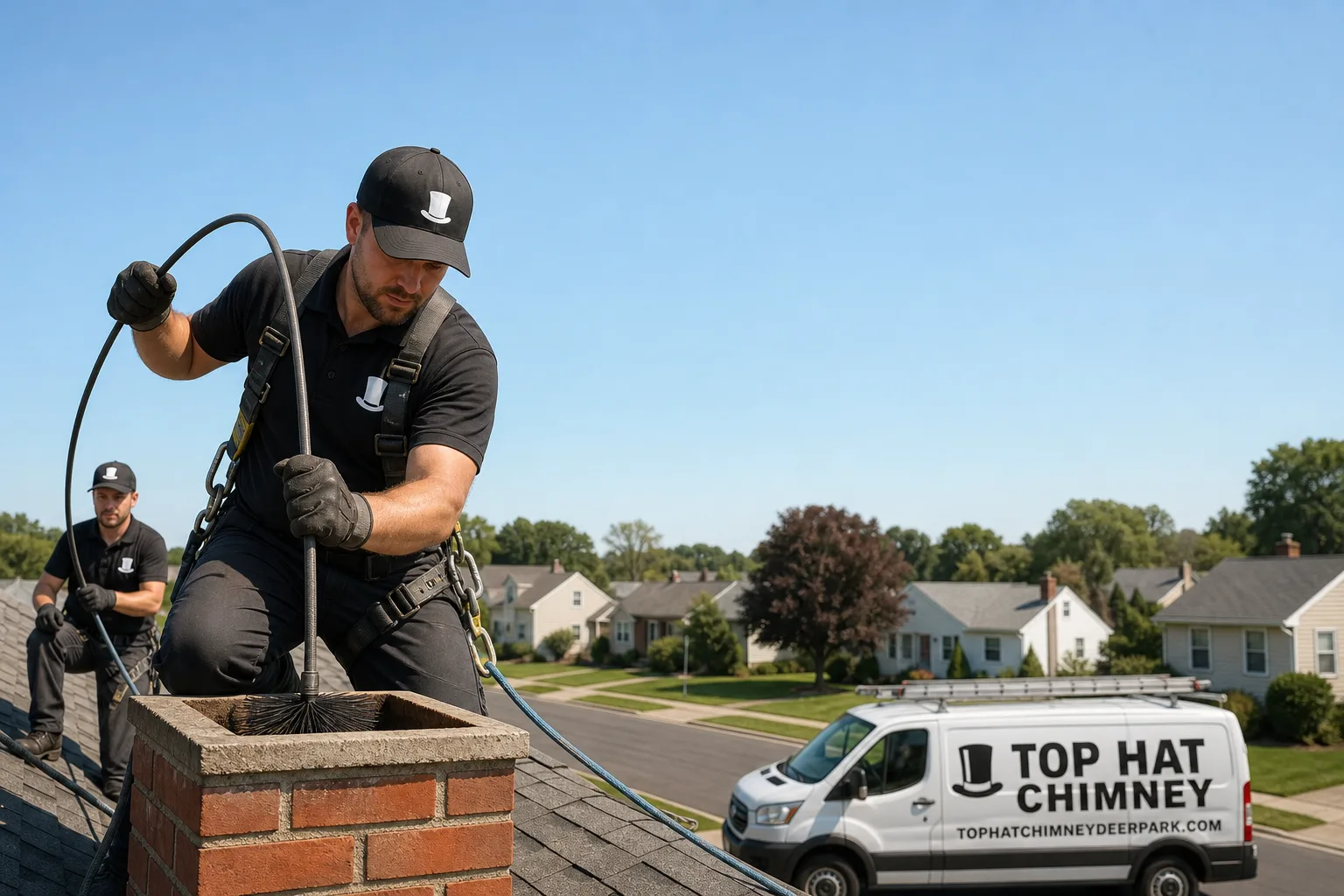
Level 1 sweep and inspection to the NFPA 211 annual standard - flue, crown, cap, and flashing checked and photographed
Chimney sweep logs do not sweep chimneys. They loosen some creosote - which then falls where a brush and vacuum still have to collect it.
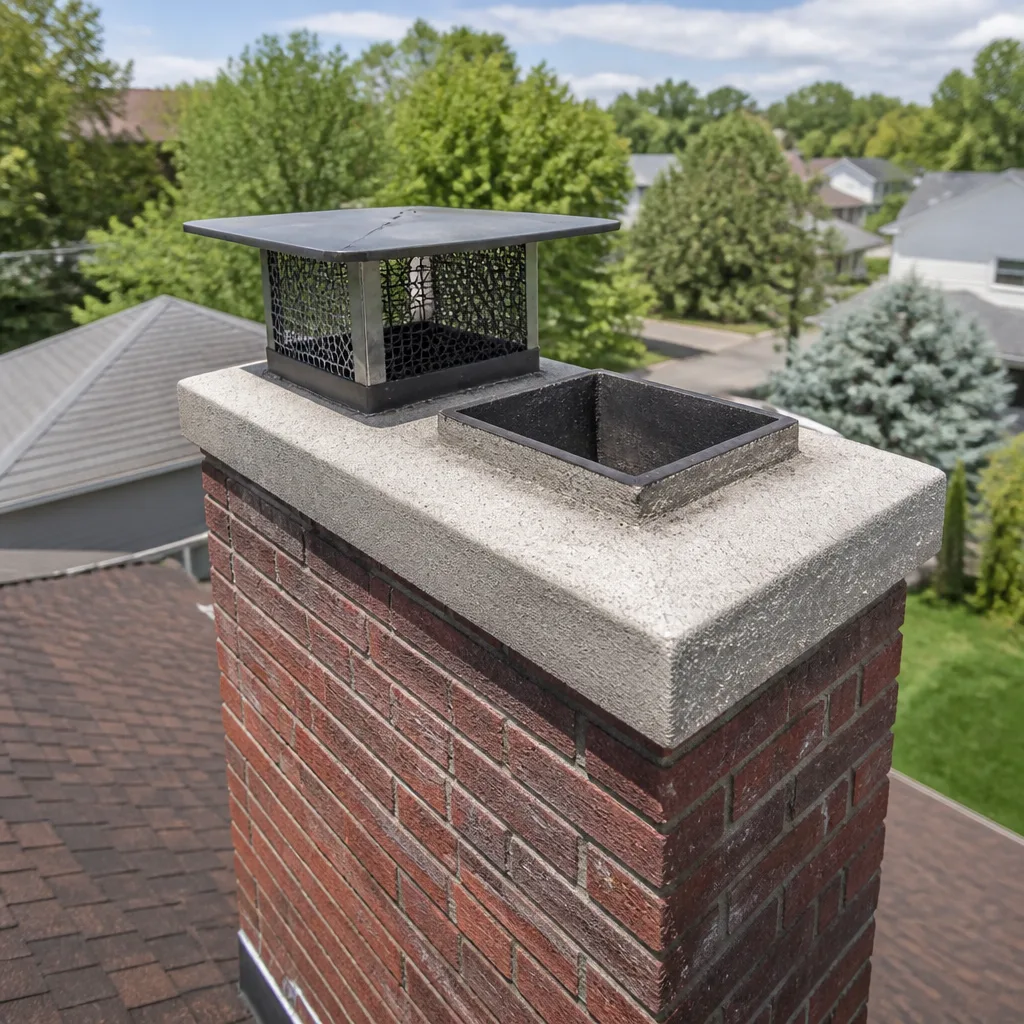
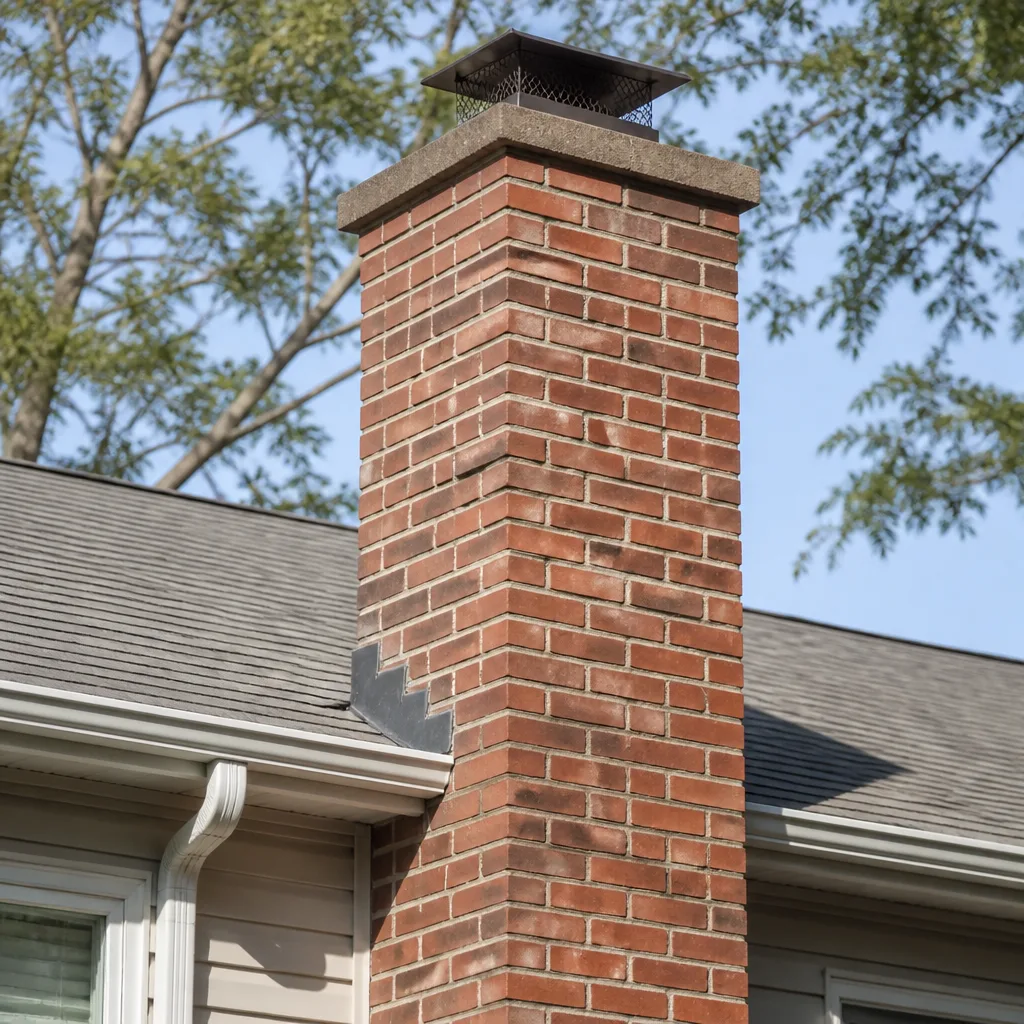
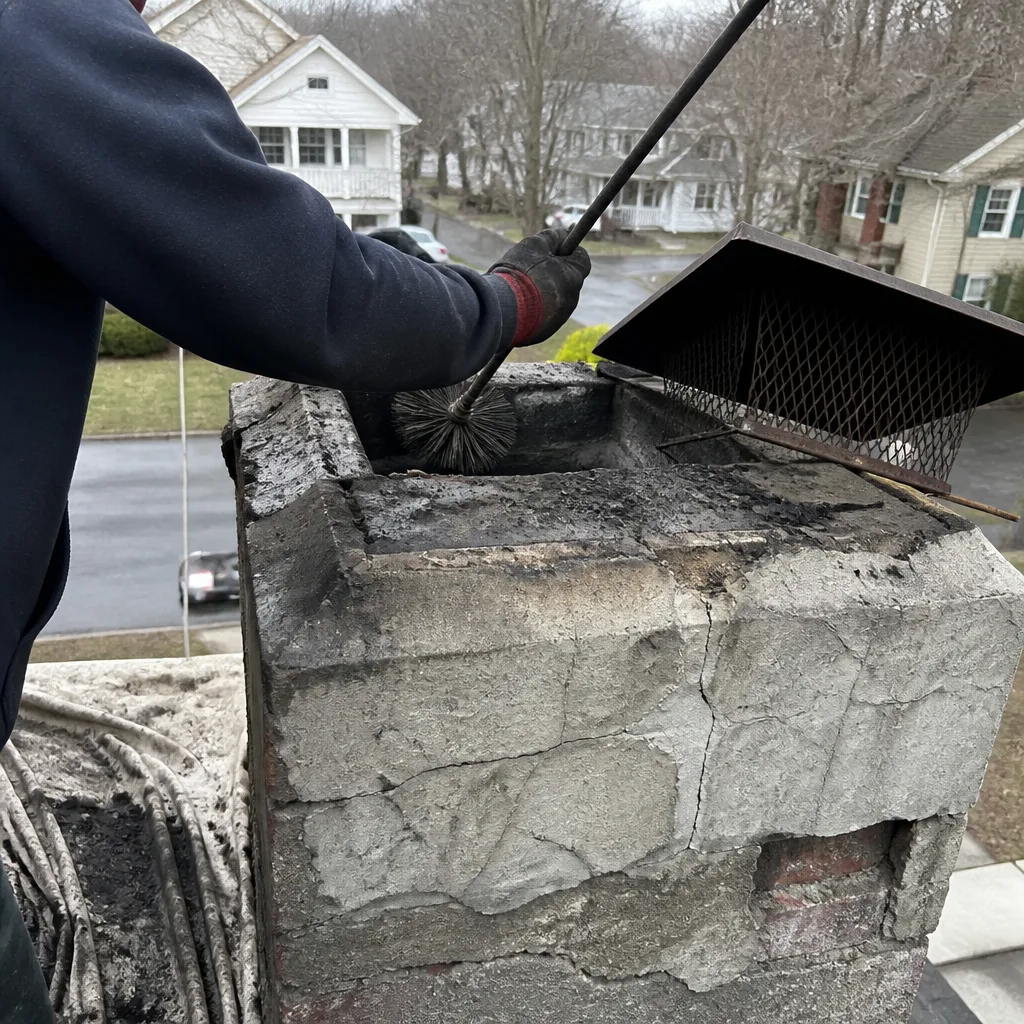 Before
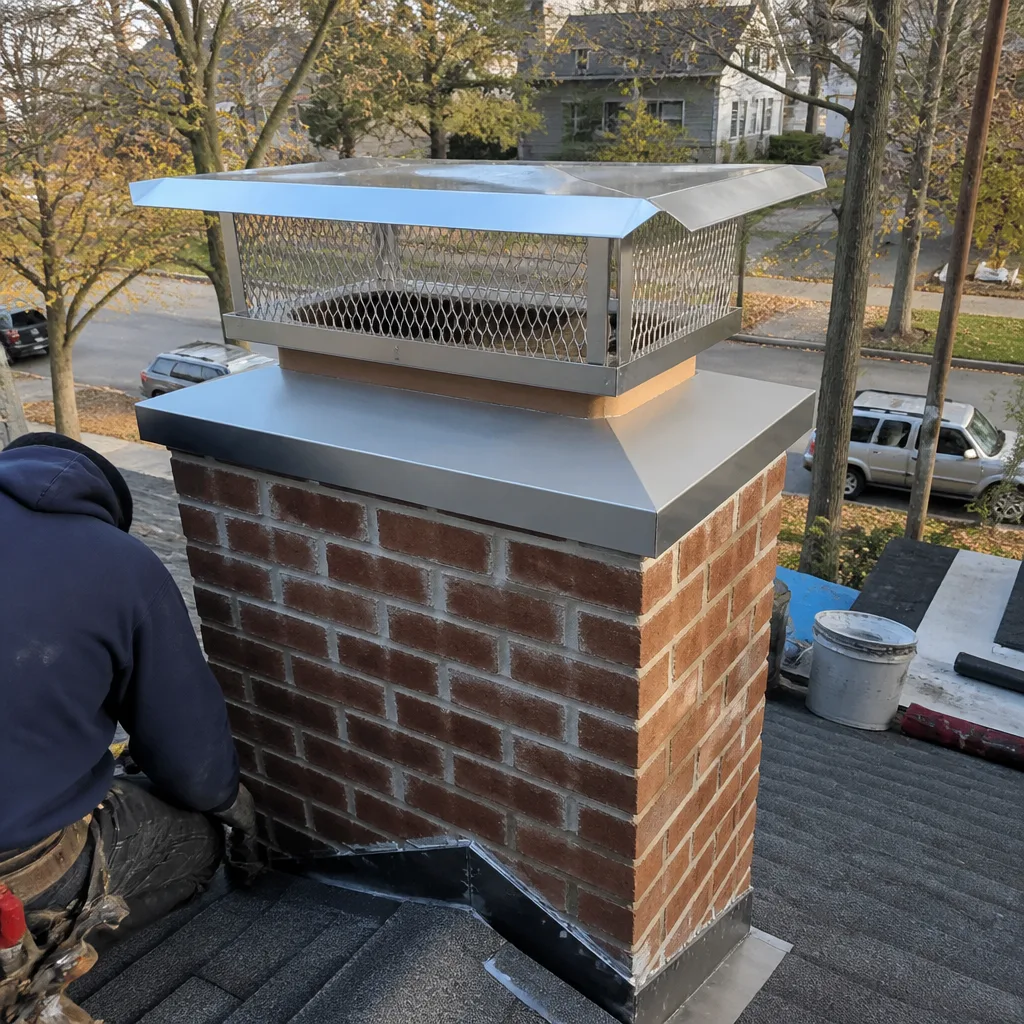 After
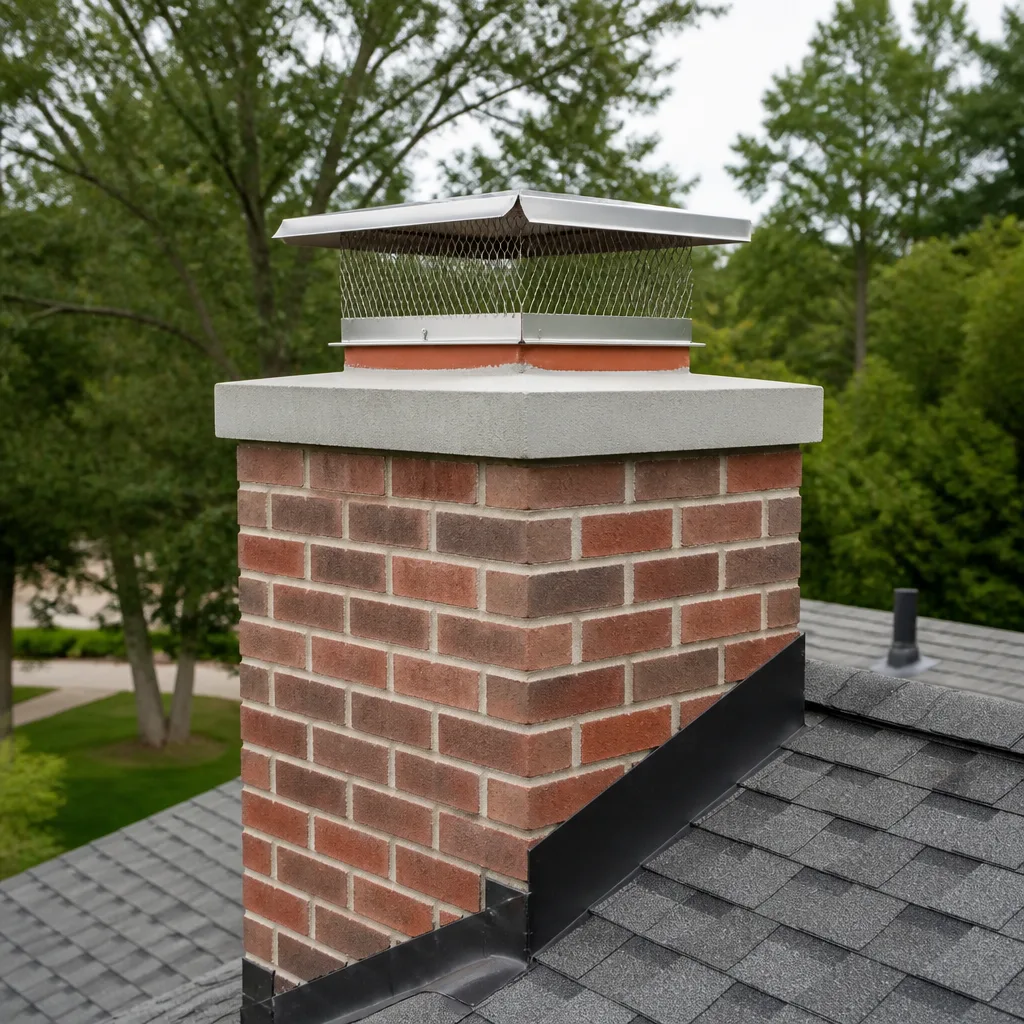
After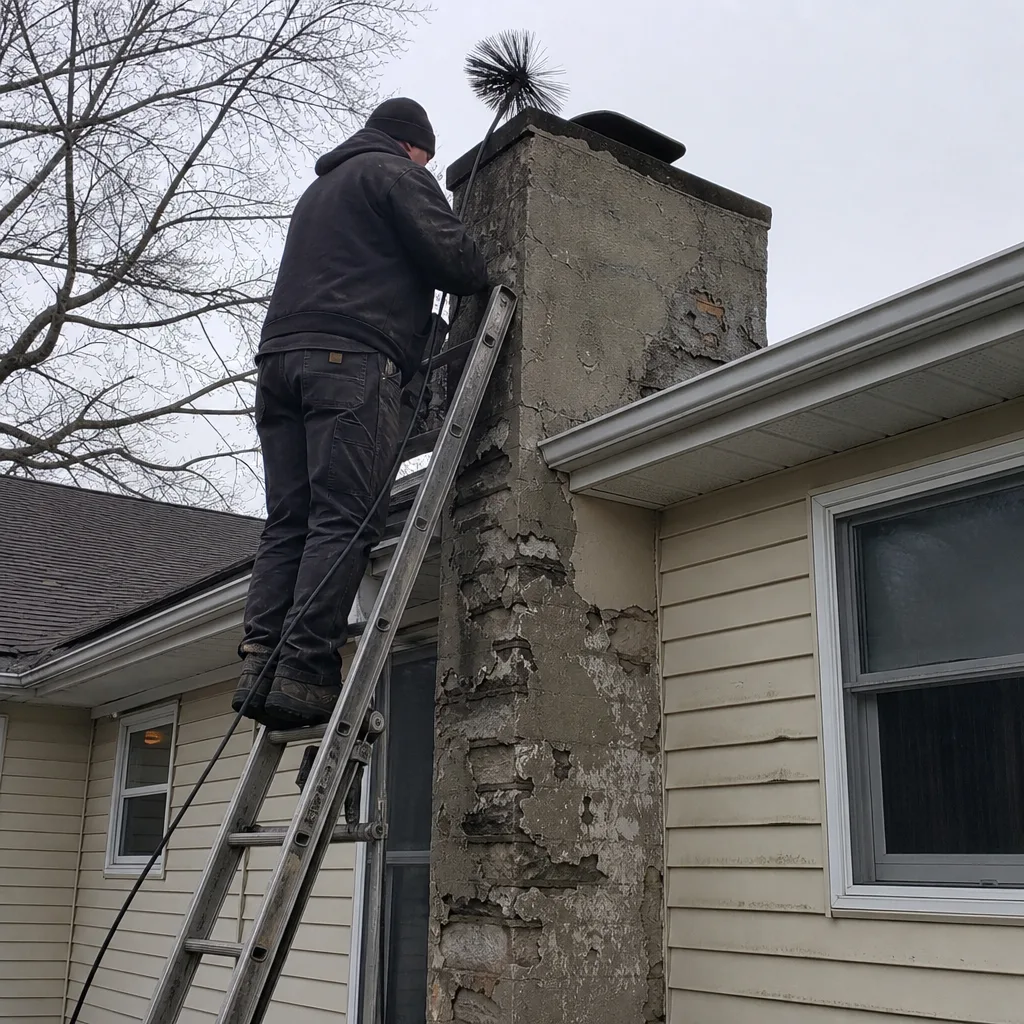 Before
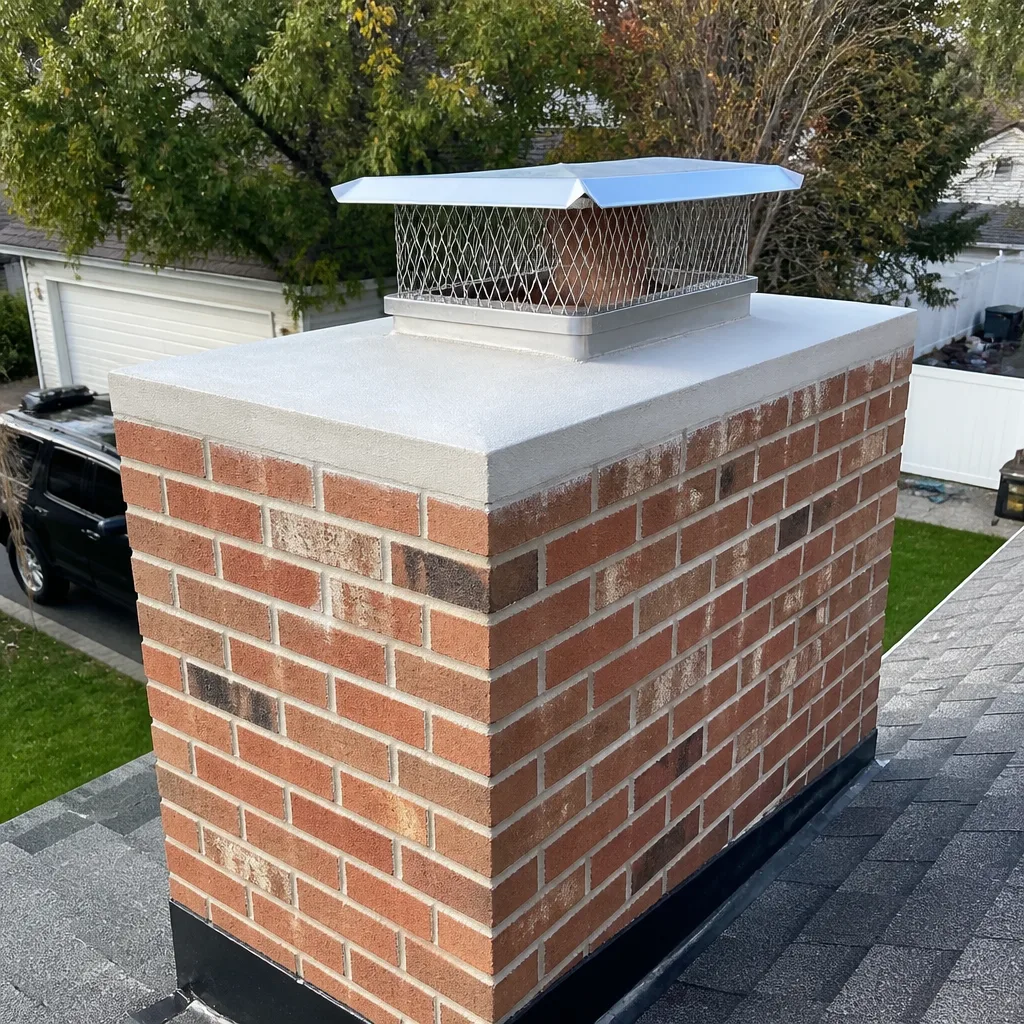 After
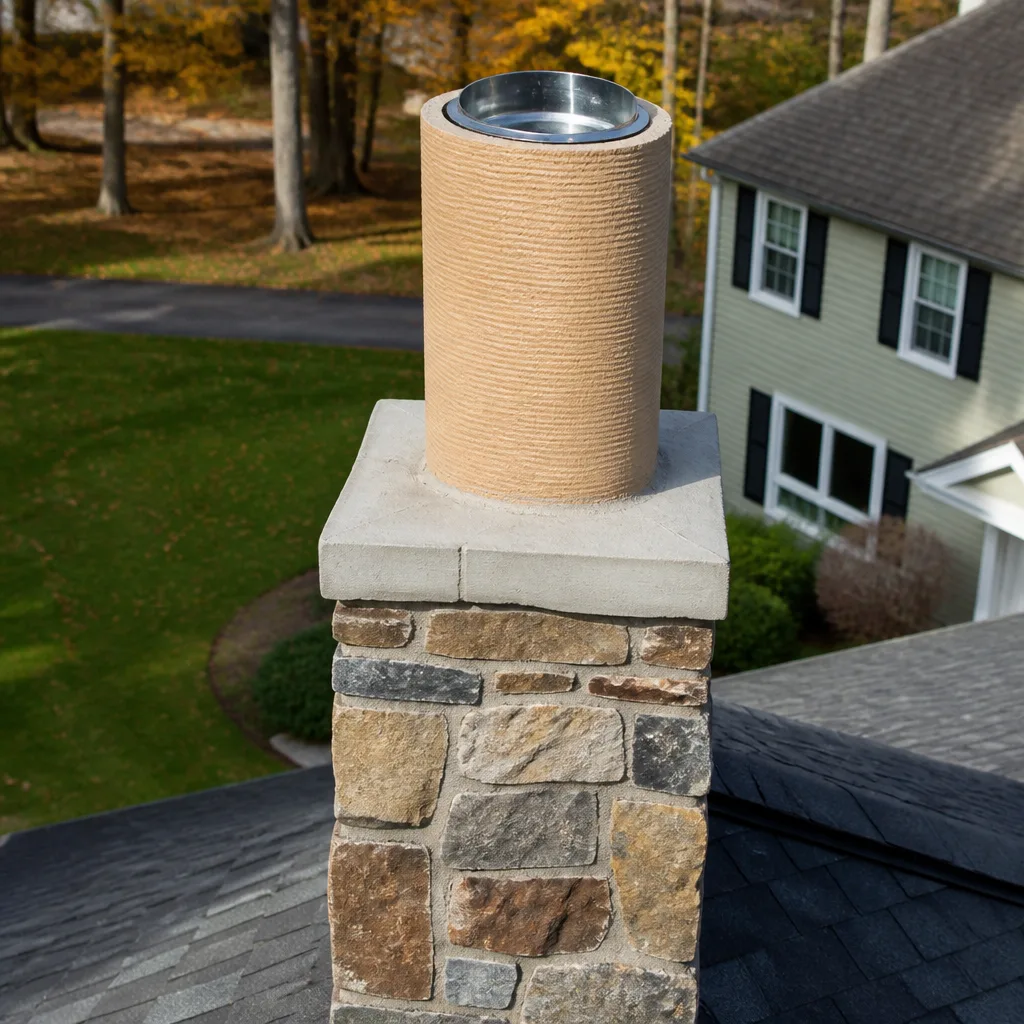
After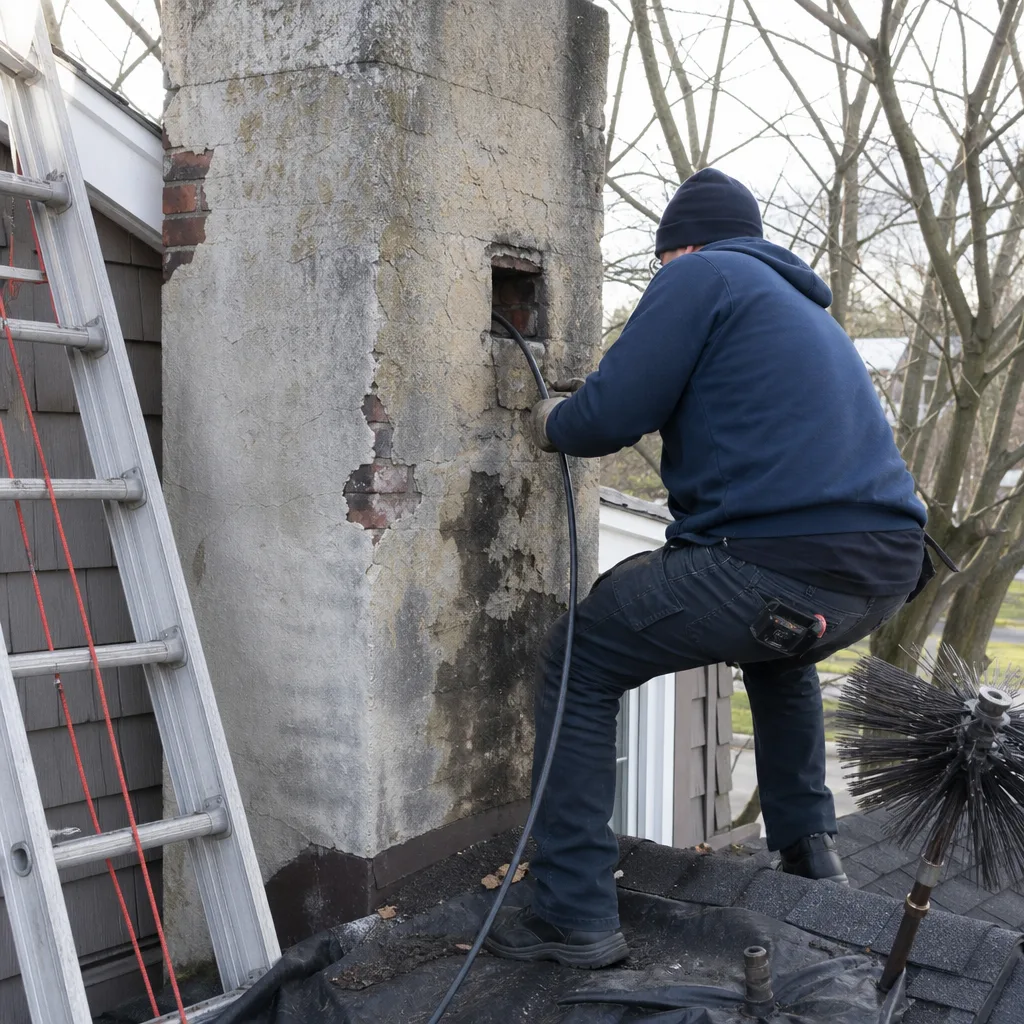 Before
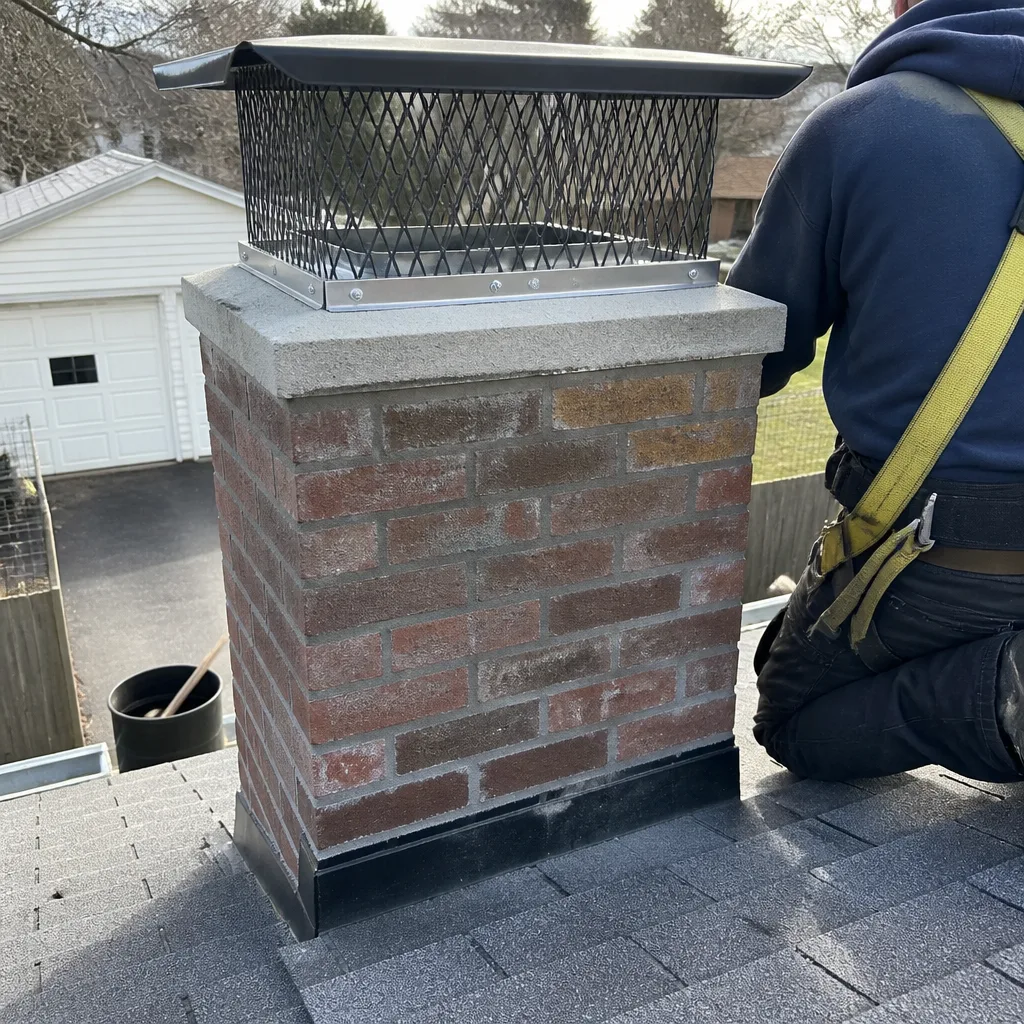 After
AfterFast, Reliable Chimney Cap & Crown Across West Islip
A chimney cap and crown in West Islip typically costs $300-$1,400 depending on whether we’re repairing a crown, rebuilding it, or installing a new cap, and most jobs are completed in a single visit. We’ve been inside more South Shore chimneys than we can count, and the one thing West Islip homes share is this: a crown that fails here fails differently than it does ten miles north. Call (631) 214-2108 and you’ll get Wendell or a live person who knows the difference between a cap that shifted during Sandy and a crown that was never poured right in 1963. No call center. No number-at-the-door games.
Why Top Hat Chimney Is West Islip’s Preferred Chimney Cap & Crown Company
Wendell Pike founded Top Hat Chimney in 1999, and he’s been running into the same West Islip homeowners at the bagel shop on Udall Road ever since. That’s the difference. When you put your name on the work and you see the customer again on Saturday, you don’t cut corners. Our Chimney Cap & Crown work across West Islip is backed by the 90-Day Done Right Promise in writing, on every single job. If it’s not right, one call brings the crew back at no charge. No arguing, no “that’s normal wear.”
West Islip homeowners tell us the same story about national outfits: a quote that changed at the door, a crew that rotated through, and a phone number that stopped answering. We publish our address, our license, and Wendell’s name. Every technician is background-checked and uniformed, and you get a real arrival window that actually means something. We’ve earned our reputation in West Islip one chimney at a time since before half the homes here were re-sided. Ask anyone on your street.
Our Chimney Cap & Crown Services in West Islip
Cap Installation
A properly sized cap on a West Islip chimney does more than keep rain out. It stops wind-driven nor’easter moisture from saturating the flue liner and turning first-degree creosote into a tar glaze no brush can remove. We stock stainless steel caps in the common flue sizes for the 1950s and 60s masonry chimneys that dominate this hamlet, so we’re not ordering parts and making you wait a second visit.

Cap Replacement
If your existing cap shifted during Superstorm Sandy or has rusted through along the salt-exposed south edge, we replace it. We don’t just swap the lid and leave. We assess why it failed. On homes along the bay side of West Islip, we’ll often find a cap that was sized wrong from the start, letting sideways rain drive straight down the flue. The camera footage and a plain-English verdict, every time, no exceptions.

Crown Repair
Crown repair in West Islip is nearly always about salt. The crown wash, that sloped mortar top that sheds water off the chimney, erodes faster here than in inland Suffolk towns. We cut out loose material, reset the bond, and pour a new crown wash with a proper drip edge so water sheds outward instead of running down the brick face. If we can save the existing crown, we’ll tell you that plainly and do exactly that. Nothing gets recommended without camera evidence you can see with your own eyes.

Crown Coating
For crowns that are structurally sound but starting to show hairline fractures, we apply a breathable crown coating, usually Gelco, that flexes with the freeze-thaw cycles of a South Shore winter instead of cracking with it. On a split-level off Udall Road, our tech found a Gelco coating that had failed along the south-facing edge where bay wind drives rain sideways. The crown was spalling and the flue liner showed third-degree creosote from years of damp, smoldering fires. We cut out the loose mortar, rebuilt the crown with a proper drip edge, and installed a custom multi-flue Copperfield cap sized to the home’s two fireplaces and the oil burner flue. The homeowner now burns seasoned oak at 400°F instead of slow-smoldering pine.

What happens when you call
- 1
A real person answersNo phone trees - you reach a local pro.
- 2
You get an upfront price rangeHonest numbers before anyone is dispatched.
- 3
A background-checked tech heads outLicensed & insured, dispatched right away.
- 4
You approve before work beginsNothing starts until you say go.
Trusted Brands We Service in West Islip
We install and service caps and crown coats from DuraFlex, Gelco, and Olympia Chimney, along with Copperfield for the occasional custom multi-flue fit. Because West Islip chimneys skew toward the 60-plus-year range with multiple flues stacked in one masonry chase, we keep common stainless cap sizes and crown mix in the truck. That means fewer return trips and a faster job for homeowners from Westbrook Village down to the bay side.
Common Chimney Cap & Crown Problems We See in West Islip Homes
- Hairline crown fractures from Sandy. The October 2012 surge didn’t just flood basements. It shifted chimney caps and cracked crown mortar on thousands of South Shore homes. Owners fixed the water inside and never looked up. Ten years of nor’easter rain through a hairline fracture saturates the flue liner from the outside in.
- Salt-eroded crown wash. Great South Bay air carries salt and moisture. The prevailing south wind drives it directly into west- and south-facing chimney faces. Mortar joints and crown wash erode roughly twice as fast on West Islip chimneys as they do on comparable homes in Central Islip, leaving crowns that spall, crack, and funnel water into the smoke chamber.
- Tipped or shifted caps. A cap that’s tilted an inch lets wind-driven rain pour straight down the flue opening. We see it on bayfront homes every season. The rain hits the accumulated creosote, saturates it, and bakes it into a glaze that no brush can remove. Your flue doesn’t care how the fire looks. It cares how it breathes.
- Creosote condensation from damper misuse. In the older capes and split-levels around West Islip, wood-stove users often close the damper too early on a low burn. That forces creosote vapor into the smoke chamber, where it condenses and drips back down as second-degree buildup. It’s not a cap problem, but it shows up on the crown and flue tiles, and we flag it when we see it.
Pricing for Chimney Cap & Crown in West Islip, NY
Here’s what you can expect to pay in this hamlet, not a national average.
- Cap installation, standard single-flue stainless: $300-$600
- Cap replacement including old-cap removal and flue assessment: $350-$750
- Crown repair, minor cracks and surface spalling: $400-$800
- Crown coating application, single-flue chase: $500-$900
- Custom multi-flue cap, fabricated to spec: $800-$1,400
- Crown rebuild with drip edge, larger chimneys: $900-$1,500
The number you hear on the phone is the number on the invoice. We give upfront pricing before a single tool comes off the truck, and we’ll tell you if a repair can safely wait. Call (631) 214-2108 for a free estimate or a second opinion on any written estimate you’ve received. No trip charge inside the county, and we take $40 off any repair over $200. Seniors and veterans always get 10% off.
We Also Serve Cities Near West Islip
Our Chimney Cap & Crown in West Islip coverage extends to the communities right around the hamlet. If you’re in Babylon, North Babylon, Brightwaters, or Bay Shore, you’re still in our county, still in our regular service run, and still getting a live person on the phone when you call. Same promise, same pricing, same face showing up at the door.
Serving West Islip, NY - Our Local Coverage Area
We’re based in the West Islip area and know this community well. Use the map below to see our service coverage - if you’re nearby, we can almost certainly help.
FAQs - Chimney Cap & Crown in West Islip
Your cousin isn’t getting the same wind. West Islip sits directly on Great South Bay, and the prevailing south wind drives salt-laden moisture into south- and west-facing chimney faces continuously. That salt works into the microscopic pores of the crown mortar, and every freeze-thaw cycle opens those pores a little wider. Sayville’s chimneys face the wind, but they don’t sit in the same continuous salt-spray zone that accelerates mortar loss on bayfront West Islip homes. The fix isn’t patching the crack, it’s repouring the crown wash with a proper drip edge or applying a breathable coating that flexes through the freeze-thaw cycle. Call (631) 214-2108 for an exact assessment, estimates are free.
Yes, in most West Islip homes the safe interval is six months. Here’s why. The damp, salt-heavy air means your firewood often carries higher moisture content than inland wood, and wetter wood burns cooler and produces more creosote. Add to that the hamlet’s older capes and split-levels with tight damper operation, and buildup reaches second-degree thickness faster than the standard annual recommendation assumes. Once a year, burn or no burn, and every six months if you’re burning through a full Long Island winter. Call (631) 214-2108 to book a sweep and we’ll show you the camera footage before we tell you anything needs doing.
Usually yes. Standard caps are sized for one flue opening. When you have a 1950s or 60s West Islip chimney with two fireplace flues stacked alongside an oil burner flue, standard caps either leave gaps or block one opening entirely. A custom multi-flue cap covers the entire chase with a single stainless lid, sized for all the flues. We measure, spec, and fabricate, and the Copperfield we install comes with the same 90-Day Done Right Promise as everything else. Call (631) 214-2108 and we’ll assess what’s actually on your chimney now.
Look for hairline cracks that run in a spider-web pattern across the crown wash, especially on the south and east edges facing the water. Those cracks appeared when storm-force wind pressed against the chimney stack and shifted the masonry just enough to fracture the mortar. The giveaway is that the cracks stay thin, they don’t erode like age cracks do, and they’re often paired with a cap that’s tilted just slightly off-center. We’ve found this exact pattern on West Islip chimneys from Westbrook Village to the bay-front blocks. The camera footage will show you exactly what we’re seeing. Call (631) 214-2108 for a free inspection.
Burn seasoned hardwood at a temperature that keeps the stove hot enough to send the smoke up and out instead of lingering in the flue. First-degree creosote is a brush job. Third-degree is a glaze, catch it early. In West Islip specifically, wind-driven moisture means any creosote that does form gets saturated more easily, and saturated creosote bakes into tar much faster. What won’t help is slow-smoldering pine with the damper half-closed. That’s the fastest way to a coating we then have to remove mechanically. Call (631) 214-2108 to talk through what you’re burning and how your stove is drafted, no charge for the conversation.
Written by Wendell Pike, Owner at Top Hat Chimney, serving West Islip since 1999.