
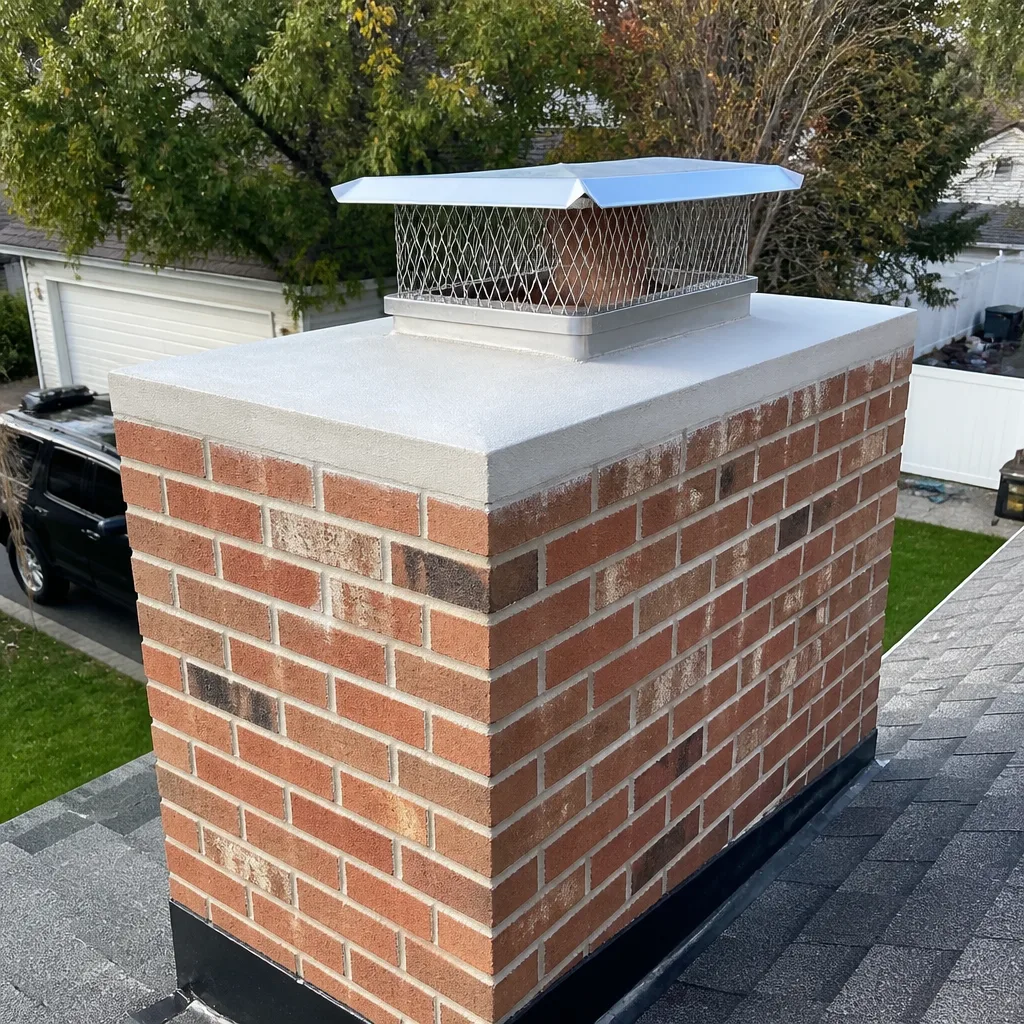
Level 1 sweep and inspection to the NFPA 211 annual standard - flue, crown, cap, and flashing checked and photographed
Chimney sweep logs do not sweep chimneys. They loosen some creosote - which then falls where a brush and vacuum still have to collect it.
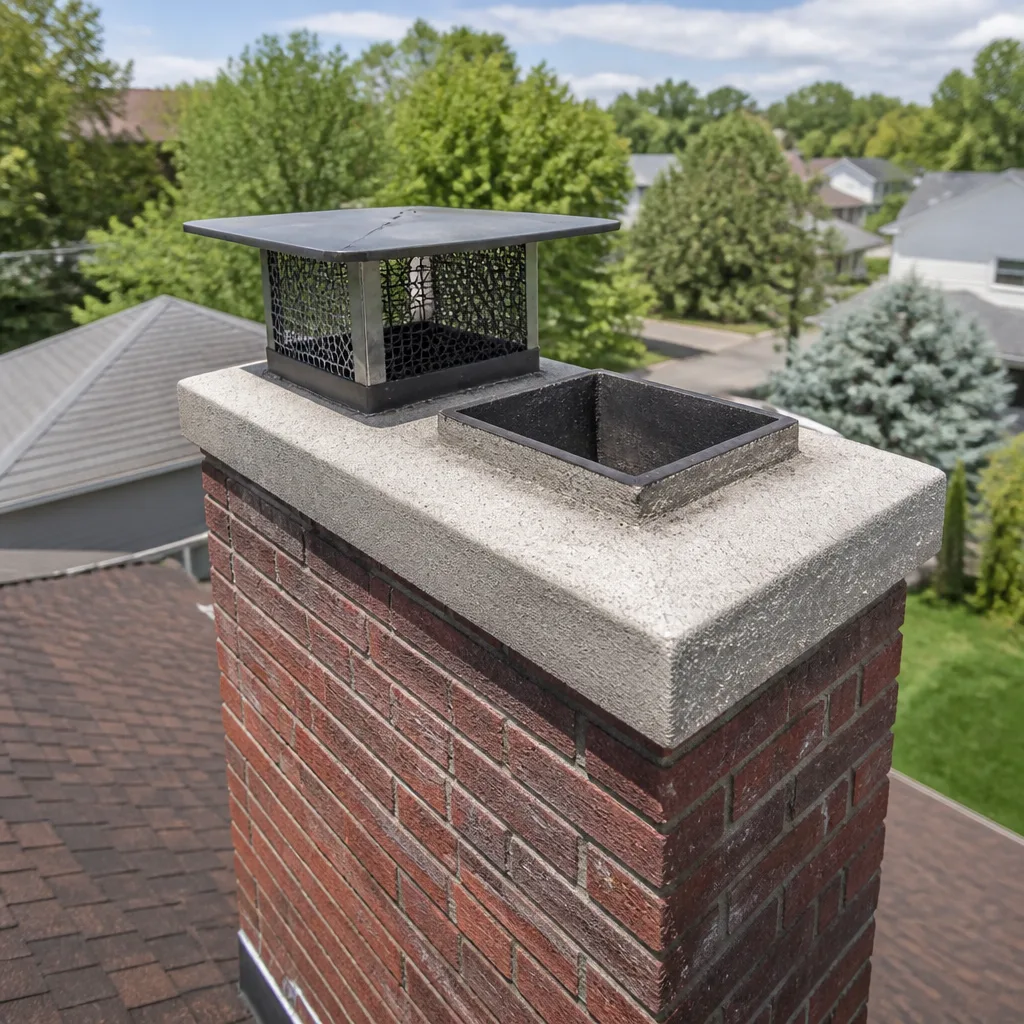
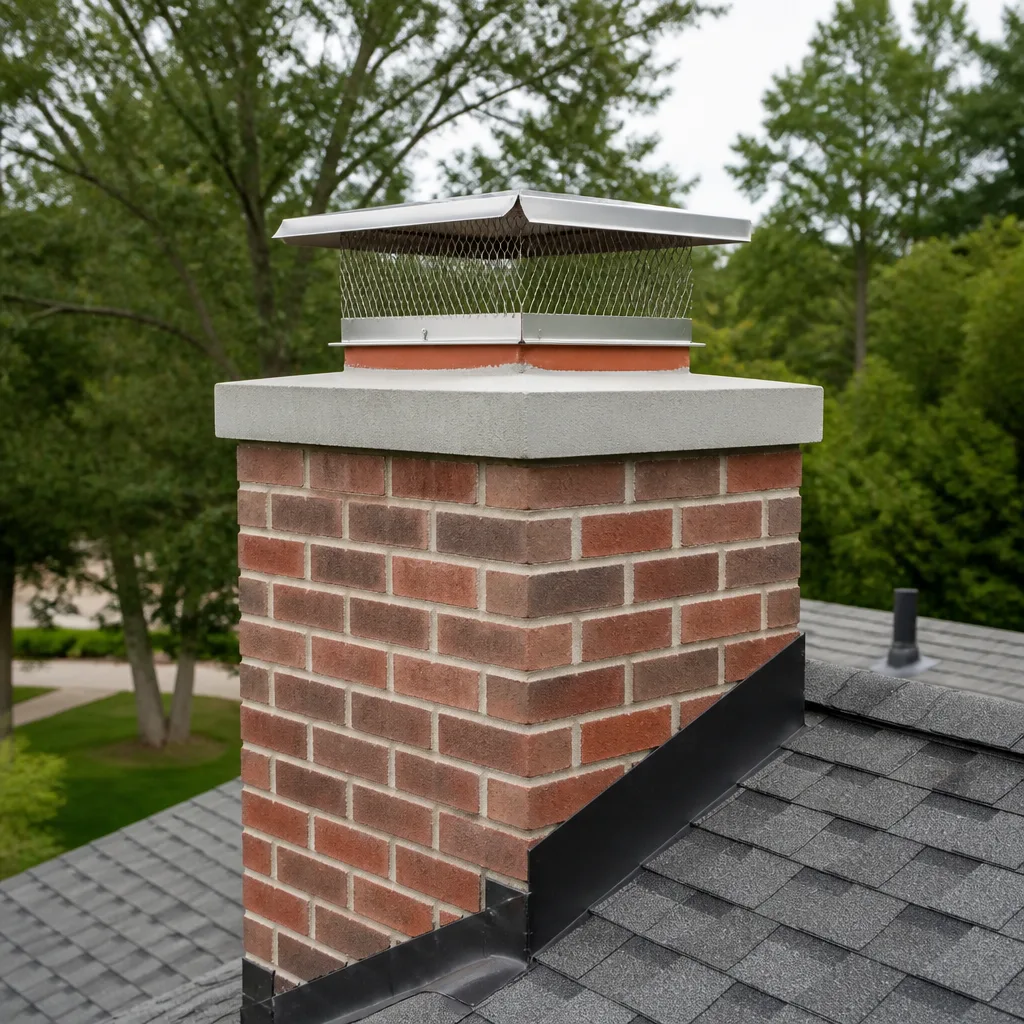
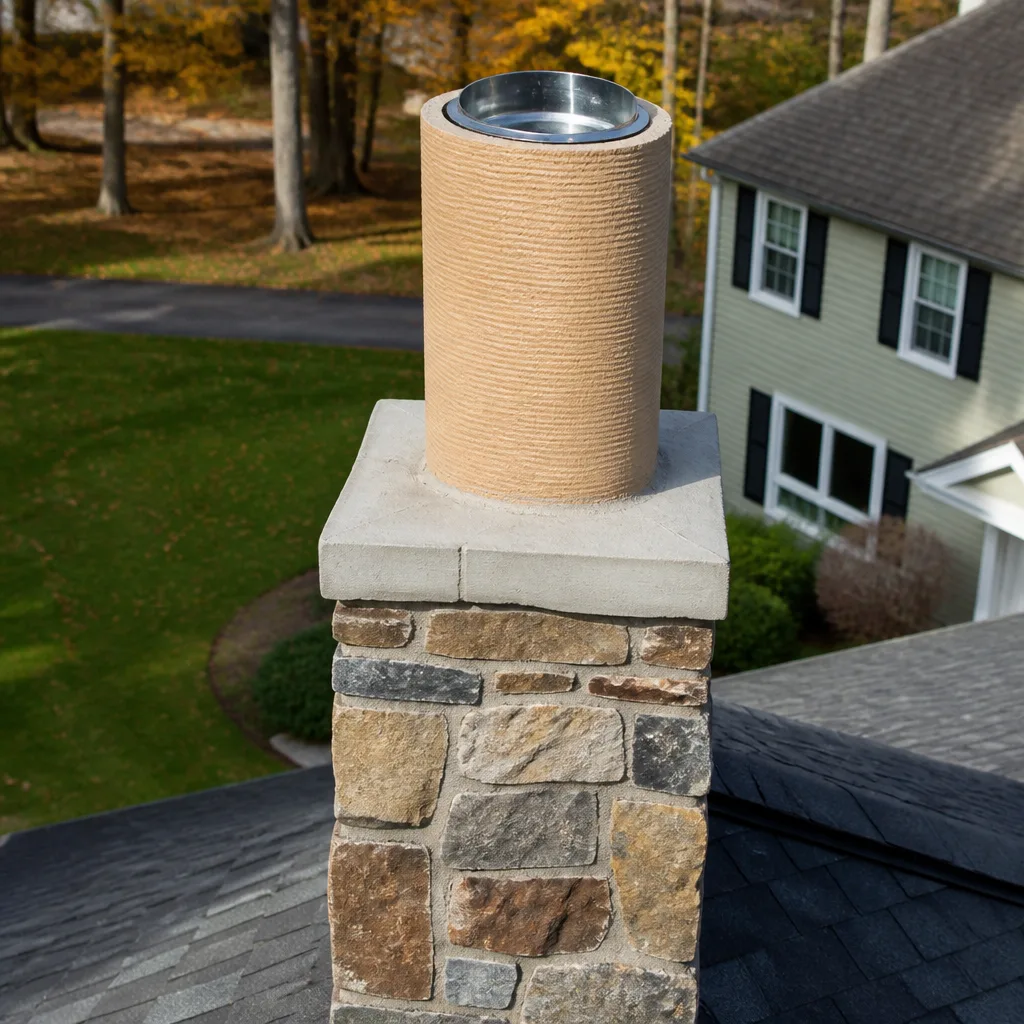
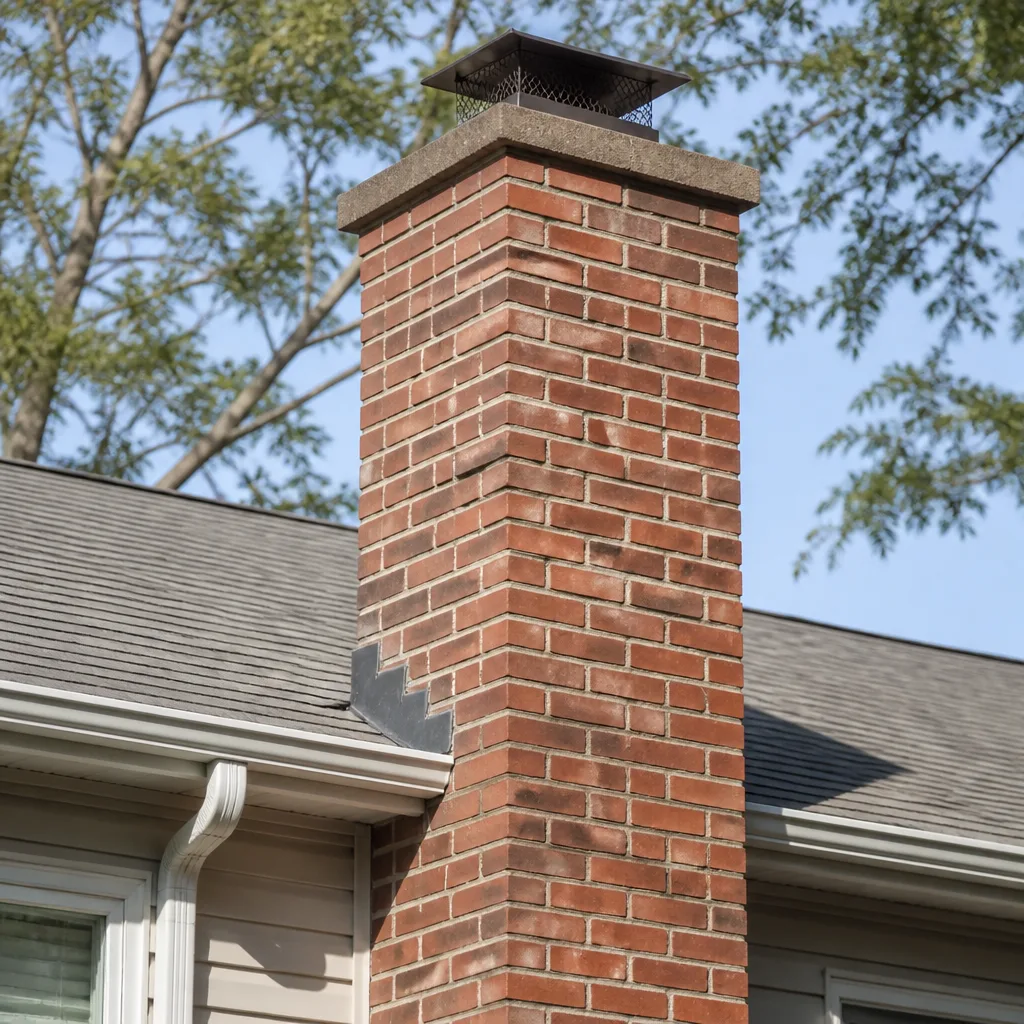
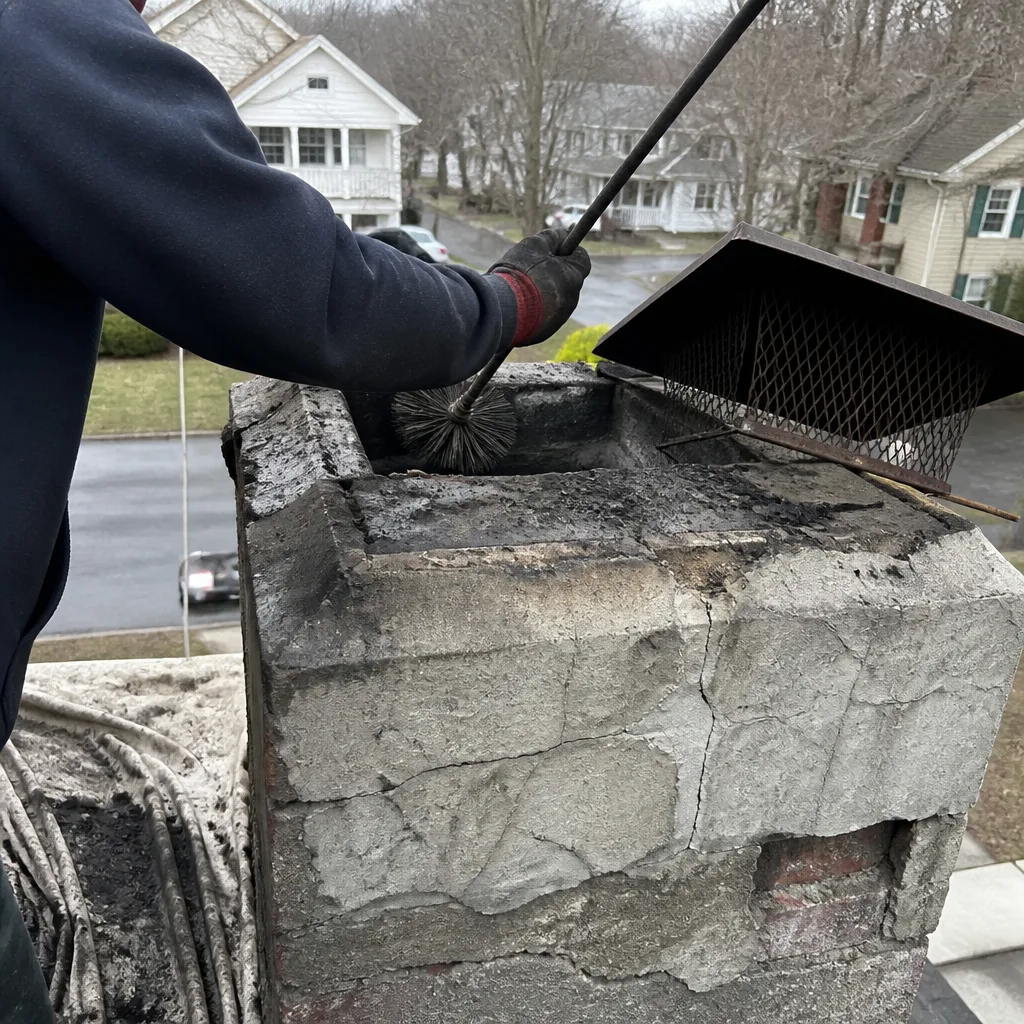 Before
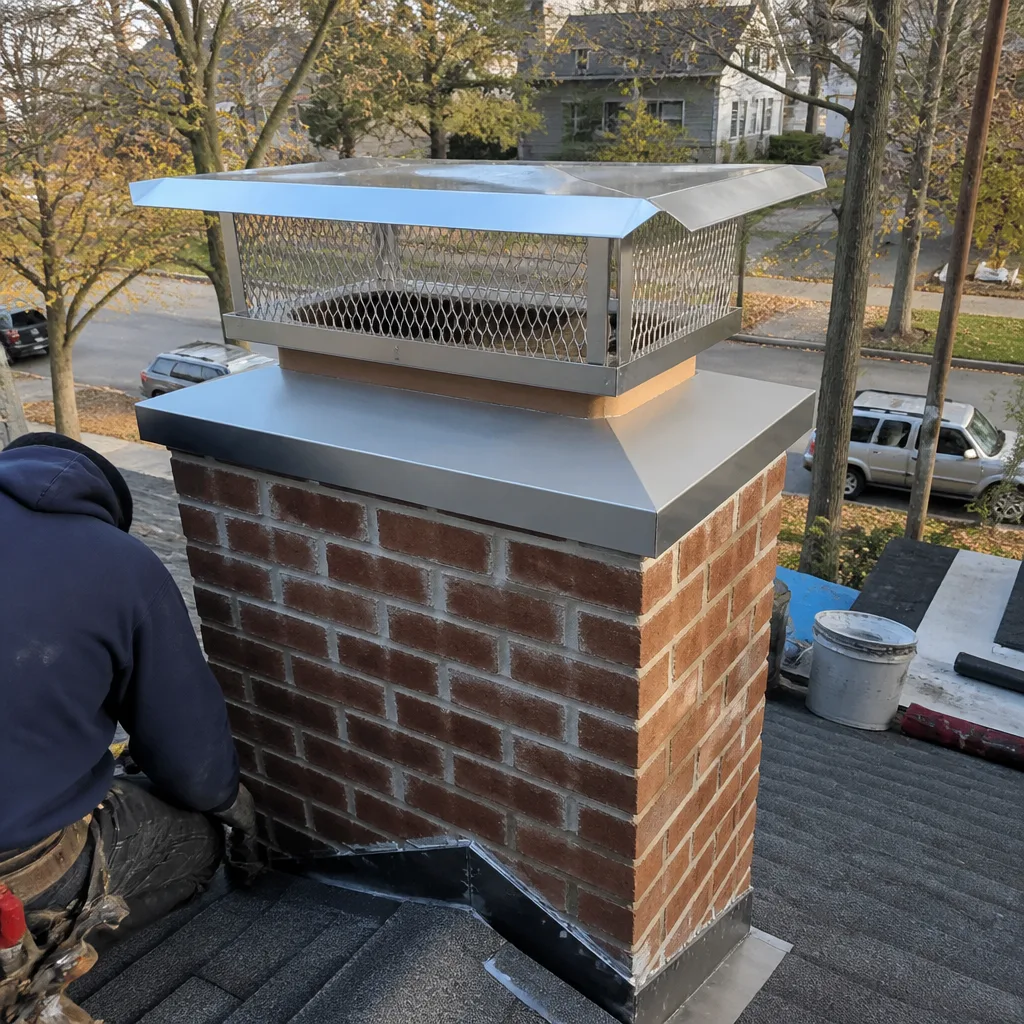 After
After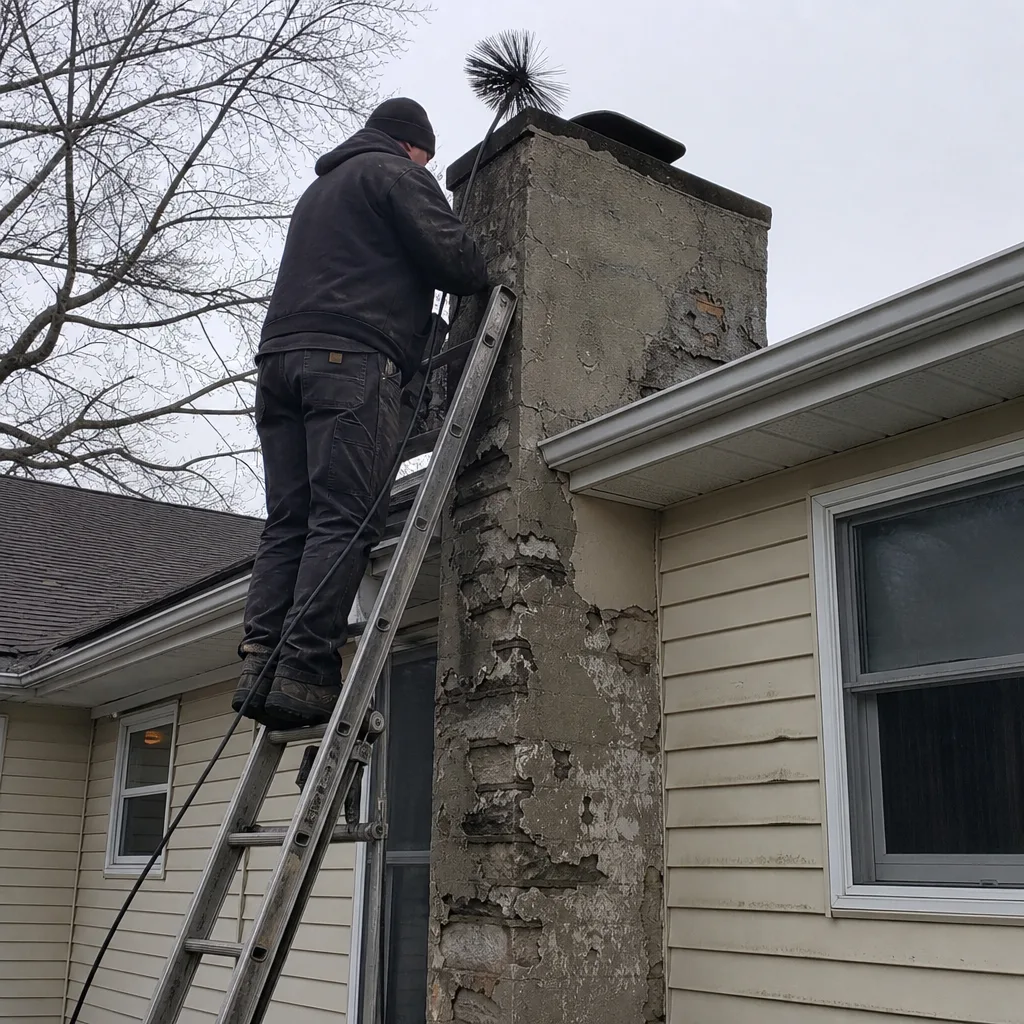 Before
 After
After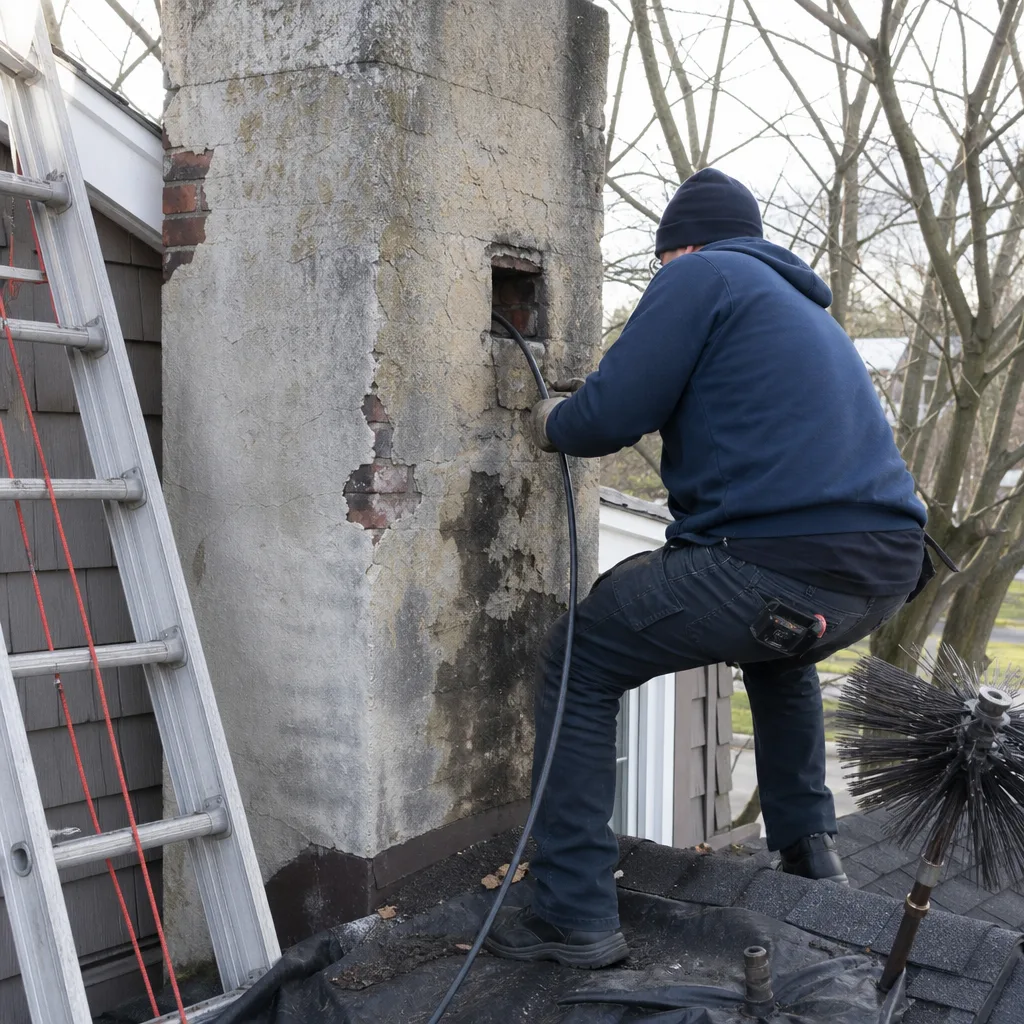 Before
 After
AfterSpalling Brick Repair in Deer Park, NY
Spalling brick is what happens when moisture works its way into the face of a brick, freezes, expands, and then pushes the surface off in flakes or chunks. In Deer Park, where we cycle through hard freezes in January and wet springs that don’t quit until May, that process happens faster than most homeowners expect. The short answer: if you’re seeing brick faces crumbling, chunks on the ground near the chimney base, or ragged edges where smooth masonry used to be, you need spalling brick repair before the next freeze makes it worse.
This isn’t cosmetic. A chimney that’s losing its face layer is one that’s letting water deeper into the structure with every rain. Left alone, what starts as surface flaking becomes cracked mortar joints, then a compromised flue, then a rebuild that costs several times what a timely repair would have. Wendell Pike has been patching and rebuilding chimneys across Deer Park and the surrounding communities since 1999, and the first thing he’ll tell you is that most spalling jobs he sees today were preventable with timely our Chimney Repair services.
If you’re not sure yet whether what you’re seeing qualifies, give us a call at (631) 214-2108. A live person picks up, any hour, and if Wendell is near the truck he may answer himself. We’ll tell you straight whether it’s worth a visit. For a full picture of what we repair on and around chimneys, see our Chimney Repair in Deer Park page.
Why Deer Park Chimneys Spall Faster Than You’d Think
Deer Park sits in central Suffolk County, and the local climate does specific things to masonry that are worth understanding. Winters here aren’t the most brutal on Long Island, but they’re wet. We get enough freeze-thaw cycles between November and March that water never has a chance to drain and dry between cold snaps. Brick that was installed with softer, older mortar – common in homes built in the 1960s and 1970s that make up a lot of the housing stock on streets like Commack Road and Grand Boulevard – is especially exposed.
There’s also the salt air factor. Deer Park is close enough to the South Shore that wind-driven salt moisture reaches masonry on exposed south and west faces. Salt crystals forming inside brick pores accelerate the same kind of surface failure that freeze-thaw causes. The two working together is why we see spalling in Deer Park on chimneys that are only 20 or 25 years old, not just on century-old structures.
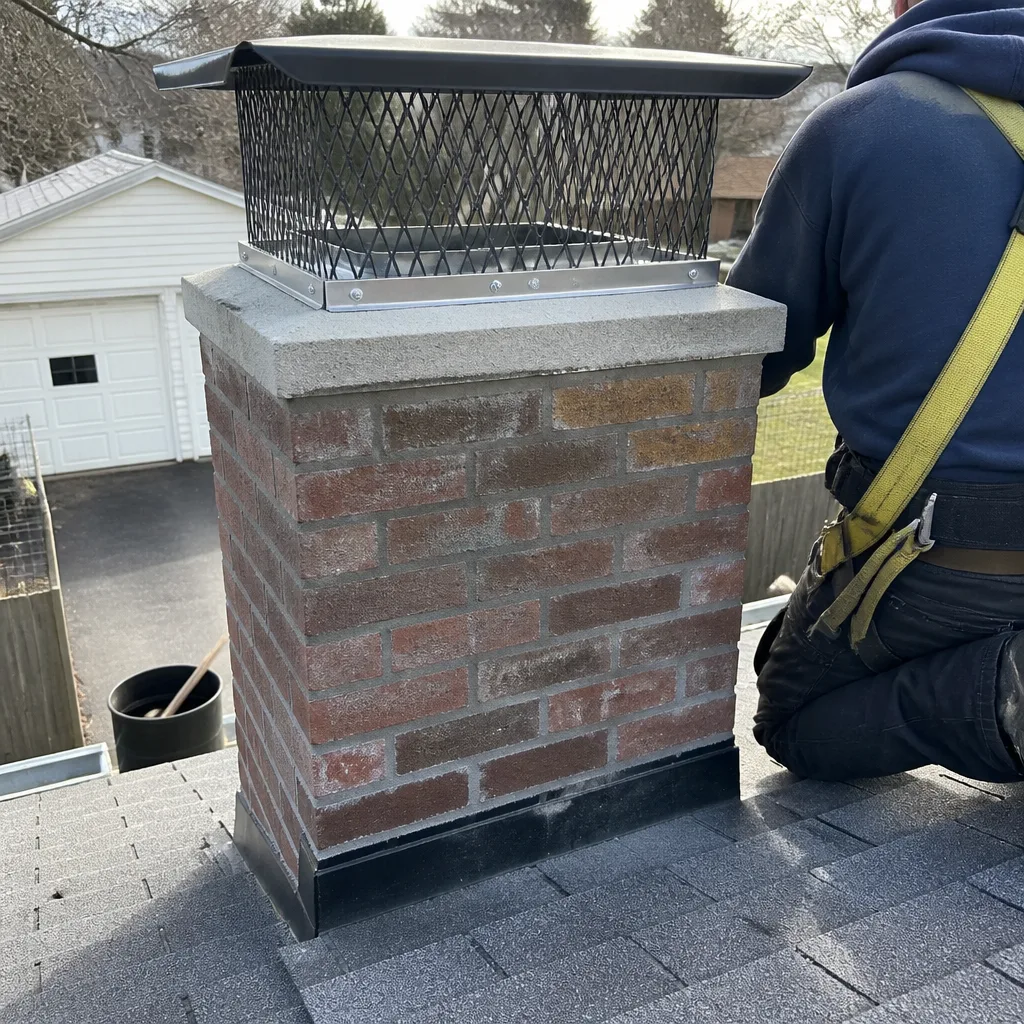
And then there’s the cap. A cracked or missing chimney cap lets water pour straight down onto the top courses of brick, which are the first to go. Wendell replaces or repairs caps regularly as part of spalling jobs because fixing the brick without fixing the water entry point is just postponing the same call.
When You Need Spalling Brick Repair
- Brick faces are flaking or popping off. You’ll see thin layers of brick face on the ground near the chimney base, especially after a hard freeze. This is the textbook sign – the freeze-thaw cycle has fractured the surface away from the body of the brick.
- Chunks of masonry are collecting at the base of the chimney. Larger pieces falling off, not just surface flakes, usually mean the damage has moved beyond the face and into the body of the brick itself. The longer this goes, the more courses need replacing.
- You can see exposed mortar or gaps where brick used to be flush. When the face spalls away it leaves the mortar joint proud and exposed. That exposed mortar erodes at a different rate than the remaining brick and opens gaps that accelerate water entry.
- White staining (efflorescence) on the chimney exterior. That white powder is mineral salt being pushed out as water moves through the brick. It won’t hurt you, but it’s a reliable early warning that moisture migration is active inside the masonry.
- Visible cracks running through individual bricks, not just the mortar joints. Cracks through the body of the brick itself mean the structural integrity of that unit is gone. Repointing the mortar won’t fix it – the brick has to come out and be replaced.
- Water stains on the ceiling or fireplace interior after rain. If rain water is getting into the firebox or showing up on the living room ceiling near the chimney, spalling and open joints on the exterior are a likely path of entry alongside flashing issues.
Our Spalling Brick Repair Process
Every job starts the same way: Wendell or one of his crew gets eyes on the actual masonry before any number is named. What you’ll get is an honest assessment of how far the damage has spread, what caused it, and what it will take to fix it properly. No guessing, no phone estimates that change when someone shows up at the door.
- Full exterior inspection, top to bottom. We go over every course of brick on the chimney, not just the area that caught your eye. Spalling often starts at the top and works down, so what looks like one section of damage can have earlier-stage issues above it that need addressing at the same time. We check the cap, the crown, the flashing, and the mortar joints as part of the same pass.
- Identifying and addressing the water source. Brick doesn’t spall on its own. Something let water in: a cracked crown, a missing cap, failed flashing, or simply aging mortar that’s gone porous. Fixing the brick without fixing the water source means you’ll be making this same call in three years. We won’t leave without telling you what caused it and what’s being done about it.
- Removing damaged brick and cleaning the substrate. Spalled or cracked bricks come out cleanly. We use hand tools and chisels rather than grinders near existing sound brick to avoid vibration damage to the courses we’re keeping. The cavity is cleaned and any remaining soft or crumbling mortar is cut back to a sound edge before anything new goes in.
- Matching replacement brick to your existing masonry. This matters more than most people realize. Putting a hard, modern brick into a wall of softer vintage brick creates a mismatch in how they move with temperature and moisture, which can cause new cracking at the joint. Wendell sources replacement brick that matches as closely as possible in both appearance and absorption rate. On older Deer Park homes this sometimes takes a bit of hunting, but the result holds up.
- Laying new brick and finishing mortar joints. New brick goes in with mortar mixed to the right consistency and type for the existing masonry. Joints are tooled to match the profile of the original work. On larger repairs we use materials from Olympia Chimney supply where the product specs match what the job calls for.
- Applying a breathable water repellent to the repaired section and surrounding courses. This is the step that most of the national chain outfits skip. A properly applied water repellent doesn’t trap moisture inside – it lets vapor out while keeping liquid water from getting in. This step significantly extends the life of the repair and the surrounding masonry. We don’t apply sealers that form a hard film over older brick, which can actually cause more spalling by trapping moisture behind them.
Spalling Brick Repair Pricing in Deer Park
Spalling brick repair in Deer Park typically runs between $350 and $2,800 depending on how many courses are affected, how accessible the chimney is, and whether the underlying cause (a cracked crown, a failing cap) needs to be fixed at the same time. For a detailed breakdown, see How Much Does Chimney Repair Cost? (2026 Price Guide) - Deer Park, NY. Most moderate jobs – a few damaged bricks and repointing on a standard two-story home – land somewhere between $450 and $900. Larger sections or full course replacements near the top of the chimney, where working height adds time, can push into the $1,500 to $2,800 range.
| Scope of Work | Typical Range (Deer Park) |
|---|---|
| Minor spalling, 1-5 bricks replaced + repointing | $350 – $550 |
| Moderate repair, 6-20 bricks + crown inspection | $550 – $950 |
| Significant section repair, 20+ bricks, multiple courses | $950 – $1,800 |
| Extensive repair with cap/crown replacement included | $1,500 – $2,800 |
A few things affect where your job lands on that range:
- Height and access. A chimney on a cape or ranch is a different ladder setup than one on a two-and-a-half story colonial. More height means more time safely rigging the work area.
- Brick availability. Common modern brick is easy. Matching a specific 1965 clay common brick takes more sourcing effort, which adds a small cost.
- Whether the cap or crown needs attention too. Replacing a cracked crown at the same time as a spalling repair is almost always more efficient and less expensive than two separate mobilizations.
- Extent of water damage below the surface. Once we open a section, if the damage has spread further than visible inspection showed, we’ll stop and show you before proceeding. No surprises on the invoice.
Upfront pricing is how we work. The number Wendell gives you before a single tool comes off the truck is the number on the invoice. And right now, any repair over $200 takes $40 off automatically. Seniors and veterans get 10% off always. If you’ve already gotten a written estimate from someone else, we’ll give you a free second opinion – no charge, no obligation.
Call (631) 214-2108 to schedule a free estimate. No trip charge for calls inside the county.
FAQs – Spalling Brick Repair in Deer Park
How much does spalling brick repair cost in Deer Park?
Spalling brick repair in Deer Park generally runs between $350 and $2,800, with most single-chimney jobs landing in the $450 to $950 range depending on how many bricks need replacing and whether the cap or crown is also damaged. Height, brick availability, and access all affect the final number. Call (631) 214-2108 for a free on-site estimate – we price the job before we start, and that number doesn’t change at the door.
Is spalling brick just a cosmetic problem, or does it affect safety?
Spalling brick is a structural and waterproofing problem, not a cosmetic one. When brick faces break away, they open the chimney to accelerating moisture penetration that degrades mortar joints, weakens the flue structure, and can eventually compromise the chimney’s ability to contain heat and combustion gases safely. The longer it goes without repair, the deeper the damage travels and the more it costs to fix. If you see flaking or chunks on the ground, treat it the same way you’d treat a roof leak – something to fix this season, not something to watch.
Can you fix spalling brick without replacing the whole chimney?
Yes, in most cases. If the damage is caught before it’s compromised multiple courses or the structural core of the chimney, targeted brick replacement and Mortar Repointing is entirely sufficient. We replace only what needs replacing, match the replacement brick to your existing masonry as closely as possible, and treat the surrounding area with a breathable water repellent to slow future moisture entry. A full chimney rebuild is a much bigger job and only necessary when damage has spread through the structure to the point where piecemeal repair would be a waste of money.
How long does spalling brick repair last?
A properly done spalling repair on a Deer Park chimney, meaning the damaged brick is replaced with matched material, the mortar is correctly specified, and the underlying water entry point is fixed at the same time, should hold for 15 to 25 years or longer. The variable is whether the root cause gets addressed. If the cracked crown or missing cap that let water in is left alone, the repair will spall again in a fraction of that time. Every job Wendell does is backed by the 90-Day Done Right Promise in writing – if something isn’t right within 90 days, one call brings the crew back at no additional cost.
What Sets Top Hat Apart for This Work
There’s no shortage of masonry contractors on Long Island. What’s harder to find is one who’s been working the same streets since 1999, answers the phone at any hour without a call center in between, and will tell you honestly when a job doesn’t need doing. Wendell Pike has been inside more Deer Park chimneys than he can count and he’s not going to sell you a full rebuild when targeted repair is the right answer.
Every estimate is upfront. Every completed job carries the 90-Day Done Right Promise. And if you’ve gotten a written estimate from someone else that doesn’t feel right, bring it to us – the second opinion is free. That’s not a marketing line. It’s how Wendell operates because he runs into these customers again on Saturday, and he’s been doing it that way since before most of the national outfits that show up on Google entered the Long Island market.
Our broader home page covers everything we do, from liner installations to cap work and beyond. For the full picture of masonry and structural repair on chimneys, the Chimney Repair in Deer Park page is the right starting point.
Key Takeaways
- Spalling brick in Deer Park is driven by the local freeze-thaw cycle and salt air – it moves faster than most homeowners expect.
- Surface flaking, chunks at the chimney base, efflorescence, and interior water stains are all signs to call now, not next season.
- Most spalling repairs cost between $450 and $950 in Deer Park; extensive work runs up to $2,800.
- Fixing the brick without fixing the water source (cracked crown, bad cap, open flashing) means the problem comes back.
- Every job comes with upfront pricing, no trip charge inside the county, $40 off repairs over $200, and the 90-Day Done Right Promise in writing.
- Seniors and veterans receive 10% off, always.
Ready to stop watching it get worse? Call (631) 214-2108 – a live person picks up, estimates are free, and Wendell will tell you straight what the job actually needs.
Written by Wendell Pike, Owner at Top Hat Chimney, serving Deer Park since 1999.