
Level 1 sweep and inspection to the NFPA 211 annual standard - flue, crown, cap, and flashing checked and photographed
Chimney sweep logs do not sweep chimneys. They loosen some creosote - which then falls where a brush and vacuum still have to collect it.
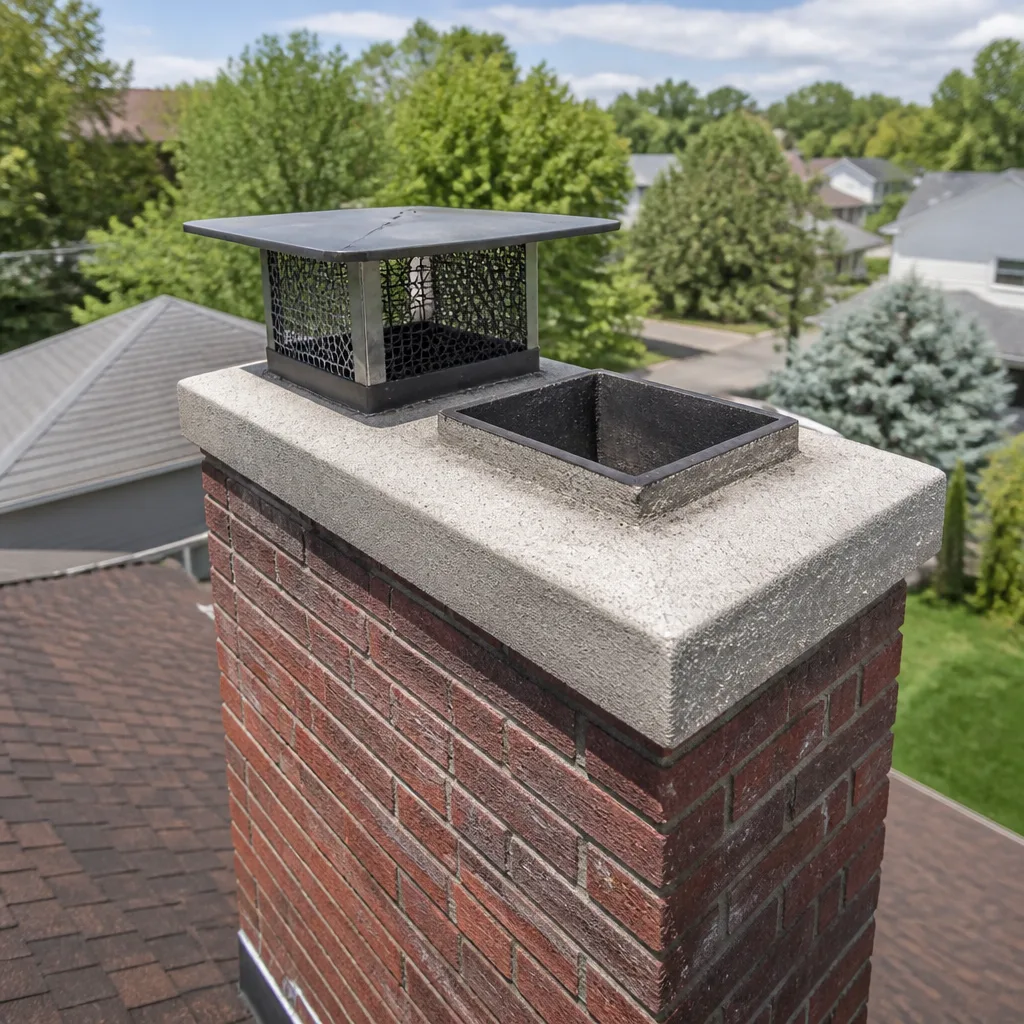
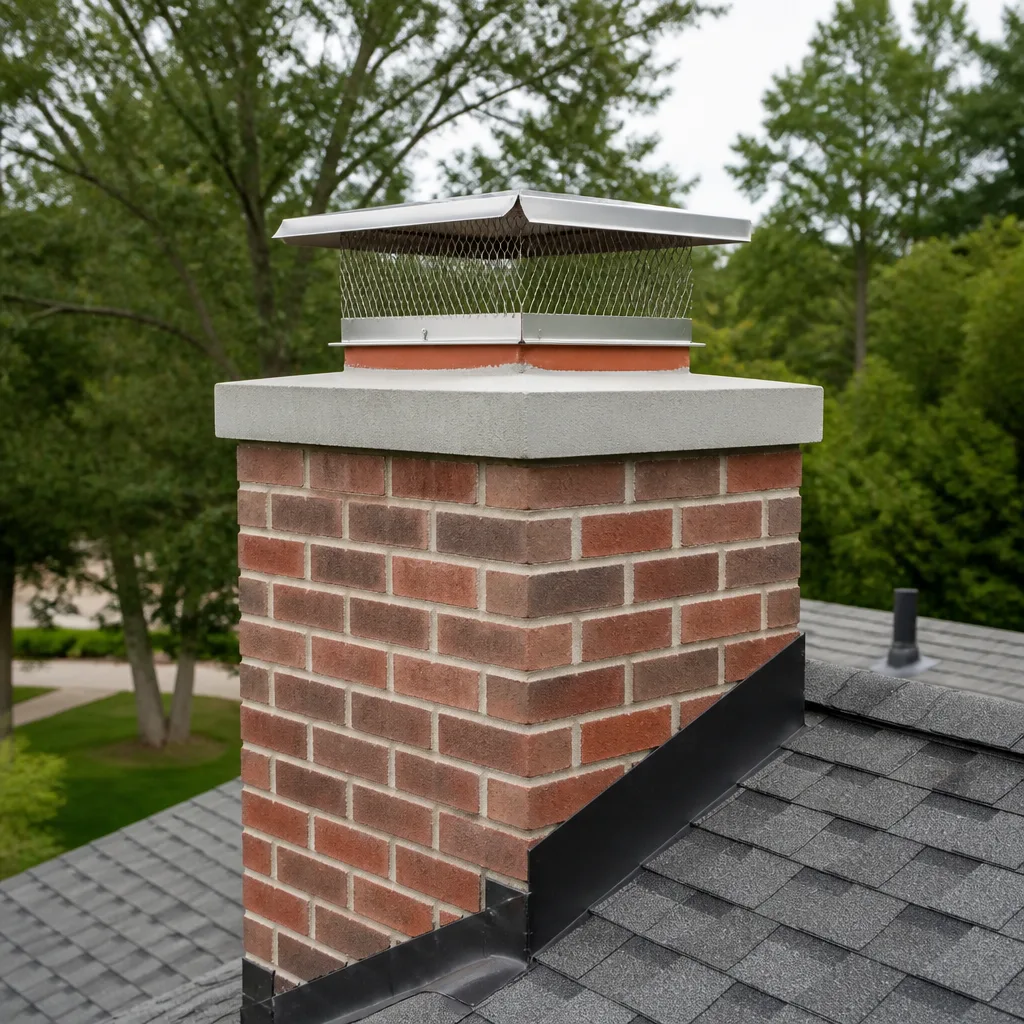
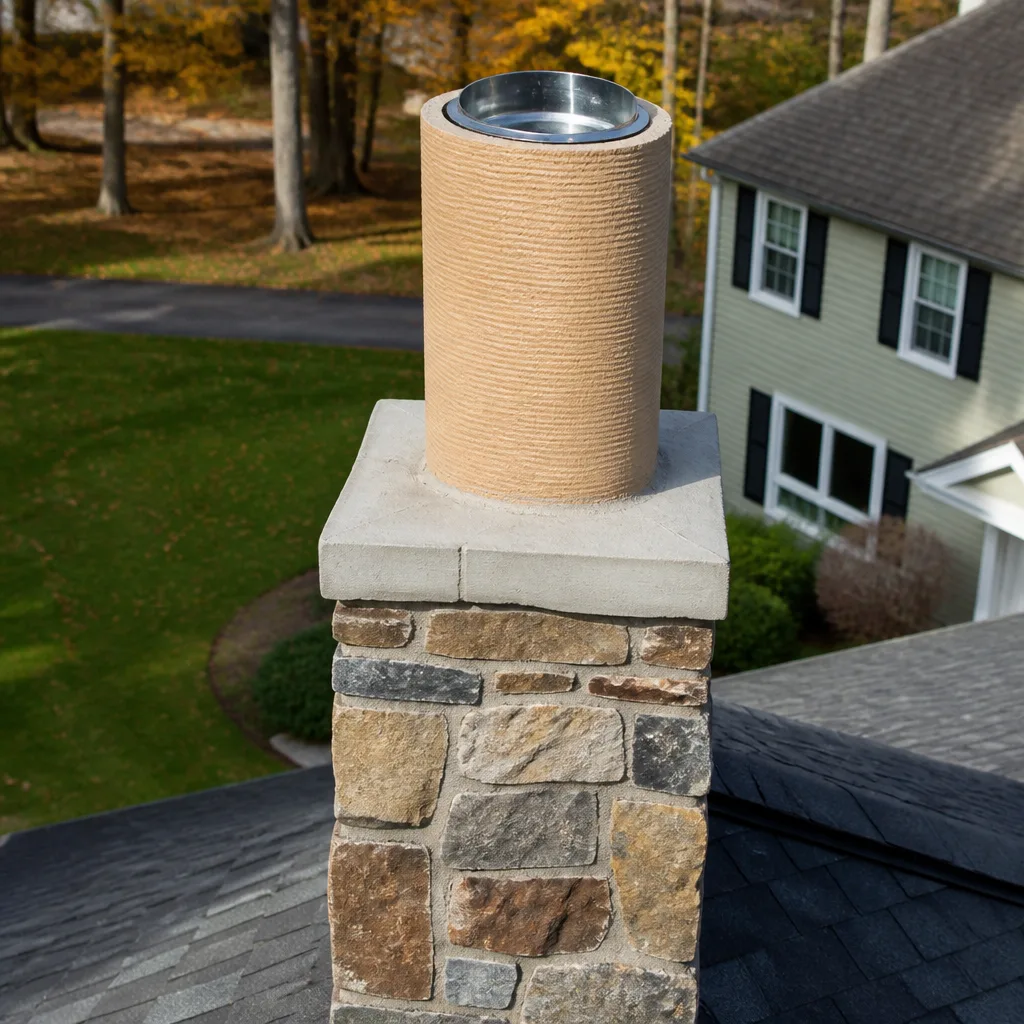
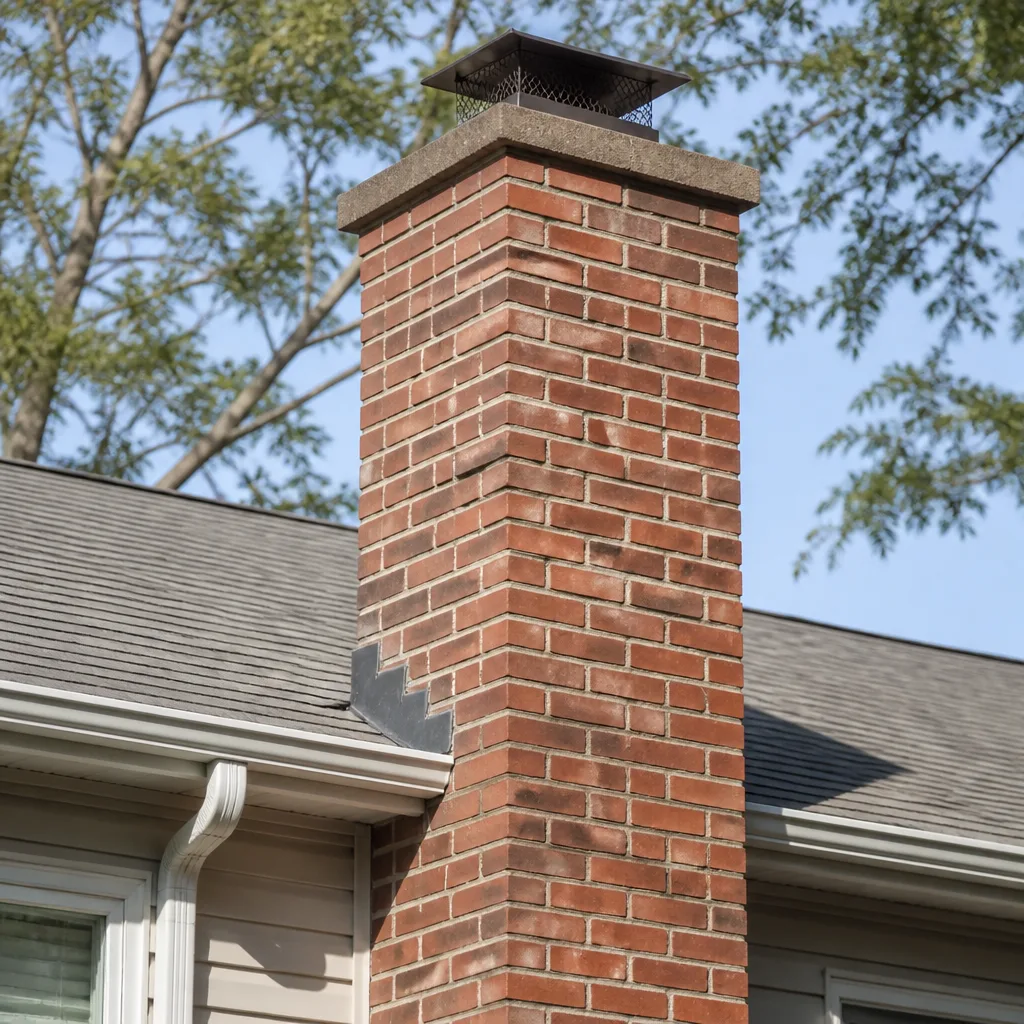
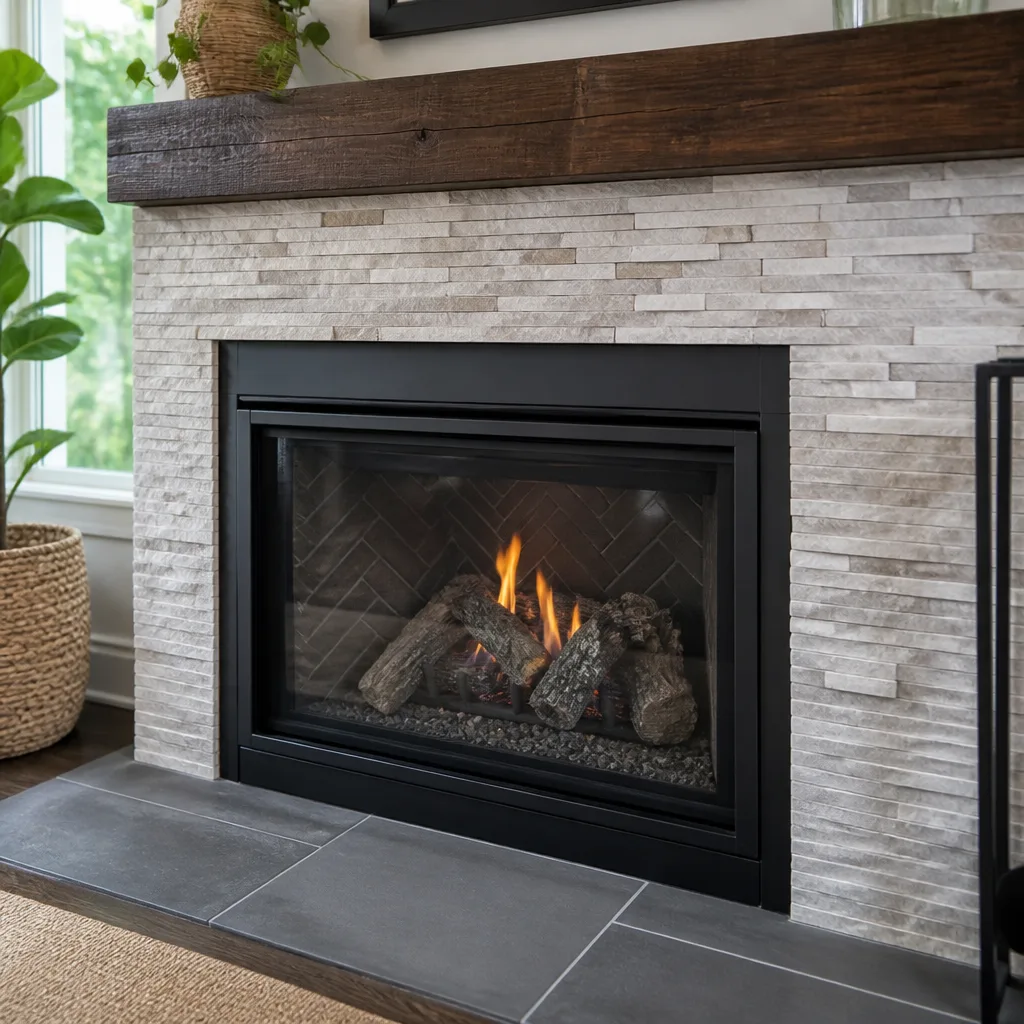
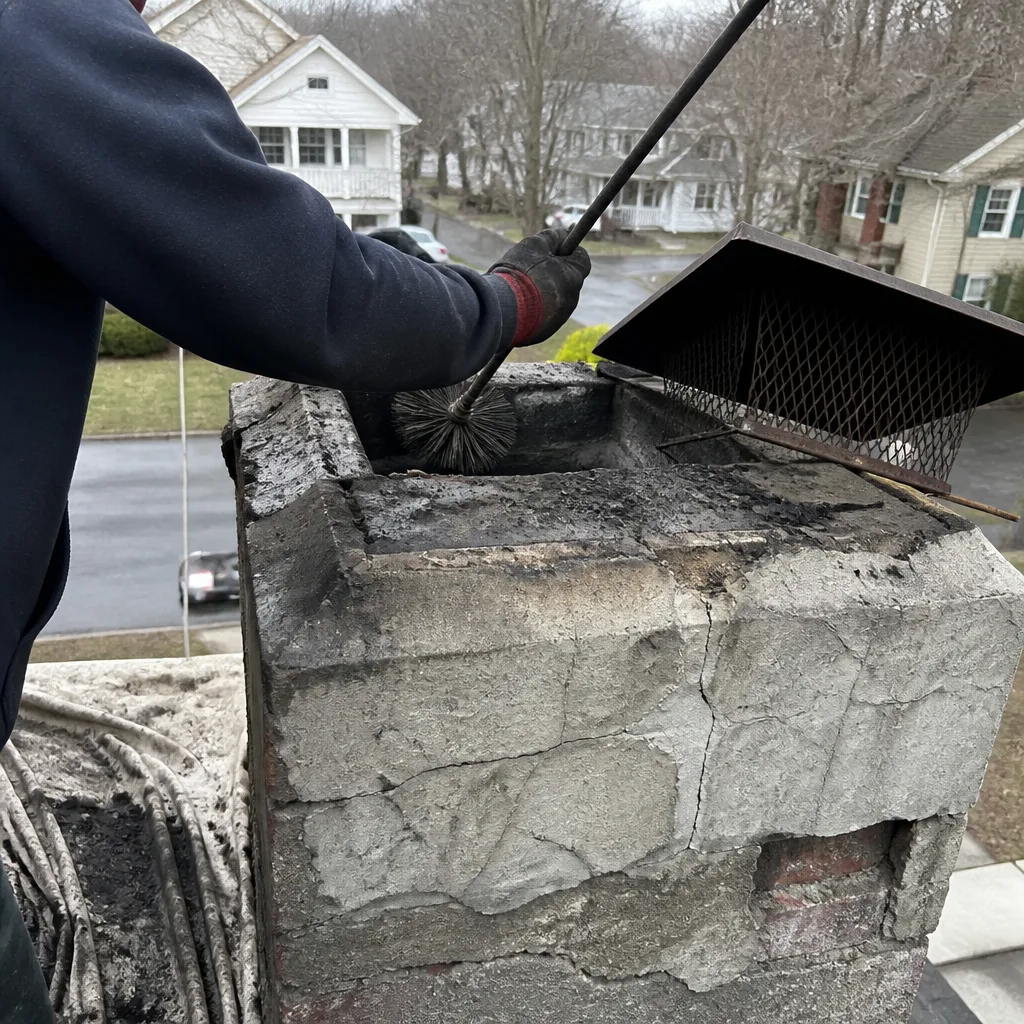 Before
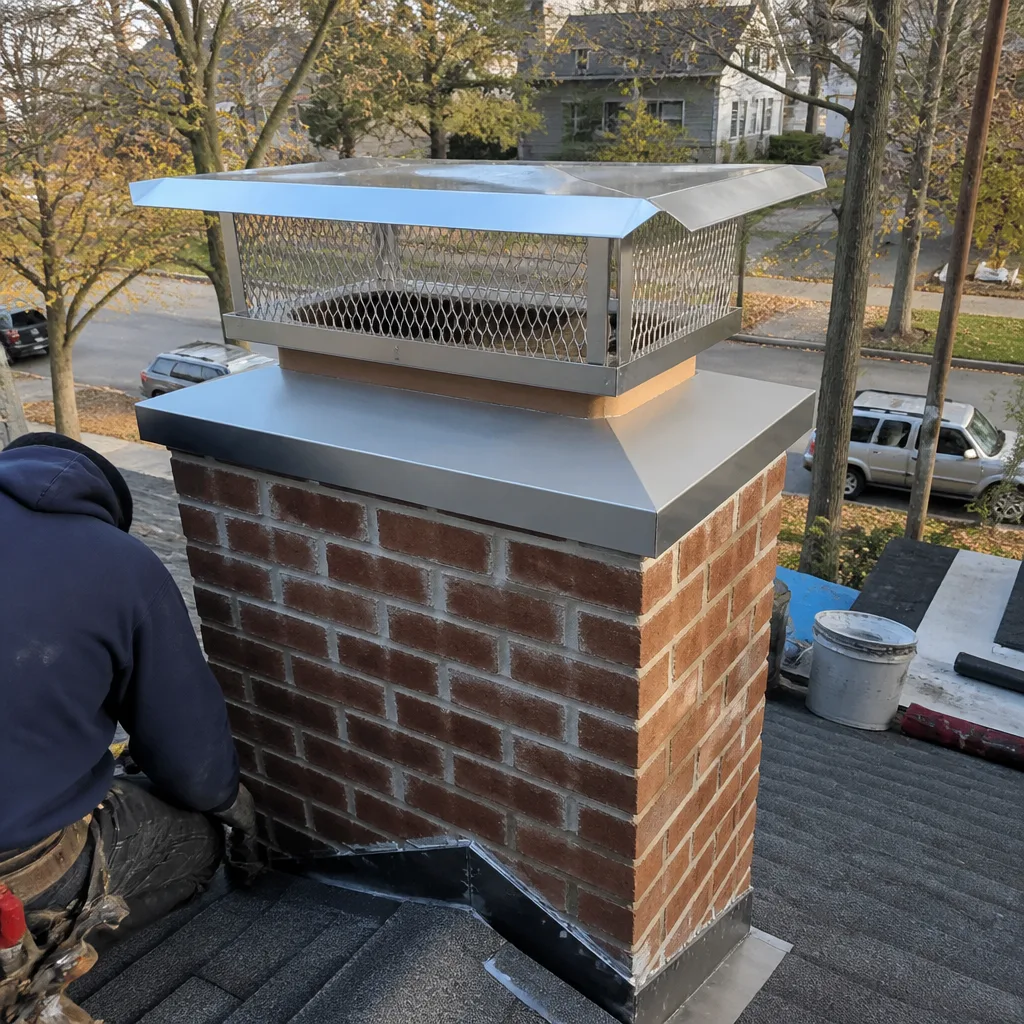 After
After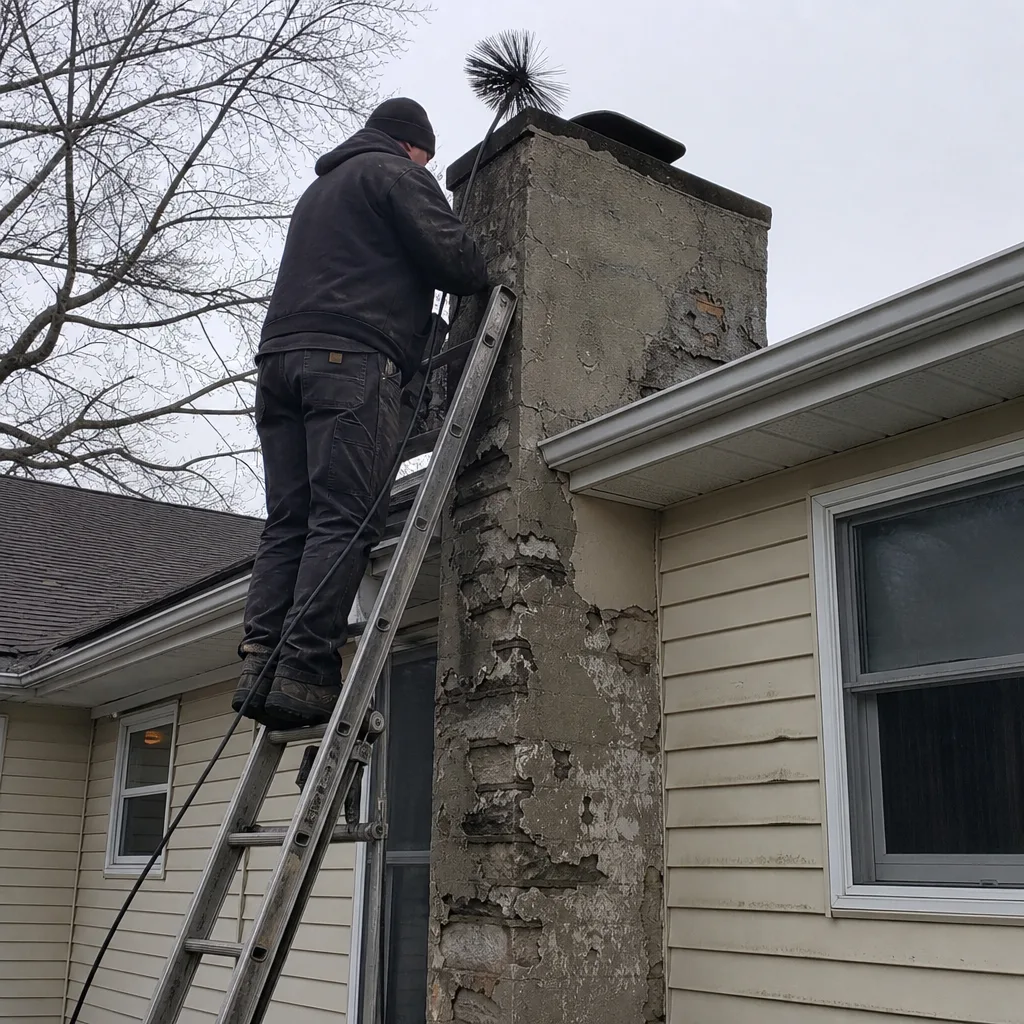 Before
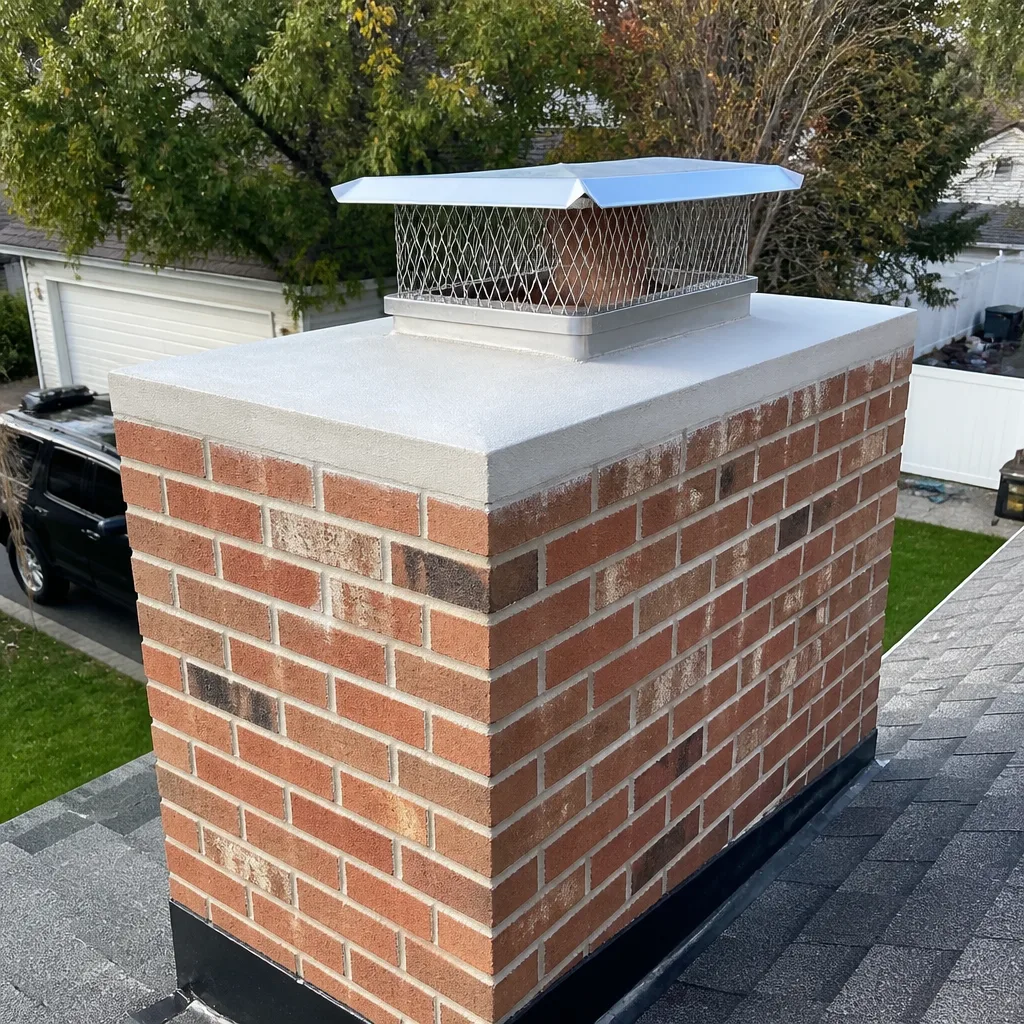 After
After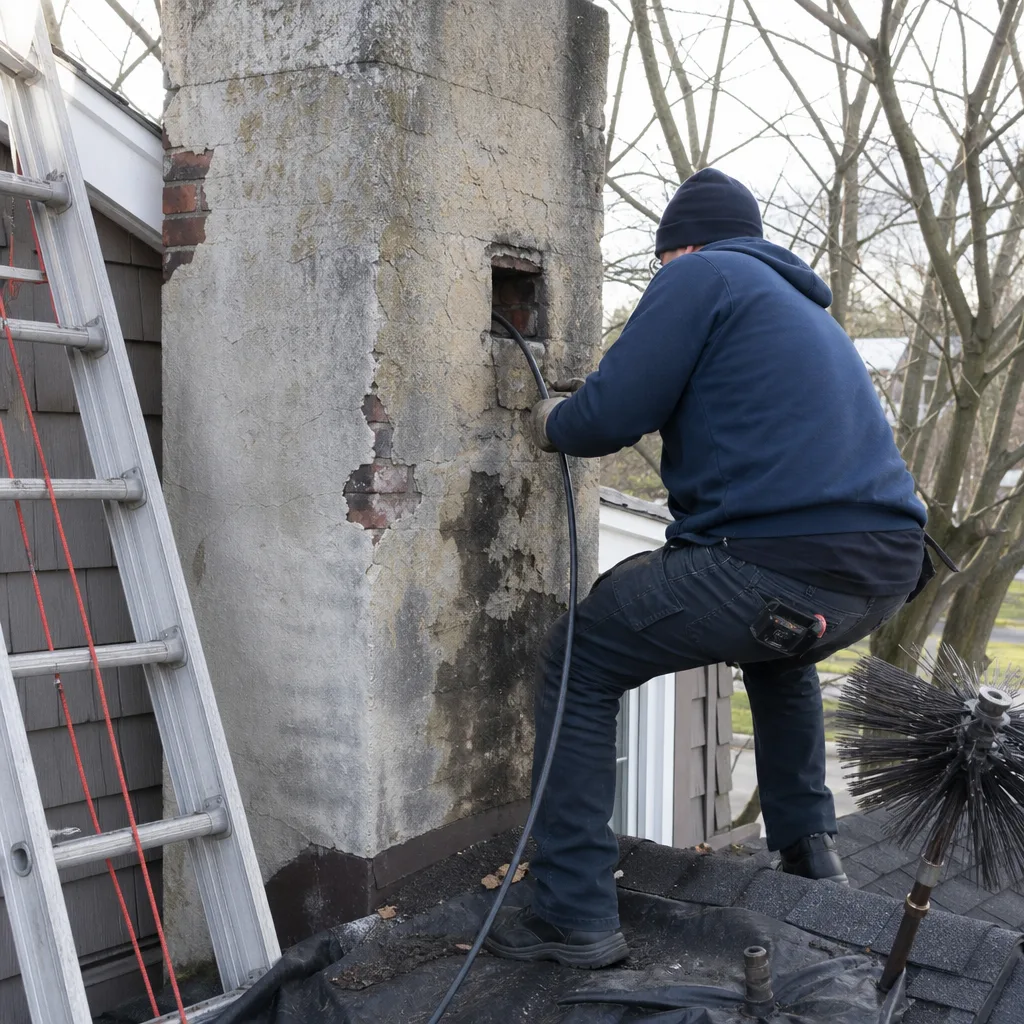 Before
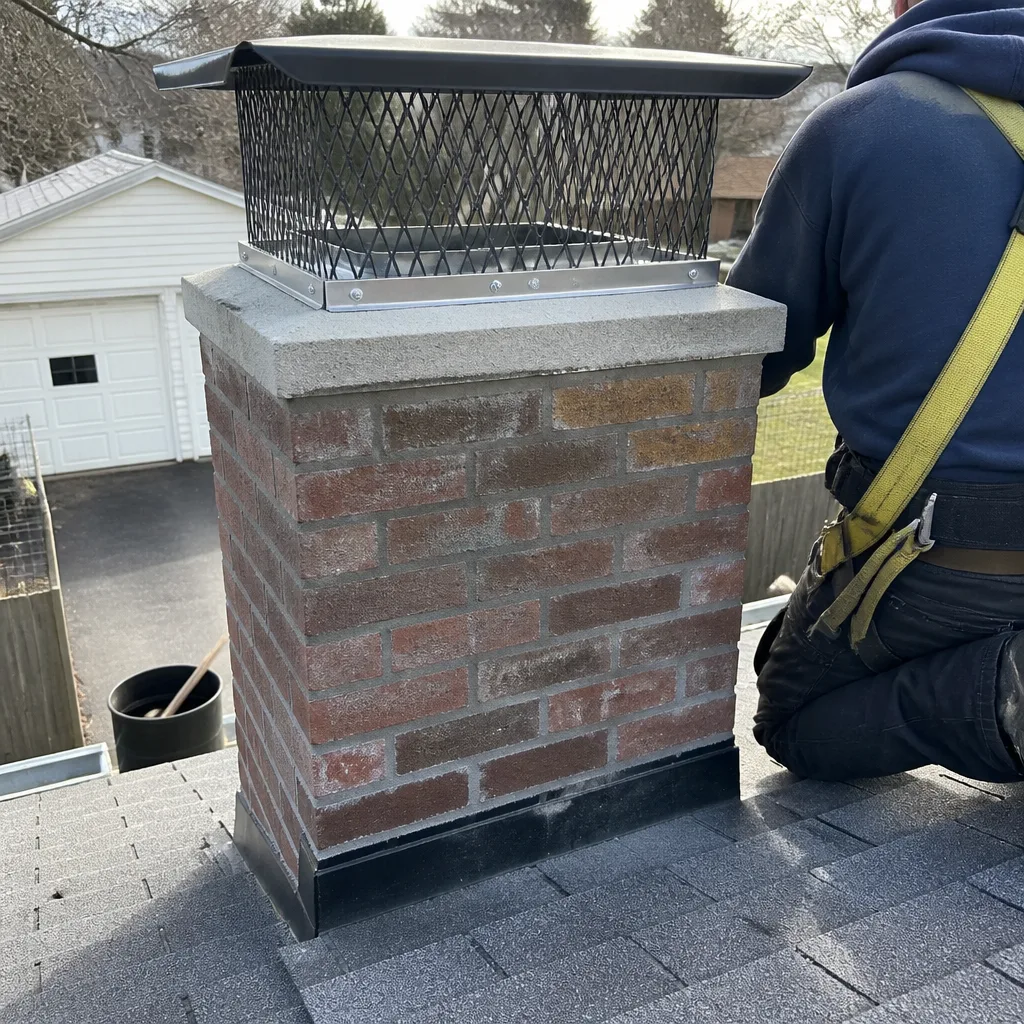 After
AfterSoot Removal in Deer Park, NY
Our How Much Does Chimney Cleaning & Sweep Cost? (2026 Price Guide) - Deer Park, NY breaks down why soot removal in Deer Park typically runs between $149 and $349, depending on how much has built up, how accessible your flue is, and whether a camera inspection is needed to confirm the flue is clear afterward. Most jobs are done in a single visit, same day you call.
If you have been smelling something stale and smoky even when the fireplace is cold, or you noticed black dust settling near the firebox, the flue liner is telling you something. Soot is the byproduct of incomplete combustion – wood smoke that cooled before it cleared the chimney – and it does not go away on its own. It packs into the liner, travels back into the room on drafts, and, left long enough, becomes the sticky precursor to creosote that is much harder to remove and genuinely dangerous.
Wendell Pike started Top Hat Chimney in 1999, and he has been working chimneys in Deer Park, West Babylon, Wyandanch, and all across Suffolk County ever since. When you call (631) 214-2108, a live person picks up – often Wendell himself. He will give you a straight price before any tool comes off the truck, and every job is backed by the 90-Day Done Right Promise in writing. If something is not right, one call brings him back. No argument, no trip charge.
This page is specifically about soot removal as a stand-alone service. If you want to understand everything that goes into a full annual sweep, the Chimney Cleaning & Sweep in Deer Park page covers that in full detail.
What Soot Actually Is – and Why It Matters
Soot is a fine, powdery carbon deposit. Every fire produces it to some degree. The amount that sticks to your liner walls depends on how hot your fires burn, how dry your wood is, and how well your flue draws. Deer Park homes with older, unlined masonry chimneys or older clay tile liners tend to accumulate soot faster, partly because tile joints develop micro-gaps over time that catch particulate.
Soot at stage one – a light, dry, grey-black dust – is a straight brush job. Stage two is where it starts binding into a darker, thicker coating. By stage three, you are looking at glazed creosote, which is a different animal entirely and requires chemical treatment or liner replacement. The point of catching soot early is that a $200 cleaning does not become a $1,200 repair.
There is also the indoor air quality side of it. Suffolk County winters are cold enough that Deer Park homeowners seal up the house and run their fireplaces hard from November through March. When soot is loose in the flue, it comes back down on drafts – particularly in older two-story colonials and ranch houses where the fireplace is the main living room focal point. You end up with fine black particulate in your air and on your mantel and furniture. That is not a cosmetic problem; it is a respiratory one for anyone with asthma or allergy sensitivities.
When You Need Soot Removal
- You smell smoke or something stale when the fireplace is not in use. Settled soot in the flue off-gasses when the temperature changes – common during Deer Park’s shoulder seasons in October and April when days are warm and nights drop sharply.
- You see black dust or fine debris near the firebox or on the hearth. Loose soot near the firebox opening is a sign the flue is overdue and particles are migrating back into the room during normal air pressure shifts.
- Your fires have been smoking back into the room. A soot-clogged flue restricts airflow and degrades the draft that pulls combustion gases up and out. If the smoke is not going up, soot is likely part of the reason.
- It has been more than a year since the chimney was last swept. Once a year is the minimum – burn or no burn. Chimneys deteriorate in the off-season too, and even a fireplace that ran lightly last winter has some soot accumulation worth removing before the next season starts.
- You just moved into a home and have no service records. Deer Park has a healthy resale market, and a fair number of the colonials near the Long Island Rail Road station and off Deer Park Avenue are twenty to forty years old. When no one knows the last service date, assume it needs one.
- Your previous company did a cleaning but you were not shown the camera footage afterward. If there is no video, you have no proof the flue is actually clear. Wendell runs a camera on every job and shows you the footage before he leaves.
Our Soot Removal Process
- Upfront assessment and price confirmation. Before any work begins, Wendell or the sweep on the job will look at the firebox, check the damper, and ask about your last service date and how often you have been burning. The quoted price is confirmed before tools come off the truck. The number you heard on the phone is the number on the invoice.
- Full drop cloth and firebox seal. The living room stays clean. Heavy drop cloths go down across the hearth and surrounding floor, and a sealed cover goes over the firebox opening. Negative-pressure vacuum equipment runs throughout the job so soot and debris are captured at the source, not redistributed through your home.
- Top-to-bottom chimney brush sweep. Chimney brushes rated for your liner type – whether that is clay tile, stainless steel, or a DuraFlex liner – work from the top of the flue down. Each pass loosens soot from the liner walls and the smoke shelf above the damper, which is one of the spots other outfits sometimes miss.
- Smoke shelf and firebox cleaning. The smoke shelf is where soot, debris, and sometimes old bird nest material accumulates out of sight above the damper. It gets hand-cleaned. The firebox walls and floor are cleared of ash and loose debris.
- Video inspection of the liner. A camera goes up after the cleaning so you can see the flue condition yourself on a monitor. Wendell gives you a plain-English read: clear, or there is something you need to know about. No upsell pressure – if it does not need anything else, he will tell you that.
- Walkthrough and written report. You get a written summary of what was found, what was done, and what – if anything – to watch. The 90-Day Done Right Promise is on that paperwork. If soot levels indicated early-stage creosote, he will tell you the honest timeline for the next cleaning.
Soot Removal Pricing in Deer Park
Soot removal in Deer Park costs between $149 and $349 for most residential fireplaces. Here is what drives that range:
| Scenario | Typical Price Range |
|---|---|
| Single fireplace, light soot buildup, recent prior service | $149 – $199 |
| Single fireplace, moderate buildup, 2-3 years since last sweep | $199 – $269 |
| Single fireplace, heavy buildup or unknown service history | $269 – $349 |
| Wood stove or insert with stovepipe | $179 – $299 |
| Second fireplace on same visit (same house) | Add $99 – $149 |
| Camera inspection (included on most jobs) | No additional charge |
These are honest ranges for the Deer Park market, not bait-and-switch floor prices. If the job turns out to be simpler than expected, the price goes down, not up. If Wendell finds something during the camera inspection that warrants a repair – a cracked tile section or a failed damper seal – he will tell you and quote it separately. You never get a surprise number at the end.
Standing discounts that apply automatically:
- 10% off for seniors and veterans – always, no coupon needed
- $40 off any repair over $200
- Free second opinion on any competing written estimate
- No trip charge for calls within our service county
Call (631) 214-2108 for an exact quote. Estimates are free and come with no obligation.
Why Soot Removal Is Not a DIY Job
Hardware stores sell chimney brushes and extension rods, and it is fair to wonder whether this is something a careful homeowner can handle. For very light surface soot on a stove insert with a short, accessible stovepipe – maybe. But for a full masonry chimney or a flue liner system, the honest answer is no, and here is why.
The smoke shelf above the damper is inaccessible without proper equipment and can hold a significant accumulation that drops back into the firebox if disturbed incorrectly. More critically, without a camera inspection after the cleaning, you have no way to know whether the flue is actually clear or whether what looked like soot is the beginning of glazed creosote – a hard, tar-like deposit that does not come off with a brush and is a genuine fire hazard. A chimney fire in a flue with glazed creosote can exceed 2,000 degrees Fahrenheit. That is not a number to take lightly.
Wendell’s crew uses professional vacuum containment systems that prevent soot redistribution indoors. A shop vac and a brush rod produce a significant mess and still miss the smoke shelf. The camera inspection is the part you cannot replicate without the equipment, and it is the part that tells you whether the job is actually done.
Soot vs. Creosote: What You Are Actually Looking At
These two terms get used interchangeably, but they are not the same thing and they do not get treated the same way.
Soot is carbon particulate – dry, light, and brushable. First-degree creosote is a dusty, flaky coating one step beyond soot. Second-degree is a harder, tar-like coating that requires a rotary cleaning system. Third-degree creosote – the glazed version – is a shiny, black, extremely dense deposit that does not yield to brushing at all. At that point the options are a chemical treatment using a product like Olympia Chimney’s creosote remover, or in severe cases, liner replacement.
Most Deer Park homeowners who call for soot removal are dealing with first or second-degree buildup, which is exactly where you want to catch it. The camera inspection at the end of every job is how you confirm which degree you are dealing with and what the timeline to the next cleaning should be.
Local Context: Why Deer Park Chimneys Need Attention
Deer Park sits in a band of Long Island where a lot of the housing stock dates from the 1960s through the 1980s – the postwar expansion period when the Town of Babylon grew fast and chimneys were built quickly to a standard that was fine then but shows its age now. Clay tile liners from that era develop joints that widen over time. When those joints open up, soot – and worse, carbon monoxide – can migrate into the wall cavity rather than venting cleanly out the top.
The neighborhood pattern matters too. Colonials and expanded capes off Commack Road and along Acorn Street tend to have taller flues than the ranch houses closer to the Long Island Rail Road tracks. Taller flues draft better but accumulate more soot per burn because the gases cool further before they exit. Shorter flues on ranches draft harder but are more vulnerable to wind-induced downdraft on cold nights, which pushes soot back down.
None of this is a reason to avoid using your fireplace. It is a reason to keep the flue clean. An Annual Sweep before the burning season starts in October or November is the standard Wendell recommends for anyone burning regularly in Deer Park.
FAQs – Soot Removal in Deer Park
How much does soot removal cost in Deer Park, NY?
Soot removal in Deer Park runs between $149 and $349 for most residential fireplaces, depending on the level of buildup and how long it has been since the last cleaning. Light buildup with a recent prior service history comes in at the lower end. Heavy buildup or no known service history comes in toward the top of that range. The camera inspection is included on most jobs at no extra charge. Call (631) 214-2108 for a free, no-obligation estimate – you will get an exact number before we start.
Is soot the same as creosote?
Soot and creosote are related but different. Soot is the dry, powdery carbon deposit from incomplete combustion – it brushes off cleanly. Creosote is what soot becomes when it continues to condense and harden on the liner walls. First-degree creosote is still flaky and brushable. Second and third-degree creosote are much harder to remove and represent a genuine fire hazard. The camera inspection at the end of every cleaning is what tells you which one you are dealing with.
Can I use my fireplace while there is soot buildup?
Light soot is a nuisance but not an immediate hazard. Heavy soot – especially if it has progressed to second-degree creosote – should be addressed before you light another fire. A clogged flue reduces draft, increases carbon monoxide risk, and creates the conditions for a chimney fire if the coating is thick enough to ignite. If you are unsure, call before you burn. We answer around the clock at (631) 214-2108.
How long does soot removal take in Deer Park?
A single-fireplace soot removal job typically takes 60 to 90 minutes from setup to cleanup, including the camera inspection. Two fireplaces in the same home on the same visit usually run two to two and a half hours. We give you a real arrival window beforehand and call if anything changes – no three-hour wait windows.
Do you service other towns near Deer Park?
Yes. Wendell and his crew cover the surrounding area and you can find service pages for nearby towns on the Top Hat Chimney home page. If you are not sure whether you are in the service area, call and ask – no trip charge for calls inside our county, and if you are just over the county line, we can usually work something out without a trip fee.
Key Takeaways
- Soot removal in Deer Park costs $149 to $349 depending on buildup and flue length.
- Catch it at stage one (dry, brushable soot) and it stays a simple cleaning job.
- Every soot removal job includes a camera inspection and a written report.
- Wendell has been working chimneys in Deer Park since 1999 – he puts his name on the work and backs it with a 90-Day Done Right Promise.
- Seniors and veterans get 10% off, automatically. No coupon needed.
- The Chimney Cleaning & Sweep in Deer Park page covers the full annual service if you want to understand what a complete sweep includes.
Ready to Schedule? Call Wendell Directly
If your fireplace has been sitting idle since last spring or the flue has not been touched in a few years, now is the right time to schedule Chimney Cleaning & Sweep Near Me in Deer Park, NY. Deer Park’s burning season starts sooner than most people plan for, and a backed-up flue does not give much warning before it causes problems.
Call (631) 214-2108 any time – days, nights, weekends. A live person picks up. You will get an honest price before any work begins, a camera inspection when it is done, and a written 90-Day Done Right Promise on every job. No surprises, no strangers at the door – just a sweep who has been providing Chimney Cleaning & Sweep services in this county since 1999 and will still be here next fall when you need him again.
Written by Wendell Pike, Owner at Top Hat Chimney, serving Deer Park since 1999.