
Level 1 sweep and inspection to the NFPA 211 annual standard - flue, crown, cap, and flashing checked and photographed
Chimney sweep logs do not sweep chimneys. They loosen some creosote - which then falls where a brush and vacuum still have to collect it.
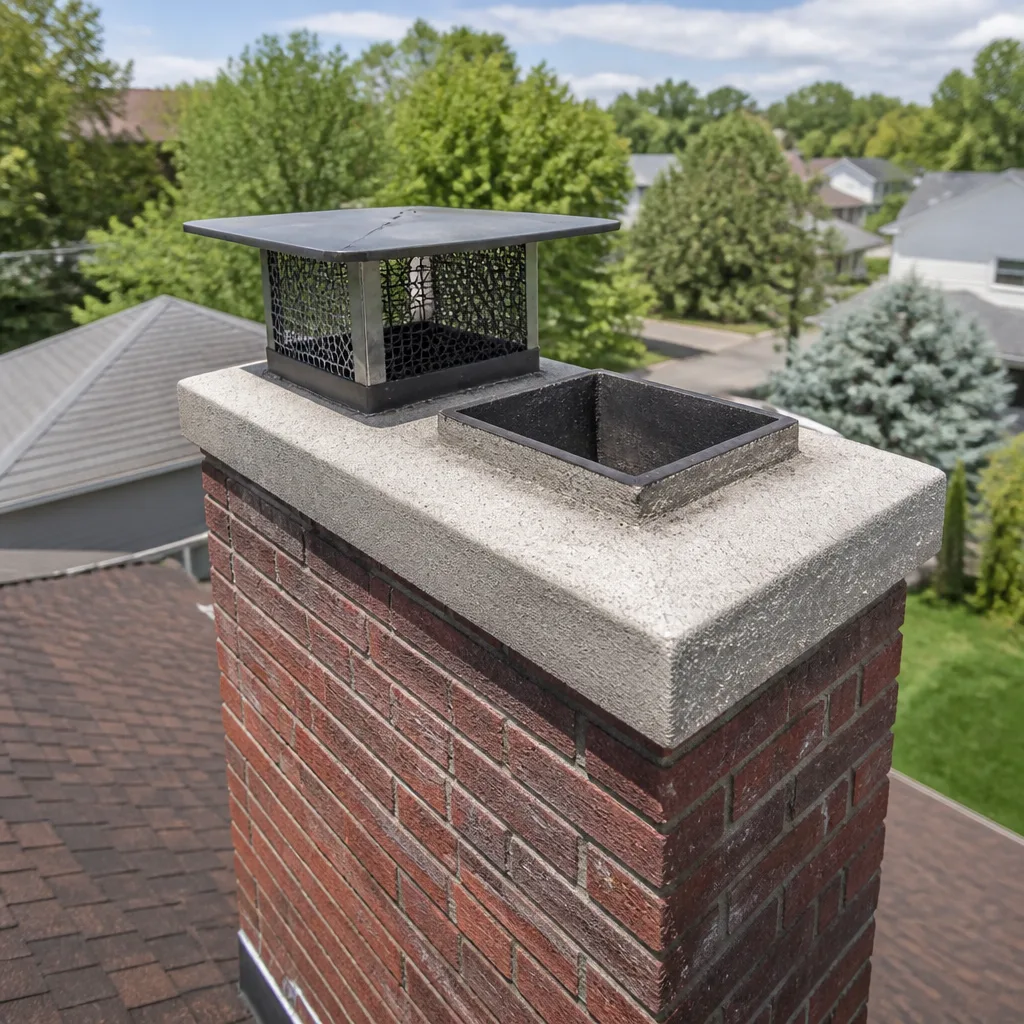
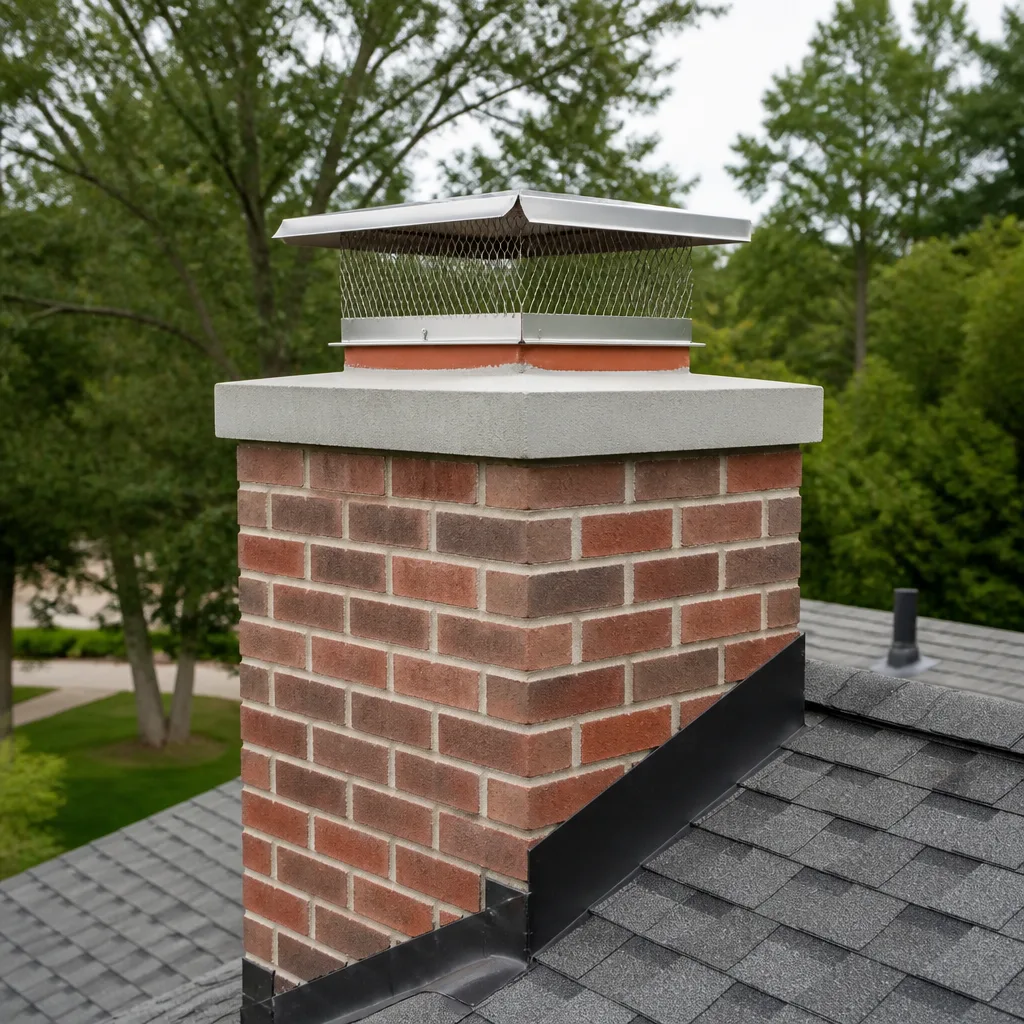
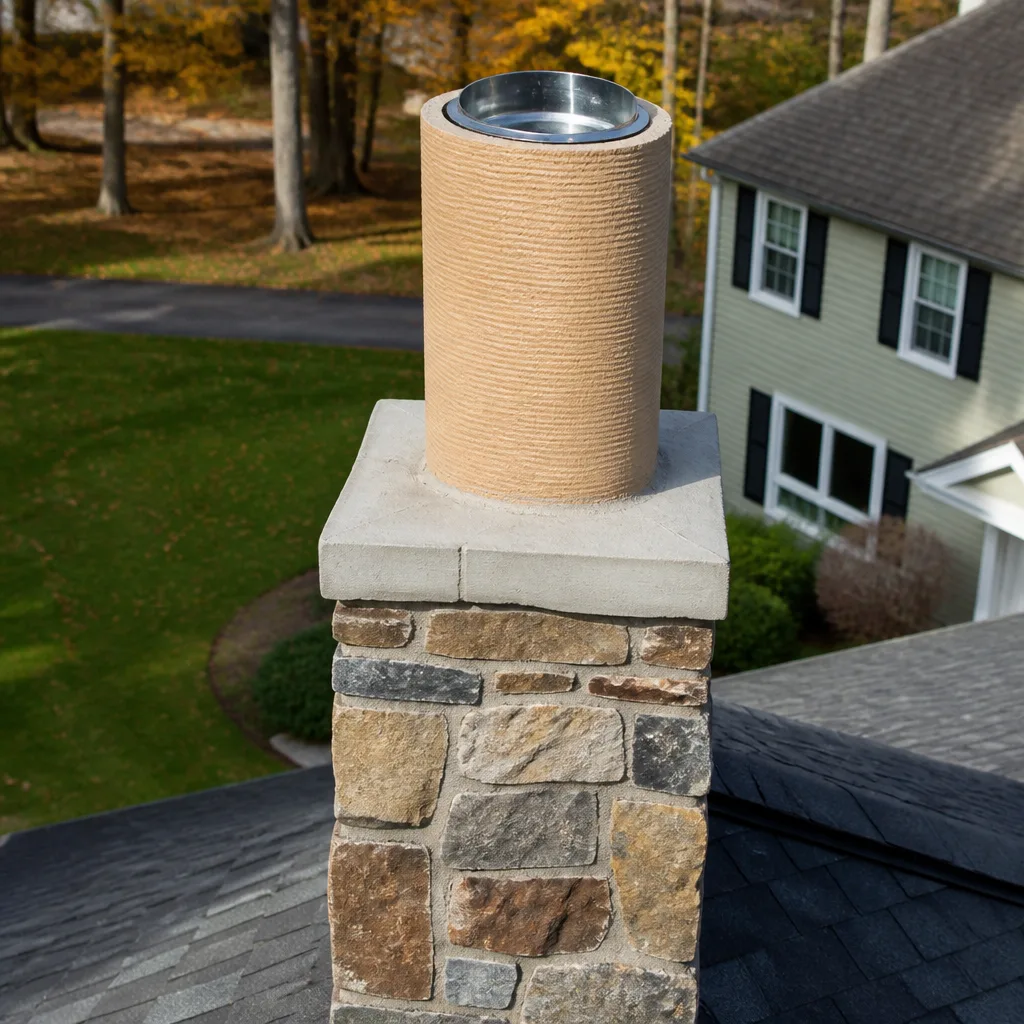
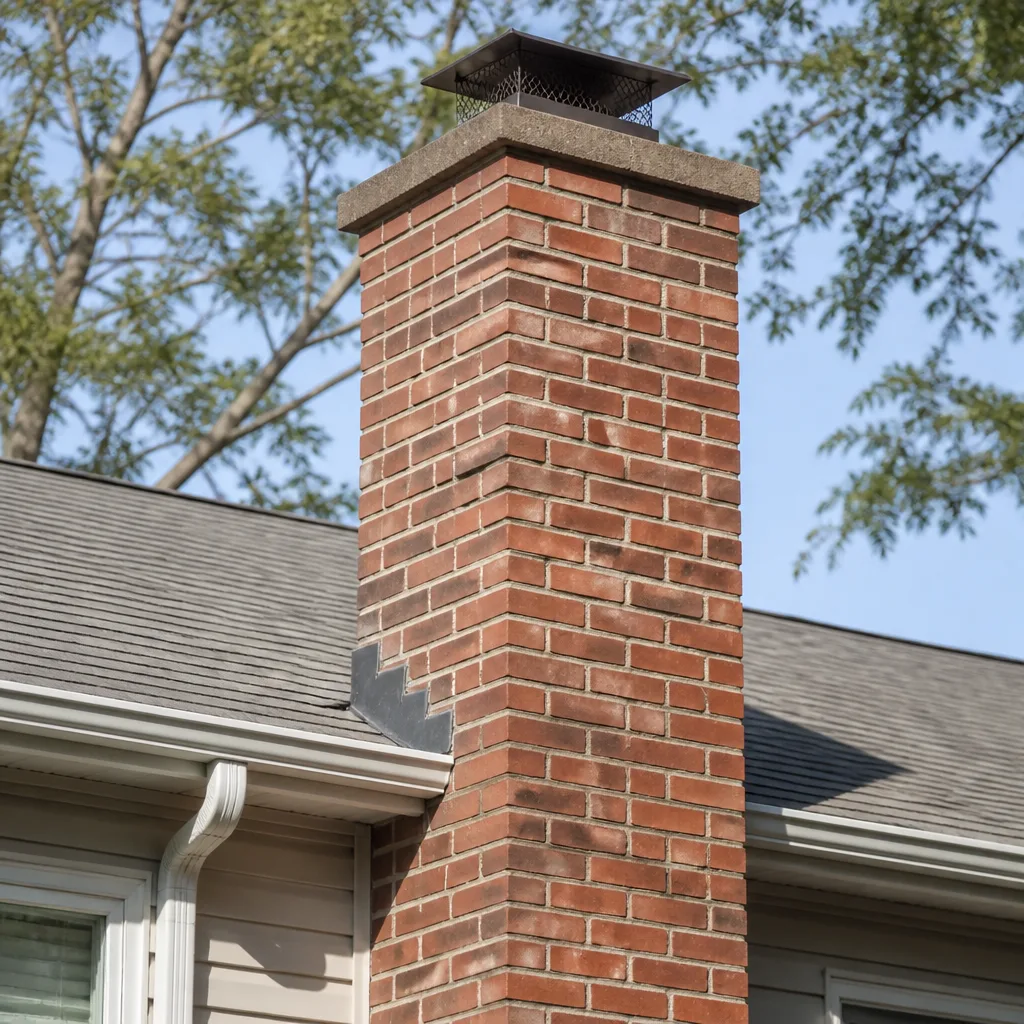
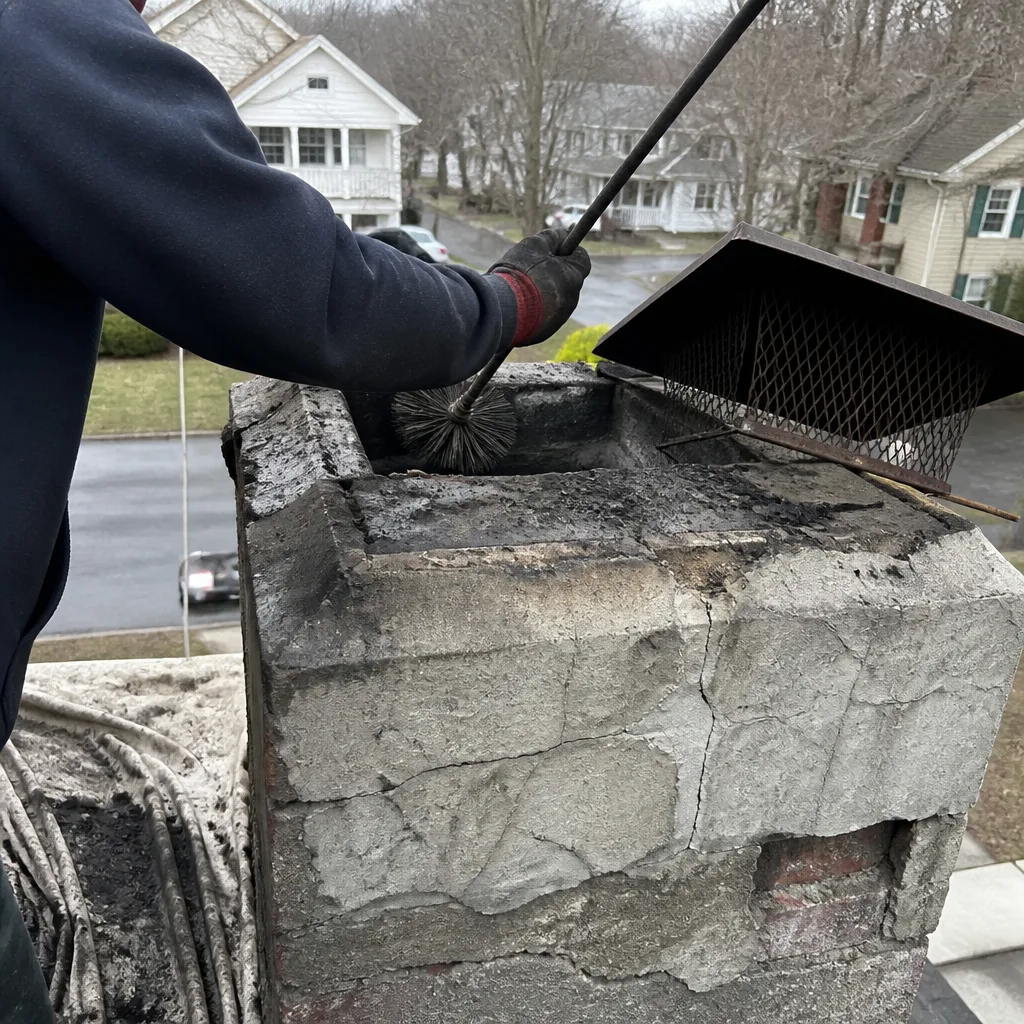 Before
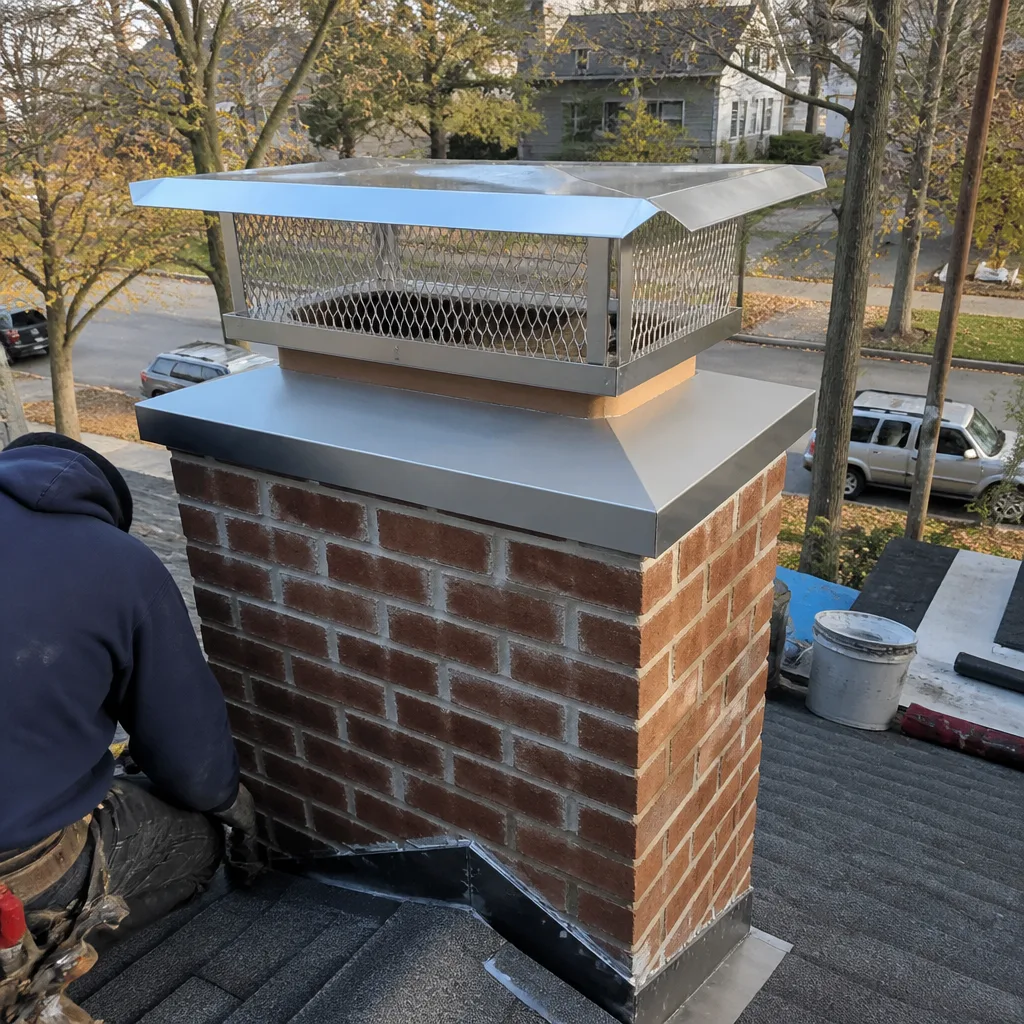 After
After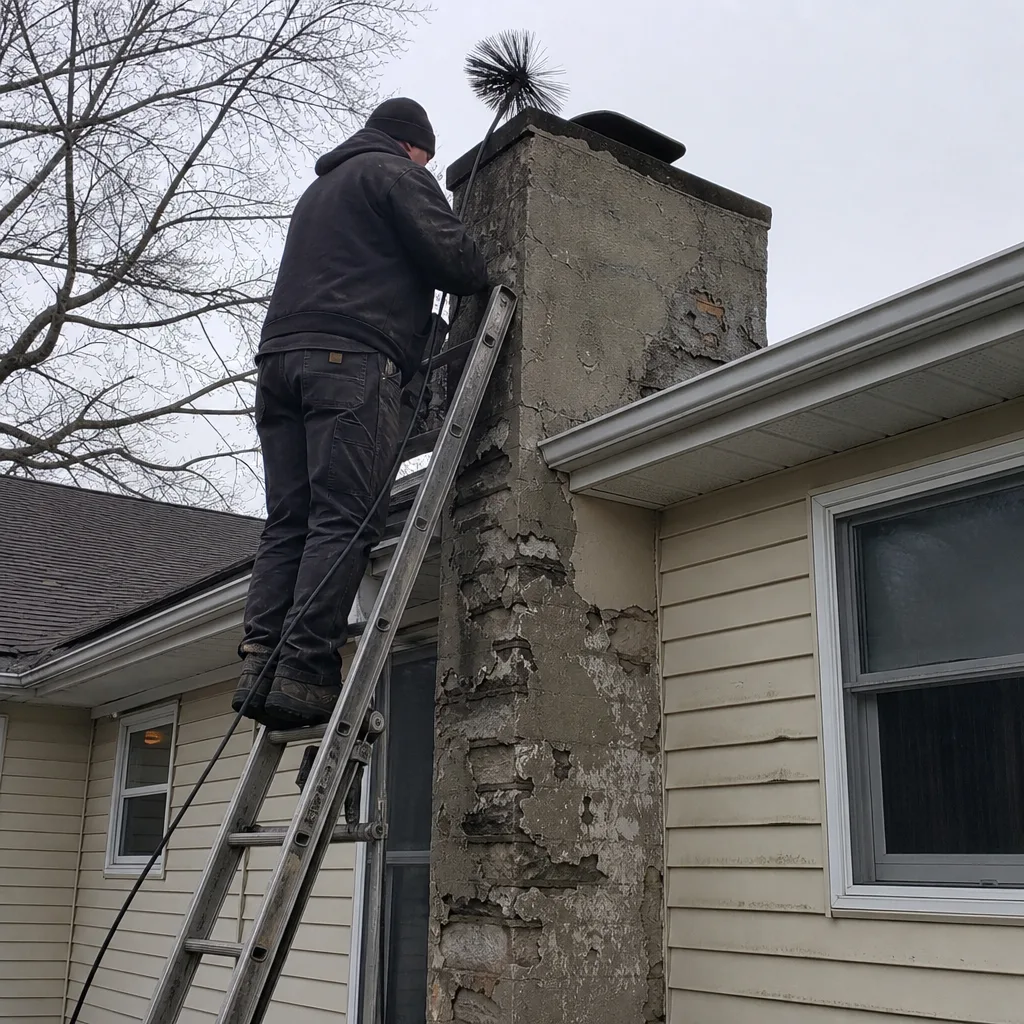 Before
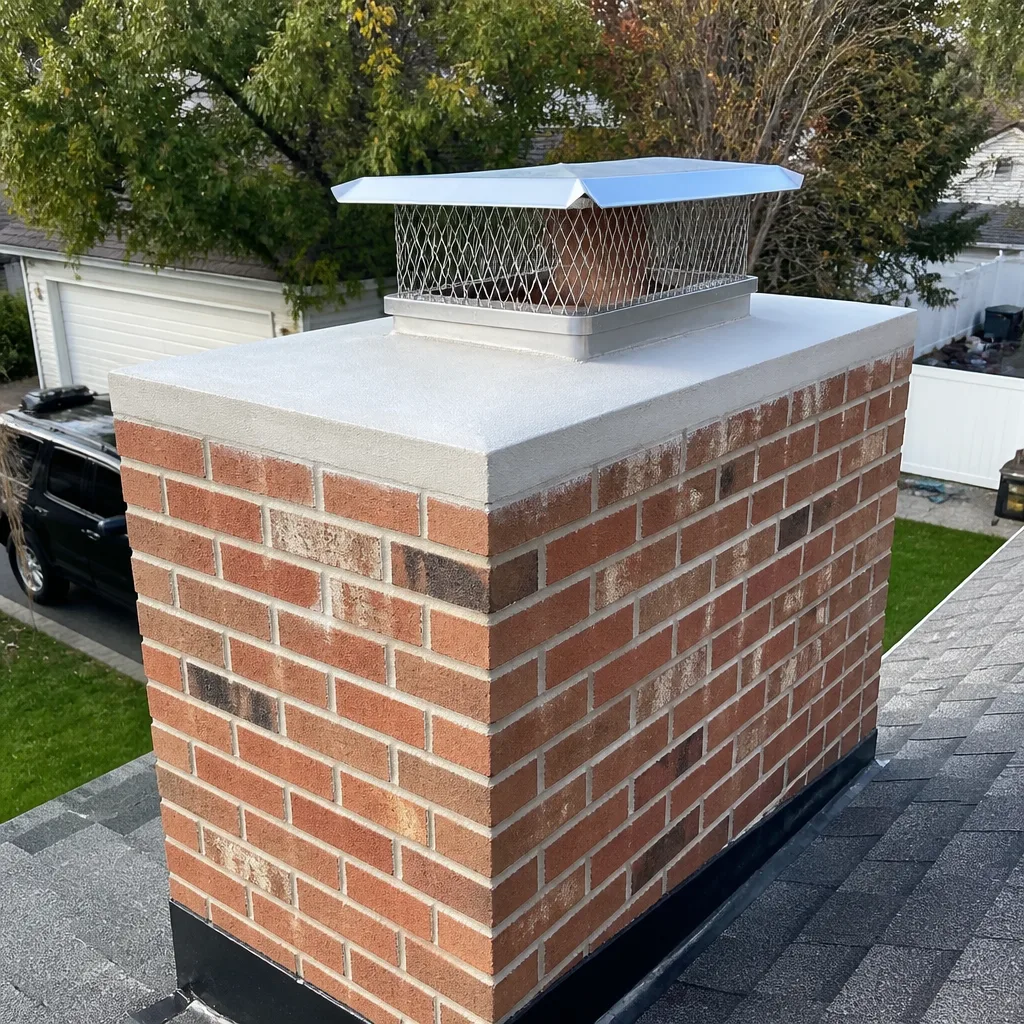 After
After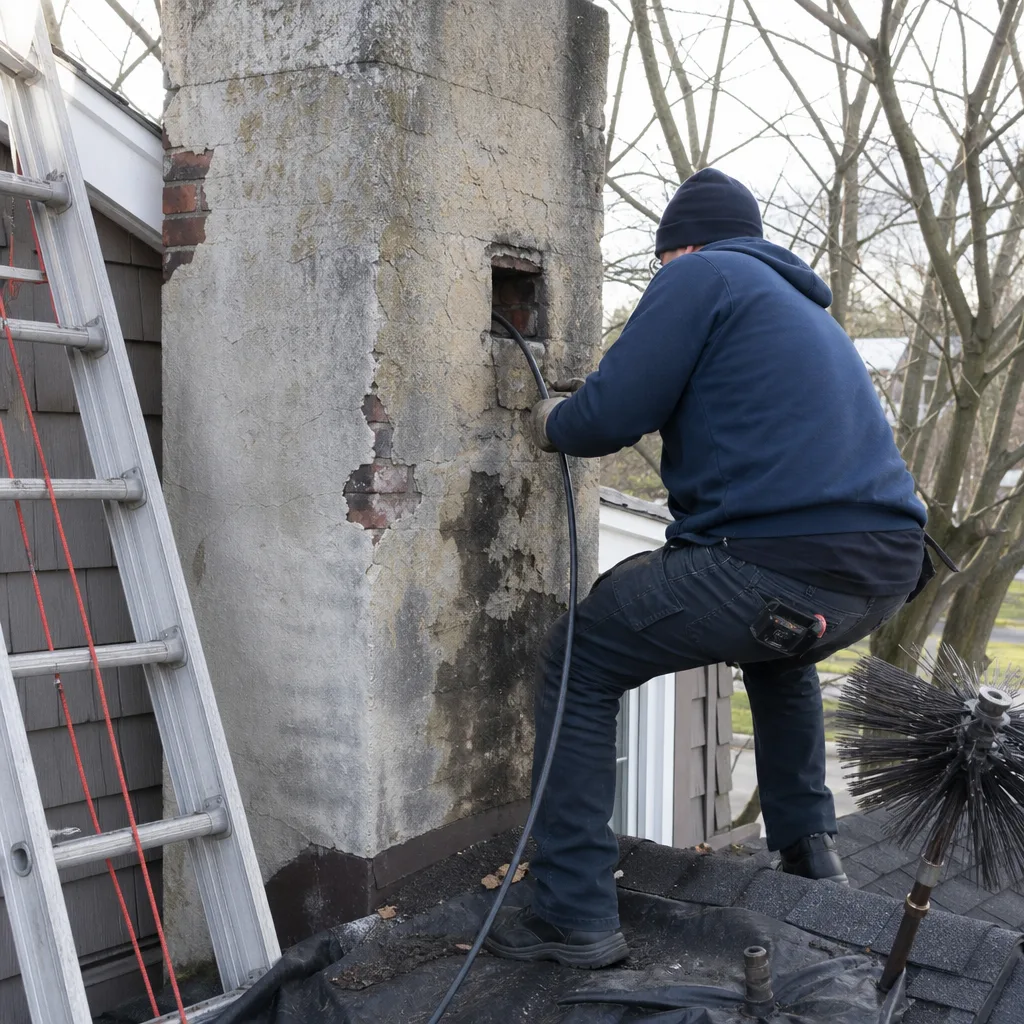 Before
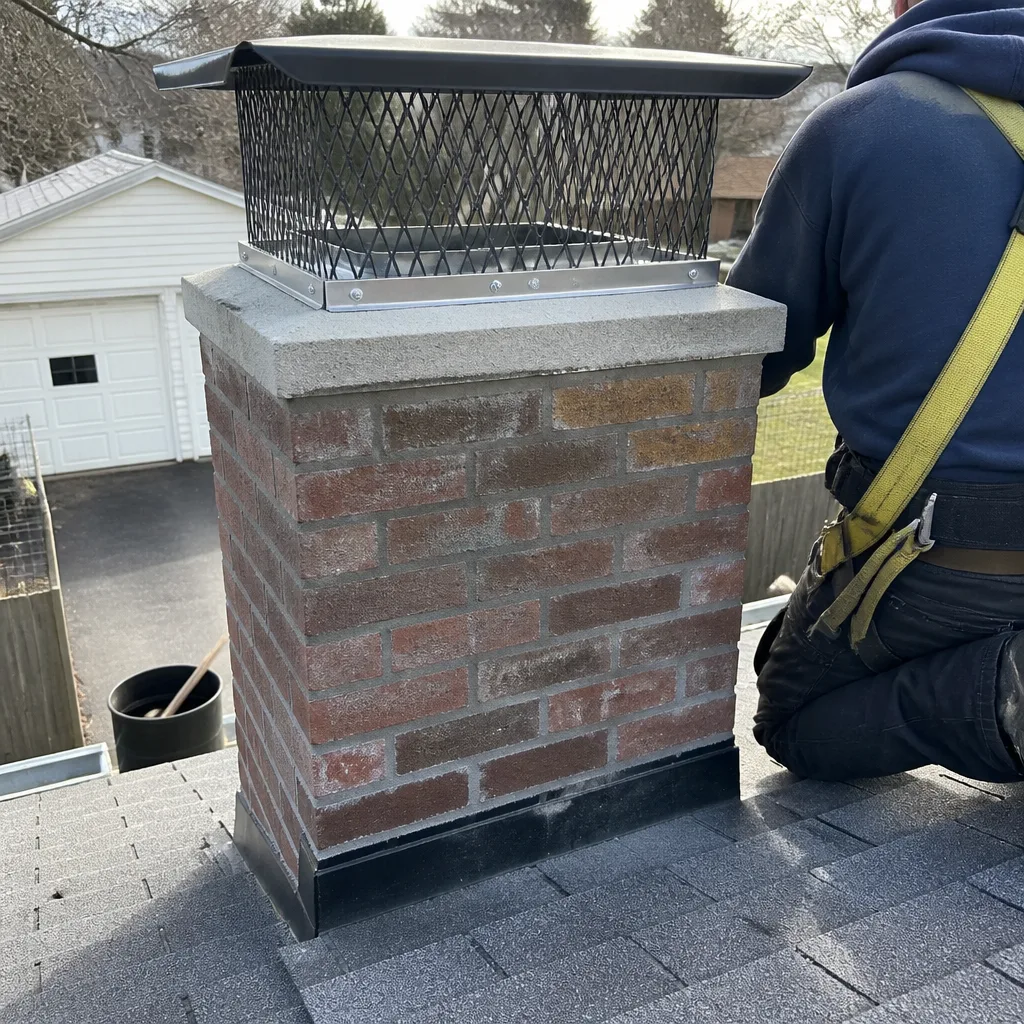 After
AfterHeatShield Chimney Cap Installation: The Deer Park Owner’s Guide
We stock and install HeatShield-compatible chimney cap assemblies throughout Deer Park, NY, with most installations running between $240 and $420 depending on flue size and roof access. If your cap is rusted through, missing its mesh, or letting rain straight down the flue, we can usually get it swapped within a few days of your call. Most Deer Park homeowners discover the problem after a storm, when water stains appear on the ceiling near the chimney or they hear dripping inside the firebox.
HeatShield caps take a beating on Long Island. Salt air off the Great South Bay, freeze-thaw cycles from November through March, and the occasional nor’easter all work against galvanized steel and even stainless. By the time most folks call us, the cap has been quietly failing for a season or two. The good news is this is one of the more straightforward chimney repairs we do, and we do it often enough in Deer Park that we keep the common sizes on the truck.
Which HeatShield Models This Applies To
HeatShield makes cap assemblies for their stainless steel chimney liner systems, and the fitment depends on two things: the inner diameter of your flue liner and whether you have a round or oval termination. The most common sizes we install in Deer Park homes are 6-inch and 8-inch round caps, with 5.5-inch oval showing up regularly on older masonry chimneys that were retrofitted with a liner.
Here’s the compatibility gotcha we see all the time: HeatShield caps are designed to mate with their liner termination plate, and the plate’s bolt pattern will not always line up with a competitor’s cap even if the diameter matches. If you have a HeatShield liner, buy the HeatShield-specific cap or a cap we’ve verified fits their termination hardware. On the question of OEM versus aftermarket, our honest take is this: for caps specifically, the aftermarket options from Gelco and Copperfield are usually as good as the HeatShield-branded part and sometimes cheaper. The steel grade matters more than the logo. For the liner itself, we stick with HeatShield or DuraFlex. For the cap, a 304 stainless cap from a name we trust is going to hold up just fine in Deer Park weather.
If you’re not sure what you have, look for a small stamped label on the cap’s underside or the termination plate. Or call us, describe what you see from the ground, and Wendell can usually tell you what you’re working with before we even get on the roof.
Signs Your HeatShield Chimney Cap Installation Is Failing
- Water in the firebox after rain. This is the classic. A cap with rotted mesh or a broken spark screen lets rain pour straight down. In Deer Park, where we get sideways rain off the bay, a cap that looks fine from the driveway can be leaking badly once you’re up there looking at it.
- Rust streaks on the chimney crown or siding below the cap. Galvanized caps shed rust as they fail. Stainless holds up far longer, but cheap steel caps installed by the previous homeowner or the builder start streaking within five to seven years in our climate.
- Birds or squirrels in the flue. The mesh on a HeatShield cap is there to keep animals out. Once it rusts through or a seam splits, birds get in, build nests, and create a fire hazard. We’ve pulled nests out of Deer Park chimneys that filled a five-gallon bucket.
- Downdrafts or smoke backing into the house on windy days. A damaged cap can disrupt proper draw. If your fireplace was fine last winter but now pushes smoke back into the room when the wind gusts, the cap is a prime suspect.
- Visible damage from the ground. Leaning, missing chunks, or a cap that’s shifted off-center. If you can see it from the lawn, it’s overdue for replacement. Deer Park gets enough wind off the Atlantic that a loose cap will eventually come off entirely, and you don’t want to find out where it landed.
Replacement Cost & What’s Included
A HeatShield chimney cap installation in Deer Park typically runs $240 to $420 installed, and that’s for the cap, the labor, and the sealant work at the termination plate. The spread comes from a few things: flue size matters, and so does roof pitch and accessibility. A steep roof on a two-story colonial is going to cost more than a single-story ranch with an easy walk-up. We don’t add a surprise trip charge if you’re in our county, and anyone over 65 or a veteran gets 10% off without having to ask twice.
| Item | Typical Range (Deer Park, NY) |
|---|---|
| HeatShield-compatible cap (6-inch round) | $85-$140 |
| HeatShield-compatible cap (8-inch round) | $110-$180 |
| Oval or custom termination cap | $120-$200 |
| Labor & sealant (standard roof access) | $110-$220 |
| Steep roof / second-story access add-on | $40-$80 |
Every cap we install is covered under our 90-Day Done Right Promise. If something’s not right with the installation, one call brings Wendell back at no charge. Simple as that.
DIY or Call Us?
Here’s the honest version. Climbing onto a roof to swap a chimney cap is not a safe weekend project. Deer Park roofs get slick with moss and morning condensation, and a fall from even a single-story roof can change your life. If you’re comfortable on a ladder and your roof is low and walkable, you can certainly inspect from the ground with binoculars. But for the actual replacement, we’d rather you call us. We bring the right size cap, the right sealant, and the experience to do it without an emergency room visit.
“If it doesn’t need doing, I’ll tell you that too.” That’s how we operate. If your cap is actually fine and the water is coming from somewhere else, we’ll tell you that before we recommend anything. Call (631) 214-2108 and we’ll give you a straight answer and a straight price before any tool comes off the truck.
FAQs
A quality stainless steel cap installed on a HeatShield liner should last 12 to 15 years in our climate before the mesh or seams start to show real wear. Galvanized caps, which are cheaper upfront, often need replacement within five to seven years due to salt air and freeze-thaw cycling. We recommend stainless for any home within a few miles of the water. Call (631) 214-2108 and we’ll tell you honestly what kind of cap you have and what kind of shape it’s in.
Once the mesh is rusted through or the seams are split, patching buys you a season at best and then fails again, usually at the worst time. The cap itself is the inexpensive part of this job; the labor to get up there and do the work is the same either way. We’d rather put a new cap on and give you the full 90-Day Done Right Promise than send you up a ladder twice. Call (631) 214-2108 for an honest assessment.
A standard HeatShield cap swap takes 45 to 90 minutes of roof time once we’re up there. With setup, cleanup, and a quick flue inspection while we’re at it, expect the whole visit to run about two hours. We’ll give you a real arrival window and call if it slips.
We keep the most common HeatShield-compatible cap sizes on the truck when we’re working in Deer Park: 6-inch and 8-inch round, plus a few ovals. If you have an unusual termination or a size we don’t carry, we can usually have it within a couple of days and get you on the schedule the same week. Call (631) 214-2108 and we’ll tell you exactly what we can do for your setup.
Written by Wendell Pike, Owner, Top Hat Chimney - Deer Park, NY at Top Hat Chimney, serving Deer Park and nearby areas.