

Last updated September 10, 2026
Level 1 sweep and inspection to the NFPA 211 annual standard - flue, crown, cap, and flashing checked and photographed
Chimney sweep logs do not sweep chimneys. They loosen some creosote - which then falls where a brush and vacuum still have to collect it.
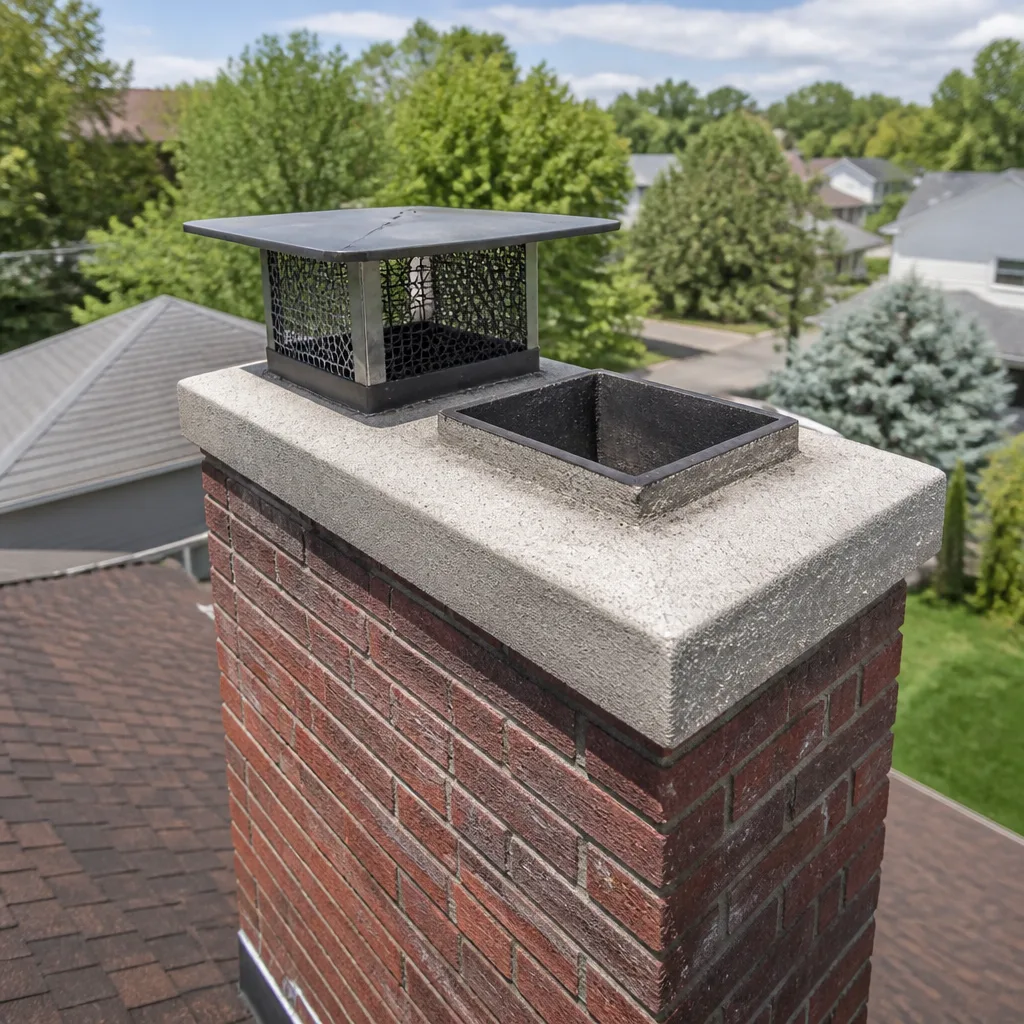
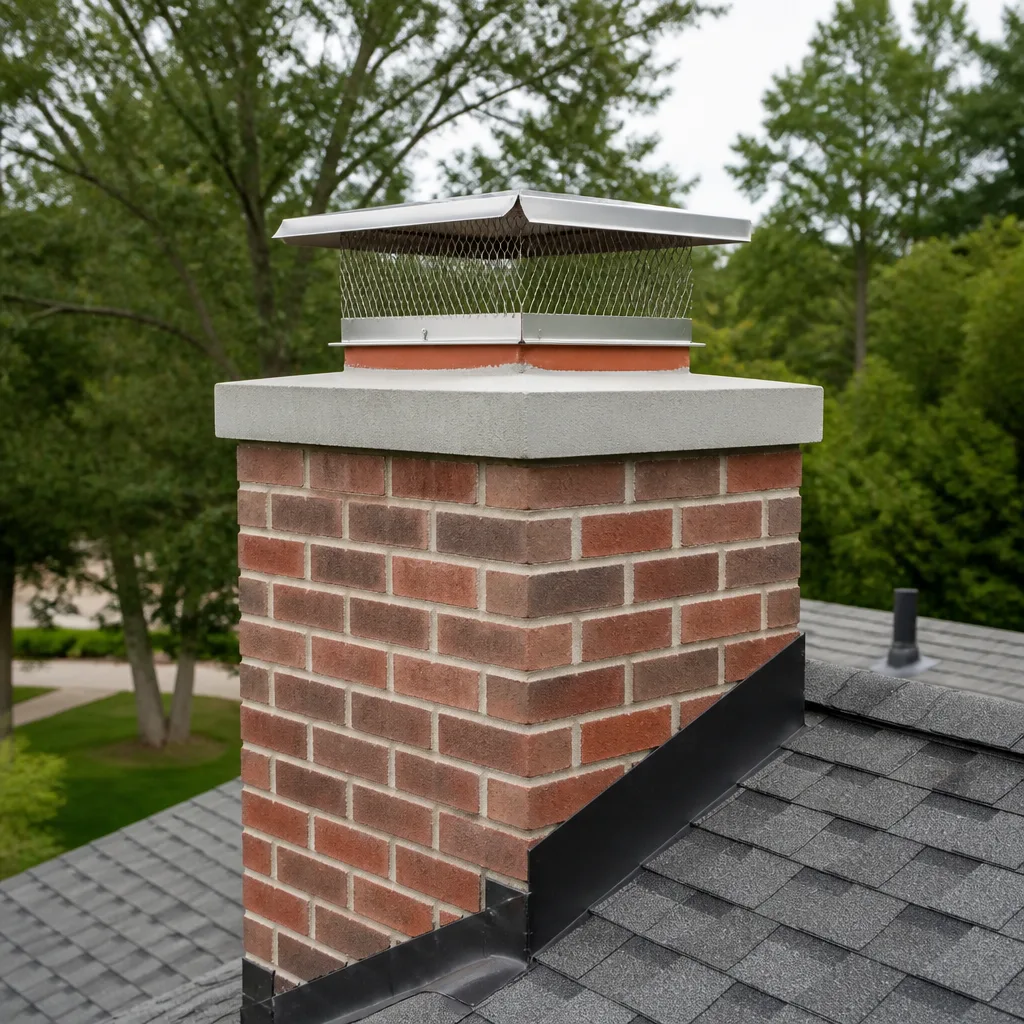
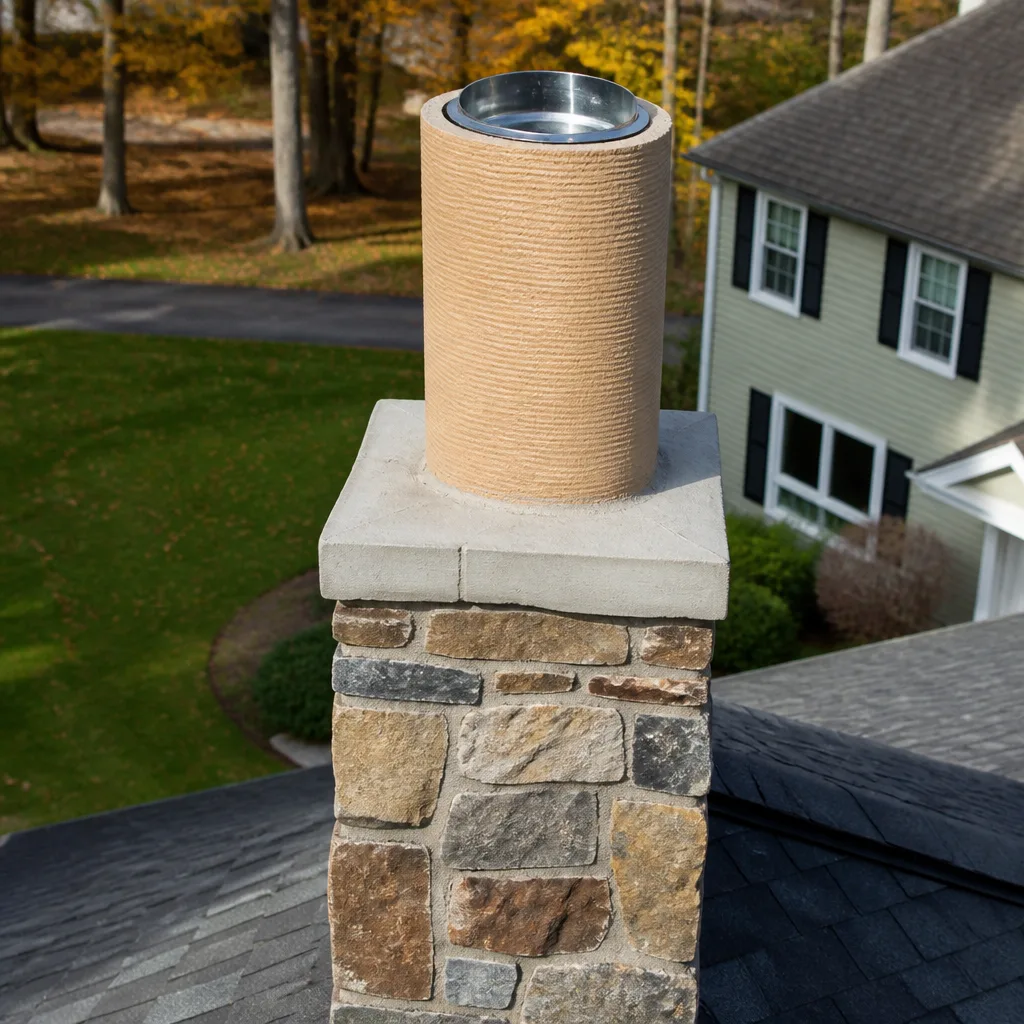
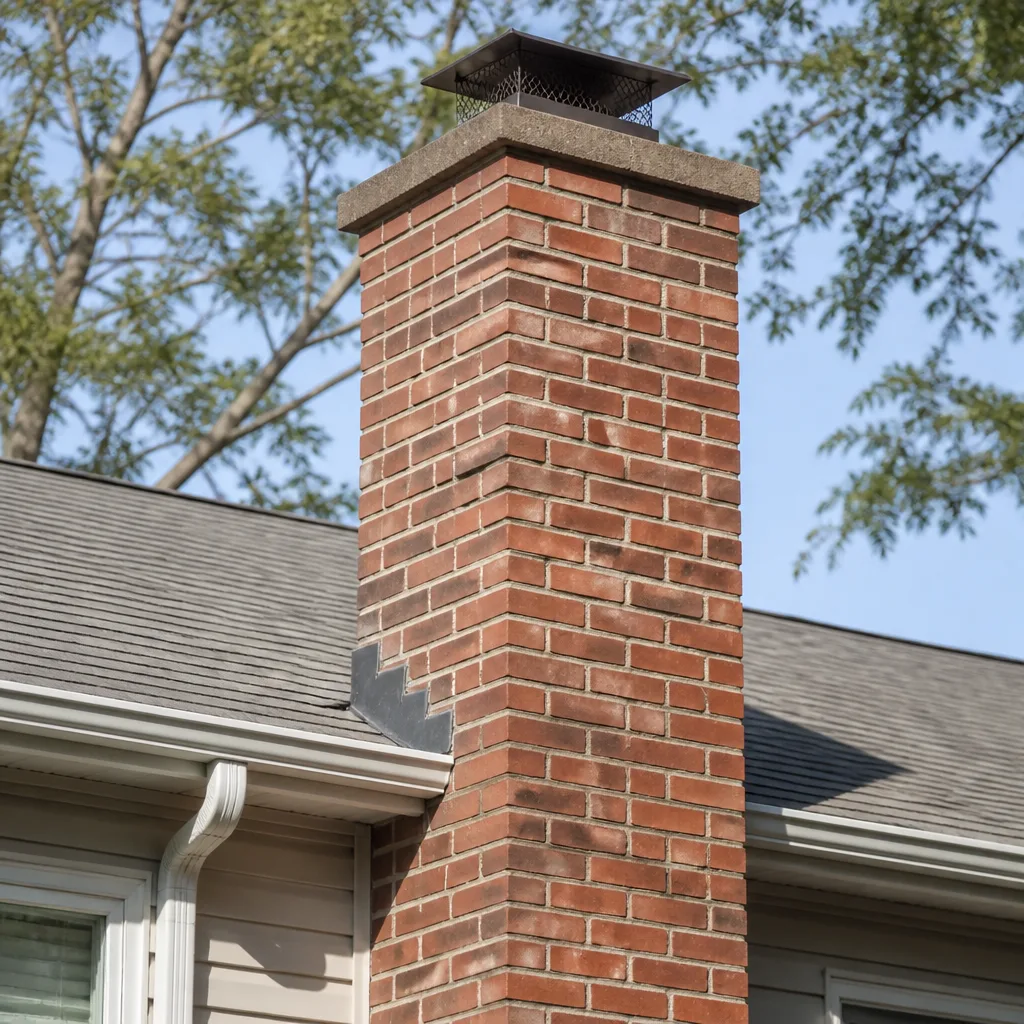
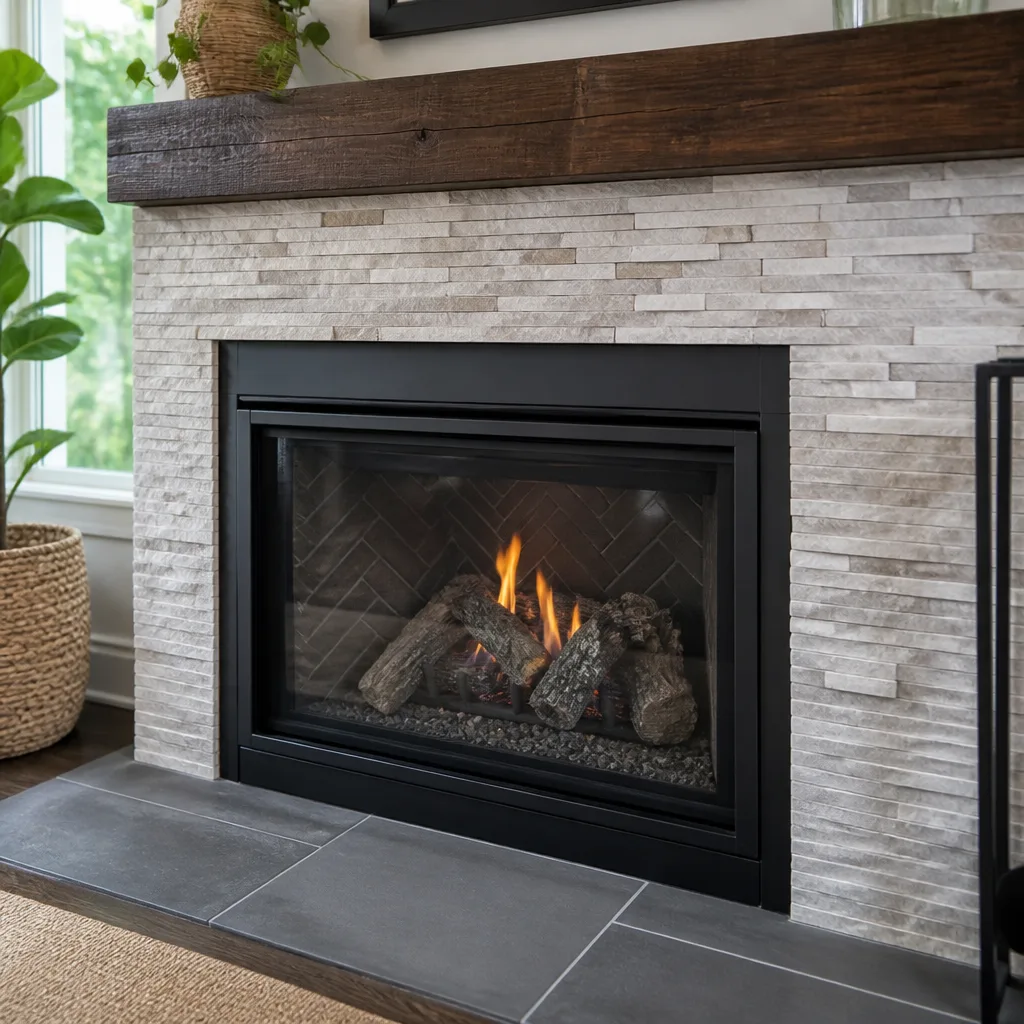
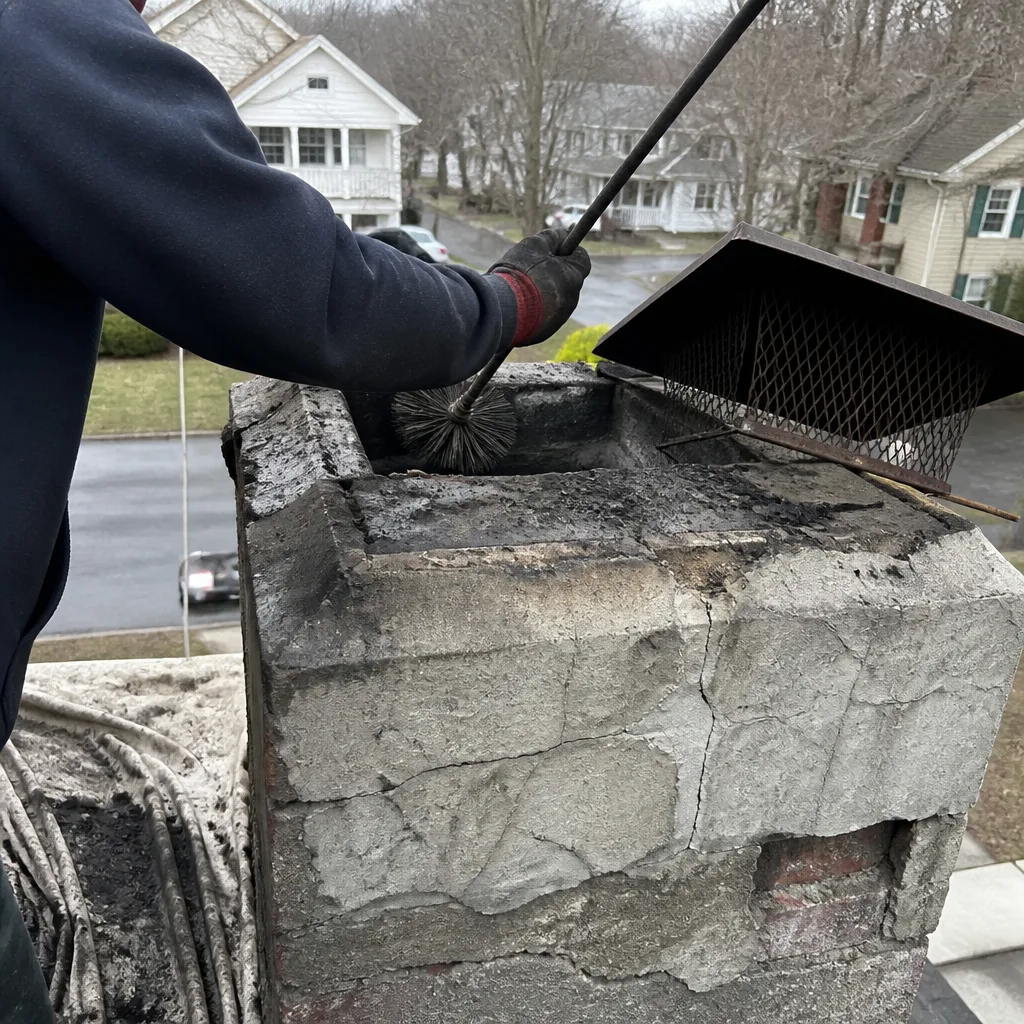 Before
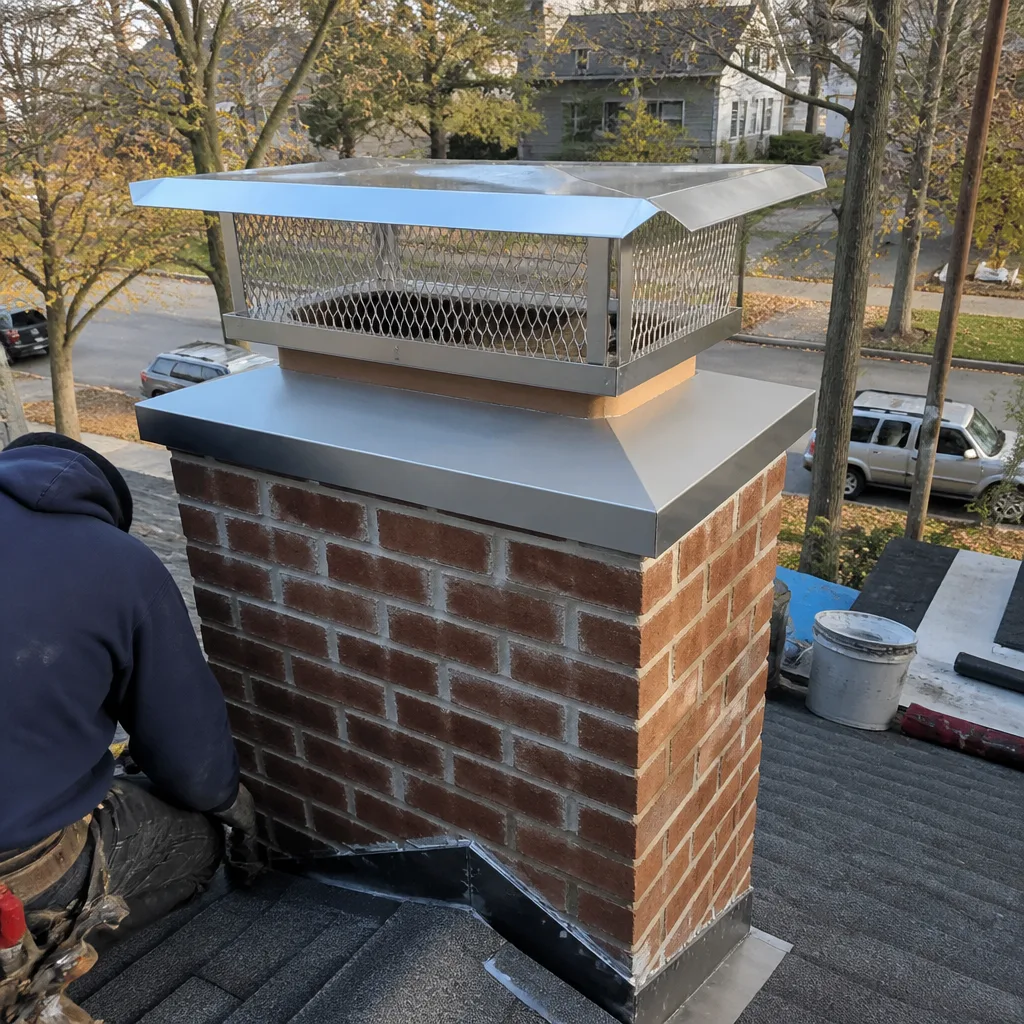 After
After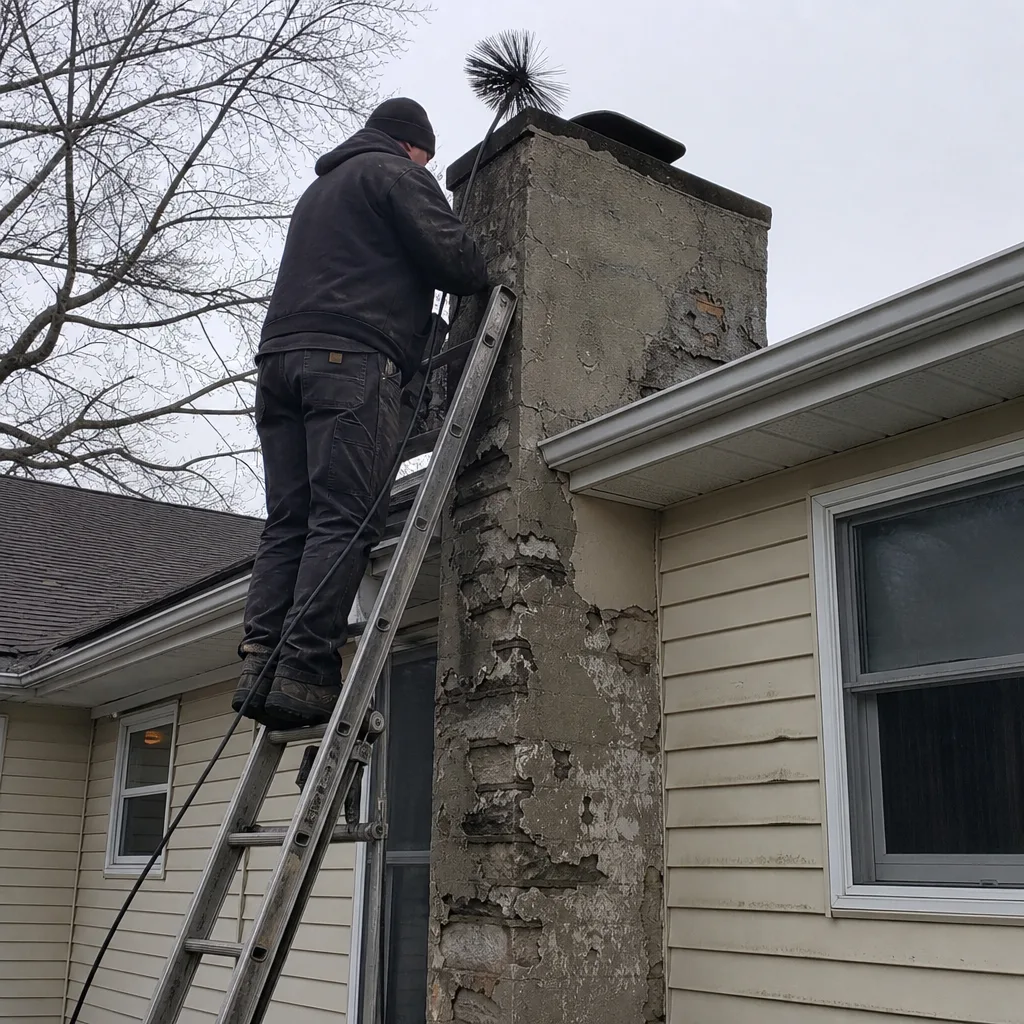 Before
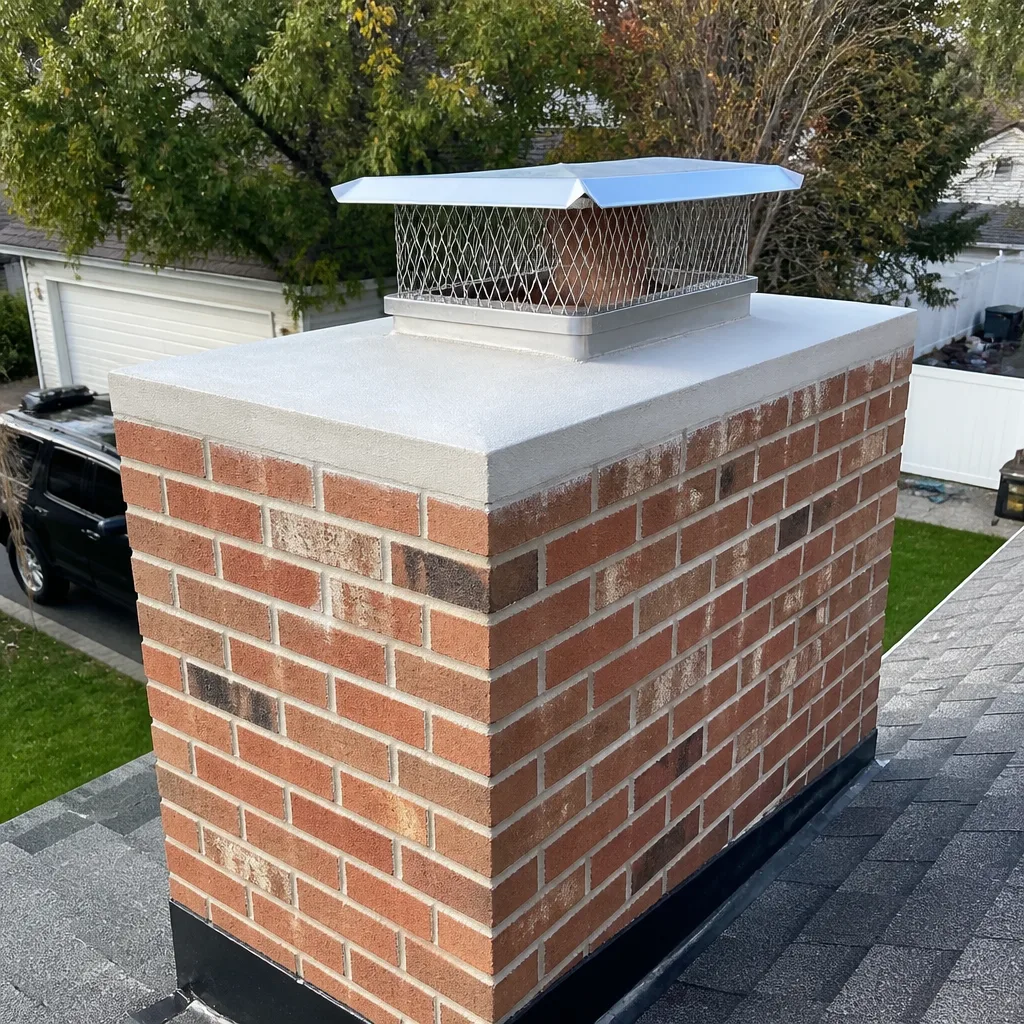 After
After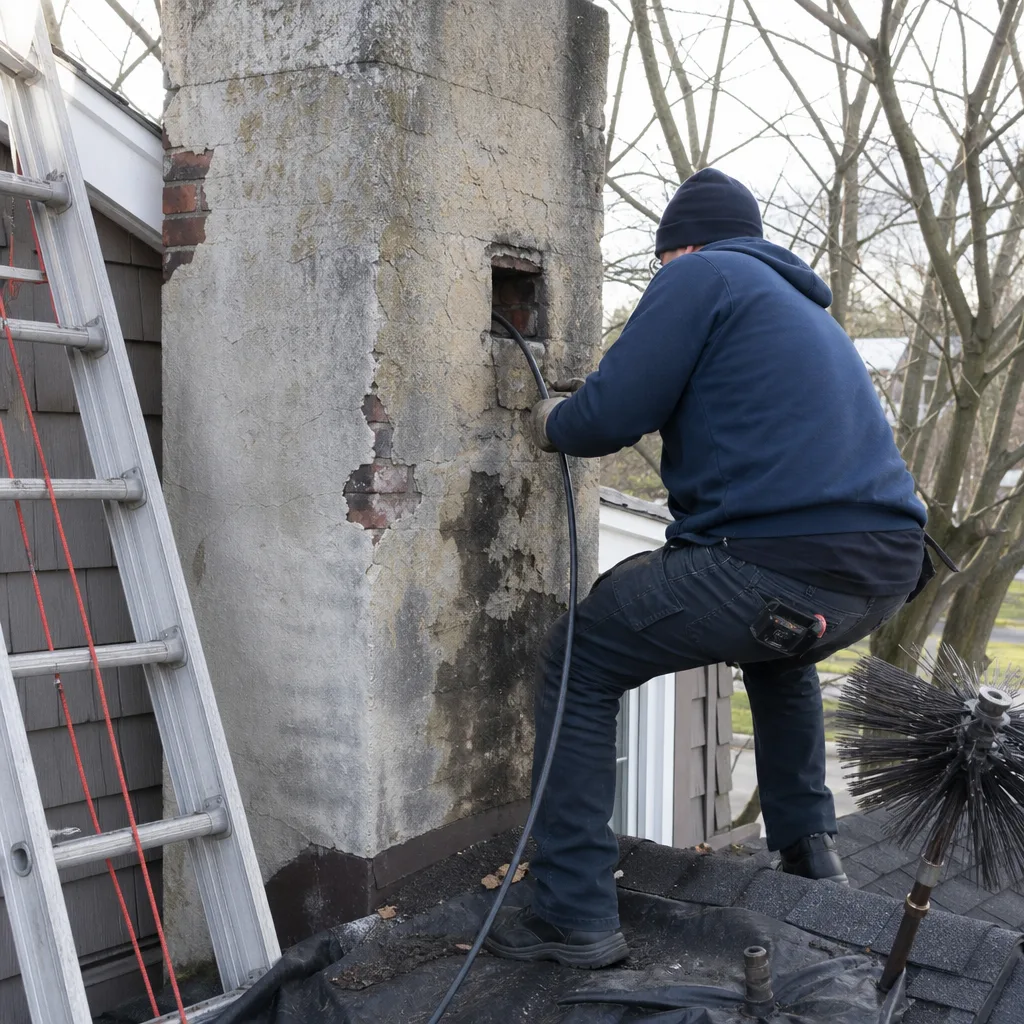 Before
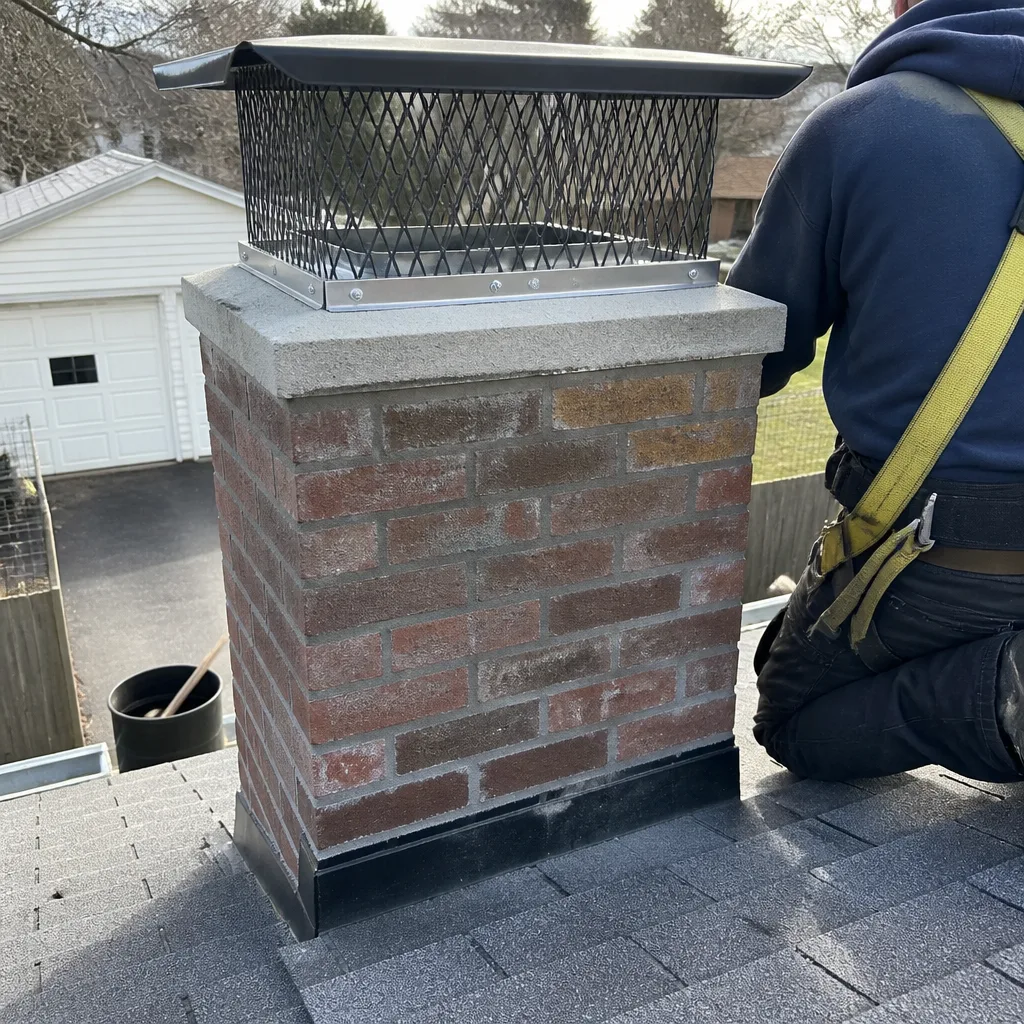 After
AfterSeasonal Chimney Cleaning Care for Deer Park: Year-Round Homeowner’s Guide
August is the best month to think about your chimney in Deer Park, and almost nobody does. By the time October rolls around and you remember to call, you’re booking four weeks out and lighting fires in a flue that hasn’t been looked at since March. This guide lays out a year-round schedule that actually fits how Deer Park homes live: humid summers, a short but real heating season, and salt air that never stops working on your masonry. For Chimney Cleaning & Sweep Maintenance Checklist for Deer Park Homeowners, more guides & resources are available on our blog. You’ll learn when to schedule a sweep, what to check between visits, and which problems can safely wait.
Quick Answer
The smart seasonal chimney cleaning schedule for Deer Park is a sweep in late August or September, a visual check after the heating season ends in March, and a mid-season cleaning only if you burn more than two cords of wood or notice sluggish draft. Book the August-September window early because it fills up fast, and never skip the spring check: freeze-thaw damage and animal nesting do most of their work between March and August. Before scheduling, review Chimney Cleaning Permits, Codes & Inspections in NY: What You Need to Know to ensure compliance.
Table of Contents
- Why August Is the Real Deadline in Deer Park
- Off-Season Chimney Care: What to Do (and Not Do) From April to September
- How Much Burning Triggers a Mid-Season Cleaning in Deer Park?
- The Spring Check: Catching Freeze-Thaw Damage Before Summer Makes It Worse
- Animals, Nesting, and the Deer Park Spring Problem
- Salt Air and Your Chimney: What Long Island Humidity Actually Does
- Common Mistakes to Avoid
- When to Call a Professional
- Frequently Asked Questions
- The Bottom Line
Why August Is the Real Deadline in Deer Park
Most Deer Park homeowners call for a chimney sweep in October or November, right when the first cold snap hits and everyone remembers the fireplace exists. That’s the busiest stretch of our year, and it’s also when the most avoidable problems surface. By August, a sweep can get to your home within days, do the work without time pressure, and you’ll light your first fire knowing the flue was inspected when it was bone dry and easy to read.
There’s a technical reason August beats October. Creosote and masonry both behave differently in warm, dry weather. A flue that sat through a humid Long Island July absorbs moisture, and that moisture can hide hairline cracks in clay tile liners. When we inspect in August, the flue has had time to dry out from spring rains but hasn’t yet been saturated by fall storms. The camera footage is clearer, and so is the verdict. Wendell has been looking at Deer Park flues since 1999, and he’ll tell you the same thing: he’d rather find a problem in August and fix it with six weeks of margin than rush a repair three days before Thanksgiving.
There’s also a practical reason. Deer Park has a lot of homes built between the 1950s and 1980s, and many still have their original clay tile liners. Those liners are now 40 to 70 years old. The failure pattern is predictable: a good liner that was fine in March can show a cracked tile after a summer of thermal expansion and contraction from hot afternoons and cool nights. August is when that damage is easiest to spot and cheapest to fix, before a season of hot fires turns a small crack into a spalled tile. Book the Chimney Cleaning & Sweep in Deer Park window early. It fills every year, and it’s the single best way to avoid the October rush.
Off-Season Chimney Care: What to Do (and Not Do) From April to September
Your flue doesn’t care how the fire looks. It cares how it breathes. That breathing doesn’t stop when you stop burning. From April through September, your chimney is an open pipe from your roof to your firebox, and humid Deer Park air is moving through it or condensing inside it almost every day. What you do with the damper, the firebox, and the cap during these months determines whether you’ll have a clean, ready flue in October or a damp, spalling mess.
Here’s the off-season protocol we recommend for Deer Park homes, step by step:
- Close the damper, but not all the way. A cast-iron damper that’s sealed tight traps humid air in the flue. We recommend leaving it cracked about a quarter inch. Yes, a little air gets in and out of the house. That airflow is what prevents condensation from pooling on the damper plate and rusting out the cast iron. If you have a top-sealing damper, close that in late spring instead.
- Keep the firebox dry. If your fireplace faces the prevailing wind or sits on the side of the house that catches summer storms, you may get wind-driven rain down the flue. Put a small dampproof mat or a few sheets of folded newspaper in the firebox to absorb it. Check it after heavy storms. If it’s consistently wet, you have a cap problem, not a weather problem.
- Leave the chimney cap alone. A properly sized and screened cap is your best off-season defense. Don’t wrap the chimney in plastic or tape over the crown. That traps moisture inside the masonry and accelerates freeze-thaw damage. If your cap is missing or the screen is torn, call for a replacement before nesting season starts in March.
- Inspect what you can see from the ground. Walk around the house once a month. Look at the cap, the crown, and the top three feet of the flue. If you see a missing cap, a leaning flue, or chunks of mortar on the ground, that’s a spring call, not an August call.
- Don’t “freshen” the firebox with household cleaners. Chemical residues burn off as fumes when you light the first fire. A dry brush and a shop vacuum are all you need. If the firebox smells musty, that’s moisture, and the fix is a cap or a damper adjustment, not a cleaner.
One more thing: if you store firewood anywhere near the house, move it at least 20 feet from the foundation before July. Firewood stacks are termite and carpenter ant buffets, and Long Island is not short on either. The off-season is when those colonies find the stack and then find your sill plate six months later.
How Much Burning Triggers a Mid-Season Cleaning in Deer Park?
Most homeowners who burn recreationally, a fire every weekend from November through February plus the holidays, can go the whole season on one late-summer sweep. The flue isn’t accumulating creosote fast enough to be a fire hazard, and the burning is light enough that the creosote stays in its first-degree, brush-it-out form. But there are Deer Park homes that need more than one cleaning, and the trigger is almost always volume.
Here’s the rule of thumb we use after 29 years of working chimneys on Long Island:
- Under one cord of seasoned hardwood per season: one sweep per year, in late August or September, is plenty.
- One to two cords per season: one sweep in late summer, plus a visual check in January if you notice sluggish draft or more smoke in the room. If you burn toward the high end, plan on a February sweep.
- Two to three cords per season, or any amount of unseasoned wood: you’ll need a second cleaning mid-season. Book it now for January and don’t wait until you see buildup. By the time creosote is visible as shiny black glaze inside the flue, it’s second-degree and hardening into a glaze that a brush alone won’t remove.
- More than three cords, or a wood stove insert running daily: three cleanings per season is not unreasonable. Stoves burn dirtier than open fireplaces because of how much longer the wood smolders at lower temperatures.
First-degree creosote is a brush job. Third-degree is a glaze, and a glaze almost always means a professional chemical or media treatment, not just a sweep. If you’re near the two-cord line and heating with wood as your primary source in Deer Park, err on the side of the January cleaning. It’s cheaper than a chimney fire.
One local factor people don’t factor in: Deer Park gets a lot of wet weather in November and December. Wet seasoned wood burns cooler and produces more creosote than dry wood. If you don’t have a proper wood shed and your pile has been rained on since September, treat that as a half step up in your cleaning schedule. Burn dry wood, and the schedule above holds.
The Spring Check: Catching Freeze-Thaw Damage Before Summer Makes It Worse
Chimneys break in the off-season too. That’s not a slogan; it’s a structural fact. The damage that sends a Deer Park chimney into the repair queue most often starts between February and April, when daytime highs climb above freezing and nighttime lows drop back below it. Every freeze-thaw cycle forces water that has soaked into the masonry to expand, and over a hundred cycles per winter, that expansion cracks mortar joints and spalls brick faces.
The spring check is a 15-minute inspection you can do on the ground, and it’s worth doing every year, burn or no burn. Here’s what to look for in late March or early April:
- Look at the crown. The concrete cap on top of the chimney is your first line of defense. If it’s cracked, those cracks let water into the chimney chase, and that water works its way into the brick below. Cracks wider than a pencil line are a repair call.
- Look at the mortar joints. Walk around the house and look at the chimney from several angles. If the mortar between bricks is recessed more than a quarter inch, crumbling, or disappearing entirely, the joints need repointing before another winter’s freeze-thaw cycles turn a cosmetic issue into loose bricks.
- Look at the flashing. The metal strips where the chimney meets the roof are a common leak point. Look for rust, lifted edges, or gaps. If you see daylight under the flashing, water is already finding its way in.
- Check the flue tiles from the top if you can safely access the roof. We don’t recommend climbing on a Deer Park roof in March. But if you’re already up there cleaning gutters and you can see down the flue from a secure ladder, a cracked or spalling tile near the top is a clear sign that the liner needs a professional look.
- Look inside the firebox. If you see loose brick, crumbling mortar in the back wall, or water stains, that’s moisture ingress. A water stain in the firebox in April means water was getting in for months, and the source needs finding before next winter.
If any of these checks turn up something, the fix is usually straightforward in spring: a Chimney Repair in Deer Park call for a crown patch, a repointing job, or new flashing. Left alone through a humid Long Island summer, those small issues become freeze-thaw failures by the following February. The camera doesn’t lie, and spring is when the camera footage is cheapest.
Animals, Nesting, and the Deer Park Spring Problem
Every spring, starting in late March, we get calls from Deer Park homeowners who hear chirping, scratching, or shuffling inside the chimney. It’s almost always chimney swifts in April and May, or squirrels and raccoons later in the summer. And here’s the part that changes your timeline: most of these species are protected.
Chimney swifts are a federally protected migratory bird. It is illegal to remove an active nest, and in most cases the nest has eggs in it by the time you hear the chicks. The adults leave in late summer, and that’s when the nest can be removed and the flue swept. In practice, that means if a swift builds in your flue in May, you’re not doing a clean sweep until August or September, which actually lines up with the ideal pre-season window anyway. Annoying in the moment, but the timing works out.
Squirrels and raccoons are a different problem. They don’t leave on a schedule. Raccoons in a chimney in Deer Park are usually females with kits from March through June, and they won’t leave voluntarily until the kits are mobile. Squirrels will move in any month and stay as long as the food holds out. The only reliable solution for both is a professional exclusion, which removes the animals safely, cleans the nesting material, and then installs a properly sized cap with secure screening so they can’t return. A missing chimney cap is an open invitation. If you don’t have a cap or the screen is damaged, make that call before March. It is far cheaper to install a cap than to remove a raccoon family and repair the liner damage they did while living there.
What you can do: check the chimney in February for any sign of animals, and if you hear them at any point, don’t smoke them out. That risks a fire, and it can kill the animals, which is a violation if they’re protected. Call someone who does wildlife-safe exclusion. Then schedule the sweep for after they’re gone.
Salt Air and Your Chimney: What Long Island Humidity Actually Does
Deer Park is less than ten miles from the Great South Bay, and the salt air reaches every chimney in town. Most chimney advice on the internet was written for inland climates, and it misses what salt does to masonry and metal. Salt is hygroscopic: it pulls moisture out of the air and holds it in the chimney’s surfaces. That means your chimney is wetter year-round than the same chimney would be in upstate New York, even on days when it hasn’t rained.
For brick and mortar, that constant moisture accelerates the freeze-thaw damage we covered in the spring check section. For flashing and chimney caps, the salt accelerates corrosion. Galvanized caps that would last 15 years inland can rust through in eight on Long Island. The fix is straightforward: stainless steel caps and flashing where possible, and a masonry sealant treatment every few years for homes within a few miles of the bay. We install Fireplace Services in Deer Park components with marine-grade stainless where it matters most.
For liners, salt air is less of a direct threat, but the humidity is. A clay tile liner in a humid climate stays damp longer after a fire, and creosote is more likely to harden into a glaze when it dries slowly. That’s another reason the late-summer sweep works in Deer Park’s favor: it removes the season’s creosote while it’s still in a softer, brushable state, before a humid summer bakes it hard.
If your home is within walking distance of the water, or if you can taste salt on a foggy morning, factor salt into your maintenance schedule. Plan to replace galvanized metal components sooner rather than later, and keep an eye on the mortar joints. The chimney doesn’t care about ocean views, but the ocean definitely cares about your chimney.
Common Mistakes to Avoid
- Waiting until October to schedule a sweep. By then, Deer Park’s best chimney sweeps are booked three to four weeks out. You’ll either pay a premium for a rushed appointment or light a fire in a flue that hasn’t been inspected since spring.
- Closing the damper tight all summer. Trapped humidity rusts the damper plate and can leave you with a stiff, creaking, eventually frozen damper by November. A quarter-inch crack is all the airflow you need.
- Wrapping the chimney in plastic over the winter. This traps moisture inside the masonry, and the trapped moisture freezes and thaws all season. It damages more than it protects. A properly fitted cap is the right defense.
- Ignoring a missing or damaged chimney cap. A cap costs a few hundred dollars. The raccoon exclusion, liner repair, and resweep after a season of animal nesting cost four times that. Install the cap in late winter, before nesting season.
- Burning unseasoned wood and skipping the mid-season sweep. Wet wood produces two to three times the creosote of dry wood. If you’re burning wet wood, your once-a-year schedule doesn’t hold. Season the wood, or double the cleanings.
- DIYing a creosote treatment. Hardware store creosote powders can help loosen first-degree buildup, but they don’t replace a sweep. And chemical treatments inside a flue you can’t see are a bad way to discover you have a cracked liner. Let the sweep look first.
- Assuming the chimney is fine because you don’t use it. Unused chimneys still take water, still host animals, and still crack in the freeze-thaw cycle. Burn or no burn, once a year. Chimneys break in the off-season too.
When to Call a Professional
Call a sweep if you see any of these: smoke entering the room during normal fires, a strong campfire smell in the house when the fireplace is cold, visible creosote buildup thicker than a dime on the flue walls, water in the firebox after rain, loose brick or crumbling mortar on the chimney stack, or animals you hear but can’t see. A cracked flue liner is a genuine fire and carbon monoxide hazard, and it is the kind of thing you don’t want to learn about the hard way. Top Hat Chimney home has served Deer Park since 1999 with honest assessments, camera proof, and a written 90-Day Done Right Promise on every job. Call (631) 214-2108 for a free estimate, and we’ll tell you plainly what needs doing and what can wait.
Frequently Asked Questions
A standard chimney sweep in Deer Park typically runs between $189 and $329 depending on the flue size, the amount of creosote, and whether an inspection with camera footage is included. See our Chimney Cleaning Cost Breakdown: The Deer Park Homeowner’s Reference for 2026 for full pricing details. If the sweep finds a repair need, the price of the repair is quoted separately and you’ll see a clear number before any work begins. Call (631) 214-2108 for an exact quote. Estimates are free, and the price you hear is the price you pay.
Once a year, burn or no burn. Most Deer Park homes do great with a single sweep in late August or September, before the burning season starts. If you burn more than two cords of wood or use a wood stove daily, schedule a second cleaning in January. Unused chimneys still need an annual check because water, animals, and freeze-thaw cycles work on them whether you light fires or not.
Not always, and a trustworthy sweep will show you the camera footage before recommending anything. A small crack or a chipped flue tile can often be repaired with HeatShield or a similar resurfacing system without replacing the whole liner. If the liner is severely spalled or multiple tiles have failed, replacement may be the safer call. Ask to see the footage and get a plain-English explanation of what you’re looking at. Wendell does this on every job, or he doesn’t make the recommendation.
Creosote accumulates in the flue, and creosote is combustible. Enough of it turns a chimney fire from a possibility into a probability, and chimney fires can reach 2,000 degrees, crack liners, and spread to the roof structure. Even without a fire, years of skipped cleanings can hide a cracked liner that leaks carbon monoxide into the house. It’s not worth the roll of the dice to save the cost of one sweep. Book the August appointment and don’t think about it until next August.
You can brush out a lightly used fireplace with the right equipment and a lot of patience, but you can’t inspect what you can’t see, and most flue problems are not visible from the firebox. A professional sweep brings the camera, the right brush for your flue type, and the experience to know what the footage means. If you’re determined to DIY, do it in daylight, with a proper ladder, and never on a roof you’re not comfortable on. Deer Park roofs get slick with dew and salt film. Most people save the DIY for the firewood and leave the flue to someone who does it every day.
Late spring and late summer are the cheapest times to get a chimney cleaned in Deer Park, because those are the off-peak booking windows. May and June are quiet, and August is the sweet spot before the fall rush. Top Hat Chimney doesn’t do seasonal surge pricing, but response times are fastest in the off-peak months, and you’ll have your pick of days instead of waiting three weeks. Senior and veteran discounts of 10% apply year-round, and $40 off any repair over $200 is standing policy.
The Bottom Line
The seasonal chimney cleaning schedule that works in Deer Park is simple: sweep in late August or September, check for freeze-thaw damage in March, and add a mid-season cleaning only if you’re burning more than two cords or noticing draft problems. The humid summers and salt air mean your chimney faces more year-round abuse than inland homes, so annual care isn’t optional. The homeowners who stay ahead of it are the ones who book in August, keep the damper cracked, watch the cap, and don’t ignore animals when they move in. If you haven’t thought about your chimney since the last fire of March, now is exactly the right time to start. Explore more guides & resources to stay ahead of maintenance year-round.
Written by Wendell Pike, Owner at Top Hat Chimney, serving Deer Park since 1999.